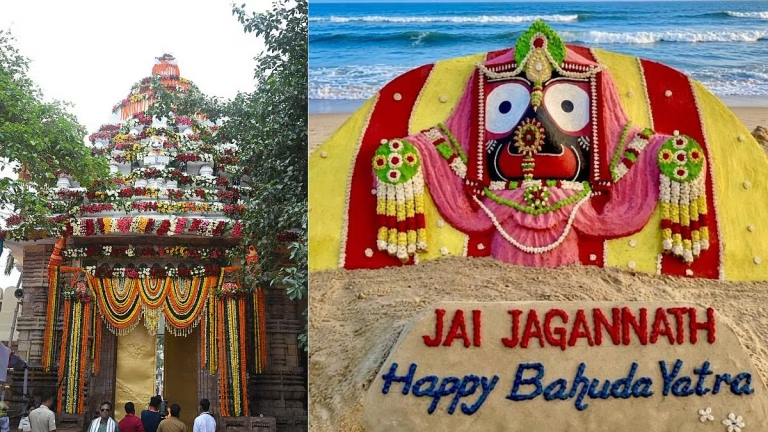
Bahuda Yatra, also called the Return Rath Yatra or Ulto Rath, marks the homecoming of Lord Jagannatha along with his siblings, Lord Balabhadra and Devi Subhadra, from the Gundicha Temple back to the Jagannath Temple in Puri, Odisha. It is one of the most significant moments of the annual Rath Yatra festival, drawing devotion from lakhs of devotees across the country.
What Does Bahuda Yatra Mean?
The word “Bahuda” translates to “return” in Odia. After spending several days at the Gundicha Temple — believed to be the home of Lord Jagannatha’s aunt — the three deities set off on their return journey aboard their grand wooden chariots. As with the main Rath Yatra, devotees pull the chariots through the streets of Puri, chanting prayers and singing devotional songs along the way. This year, the ritual falls on Friday, July 24, 2026, with the Pahandi procession beginning between 12:00 PM and 1:00 PM, followed by chariot pulling from around 4:00 PM.
A Sweet Stop Along the Way
One of the most cherished rituals of Bahuda Yatra takes place at the Mausi Maa Temple, where Lord Jagannatha is traditionally offered Poda Pitha, a baked rice cake said to be one of his favourite delicacies. The stop holds deep cultural and spiritual meaning and is eagerly anticipated by devotees each year.
Rituals After Returning to the Temple
Once the deities reach the Jagannath Temple, they don’t immediately return to the sanctum. Instead, they remain on their chariots for the Suna Besha ritual, during which they are adorned with elaborate gold ornaments. This is followed by Niladri Bijay, the ceremony marking their final re-entry into the temple. According to tradition, Goddess Lakshmi initially denies Lord Jagannatha entry, symbolising her displeasure at being left behind during the Rath Yatra. The Lord is said to offer her Rasagola as a gesture of appeasement, after which she permits him to enter the temple.