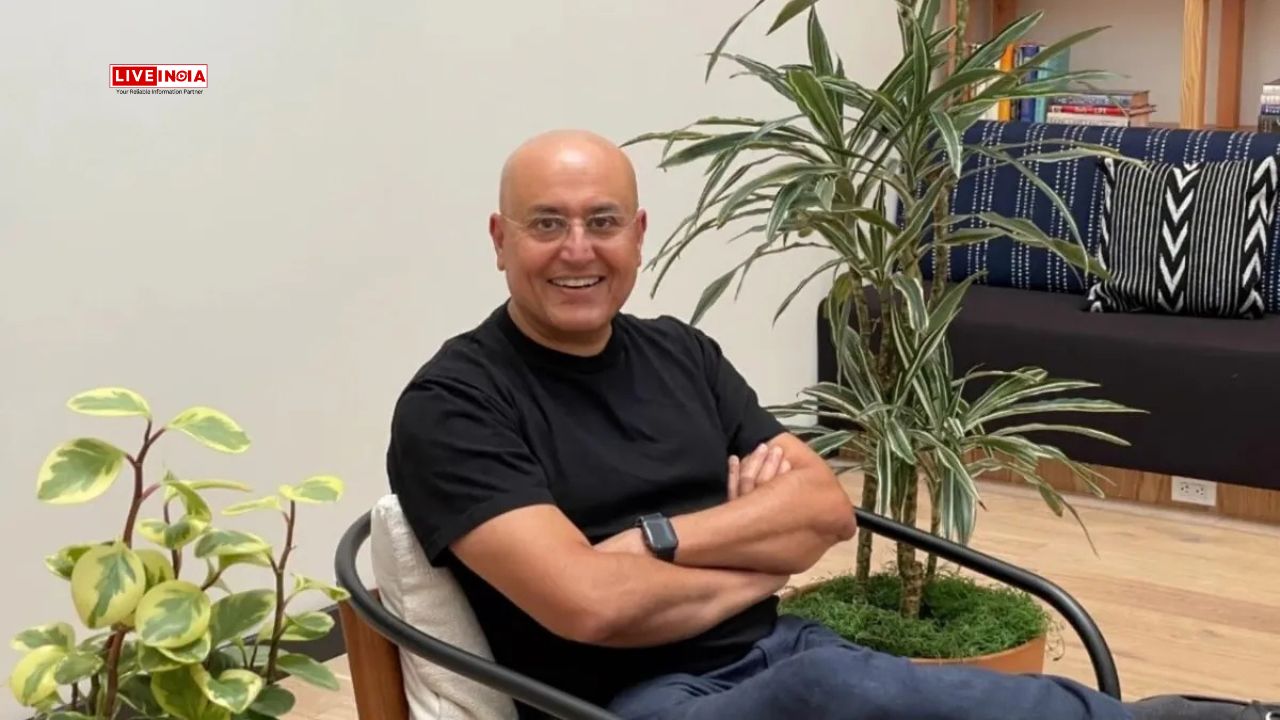
"99% Indian Engineers Just Give Gyaan": Hotmail Co-Founder Sabeer Bhatia Sparks Debate on Innovation Deficit
April 9, 2025: New Delhi:
Hotmail co-founder Sabeer Bhatia has stirred up fresh debate around India’s engineering talent and startup culture, sharply criticizing the country’s focus on management roles over hands-on innovation. Speaking on a podcast, Bhatia said “99% of Indian engineers just give gyaan (unasked advice)” instead of actually building or creating impactful solutions.
Also Read: Modi Govt Launches New Aadhaar App with Face ID & QR Code Verification: “As Easy As UPI”
“Where is the work ethic? Where are the engineers building real products with their own hands?” he asked.
Bhatia lamented how India glorifies business figures who prioritize outsourcing and body-shopping over genuine software development. “We call them software gurus—even though they haven’t written a line of code themselves,” he said, alluding to India’s misplaced admiration.
Bhatia stressed the urgent need for a cultural shift, saying India can never become truly innovative unless it starts valuing those who code, build, and solve problems.
“We need to stop worshipping management titles and start respecting people who write code and think critically.”
He called for a complete overhaul of India’s education system, particularly in engineering, where outdated syllabi still dominate. Comparing India to China, he noted, “China subsidizes education for all. In India, it’s a luxury. Many just earn a degree, get married, and chase dowries. What kind of mindset is that?”
Also Read: US Discontinues Global UGRAD Exchange Programme for Pakistani Students After 15 Years
Despite the harsh critique, Bhatia remains optimistic. He believes technology can bridge the gap, especially if used to teach critical thinking, problem-solving, and real-world application.
“We can build an app that teaches critical thinking. Innovation doesn’t come from textbooks—it comes from solving real problems.”
Reflecting on his own journey, Bhatia said Stanford taught him to think forward, while “IITs are still stuck in the past.” While academic scores got him into Apple, it was real-world learning that helped him build Hotmail, one of the world’s first web-based email platforms.
His statements echo concerns raised by India’s G20 Sherpa Amitabh Kant, who recently emphasized the need to reform technical education in India’s top institutes like IITs to stay globally competitive.
Sabeer Bhatia, Indian engineers, Hotmail co-founder, Indian education system, engineering in India, innovation in India, IIT criticism, tech education reform, software development India, body shopping, startup culture
Foundation says move aimed at keeping focus on event priorities February 19, 2026: Bill Gates…
Sikh man attacked in suspected racial incident near Melbourne February 19, 2026: Months after anti-immigration…
Pakistan all-rounder Shadab Khan has responded strongly to criticism from former cricketers following the team’s…
Badminton star Saina Nehwal has once again addressed the conversation surrounding her 2021 biopic Saina,…
viral invite hints at Feb 26 Udaipur ceremony Rumour utaround actors Vijay Deverakonda and Rashmika…
Gujarat allocates Rs 1,278 crore after winning 2030 Commonwealth Games bid February 18, 2026: The…