
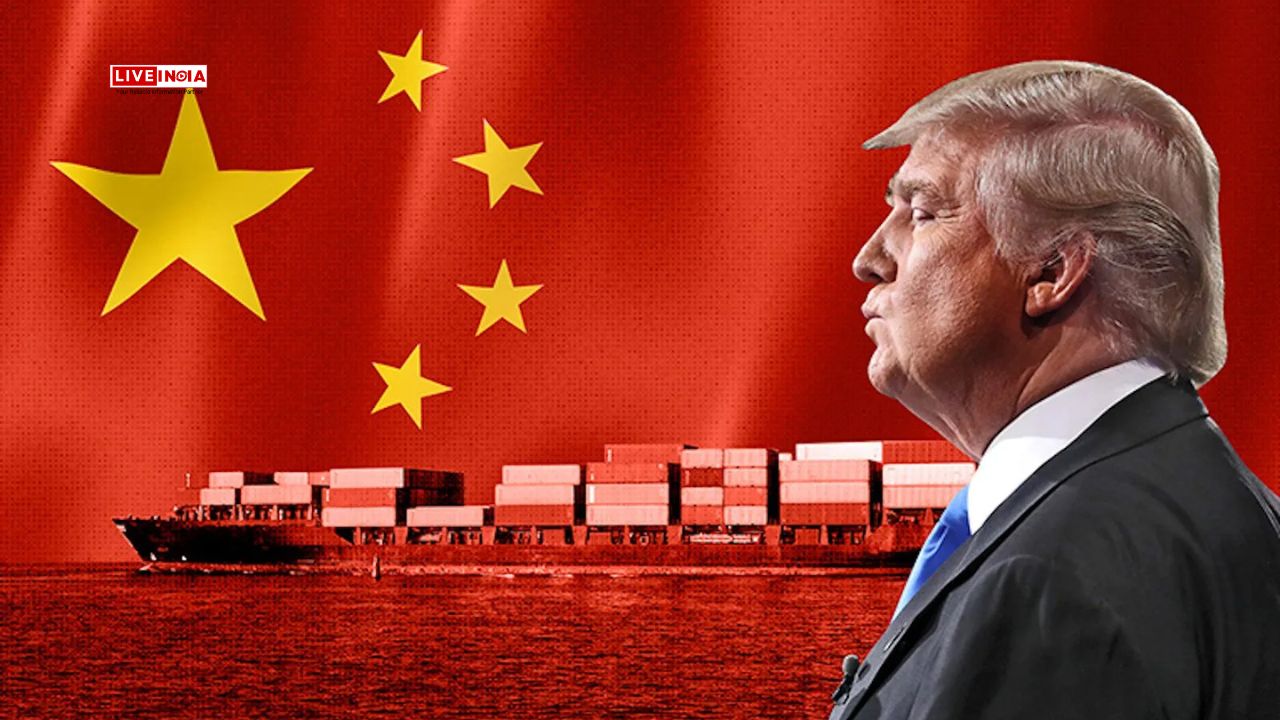


Chinese envoy urges stronger trade ties, invites Indian companies to ‘cross the Himalayas’
April 2, 2025 | As the world braces for Donald Trump’s “Liberation Day” tariffs, China is opening its doors wider to Indian goods. In a strategic move to strengthen regional ties, Beijing’s envoy to New Delhi says China is ready to increase imports from India and boost bilateral cooperation.
Also Read: India-China Ties at 75: New Delhi Stresses ‘Lessons Learnt’ Amid Border Tensions
🗣️ What China Said:
“We are willing to work with the Indian side to strengthen practical cooperation in trade… and import more Indian products well-suited to the Chinese market,”
– Xu Feihong, Chinese Ambassador to India (via Global Times)
He also encouraged Indian companies to invest and seek growth in China:
“We welcome more Indian enterprises to cross the Himalayas and share the dividends of China’s development.”
🔍 Key Highlights:
- China hopes India will create a fair, transparent business climate for Chinese companies.
- This gesture comes just as US President Trump is set to unveil massive reciprocal tariffs targeting all major economies — including India.
- The move is widely seen as China’s economic outreach to India amid strained US-China relations.
🤝 India-China: Signs of Reset
- On April 1, President Xi Jinping congratulated India on 75 years of diplomatic ties, calling for closer collaboration.
- Despite the 2020 Ladakh border standoff, both nations are slowly rebuilding trust:
- Border talks resumed
- Direct flights between India & China set to restart
- Kailash-Mansarovar Yatra plans revived
🇺🇸 Meanwhile, In The US…
- President Donald Trump to announce sweeping “Liberation Day” tariffs today at 4 PM EDT (1:30 AM IST).
- India, often labeled the “tariff king” by Trump, is among the few countries reducing tariffs in response.
- New Delhi and Washington are working on an early-stage trade agreement to defuse tensions.
📉 The stakes are high:
With global markets jittery and US-China trade wars reigniting, India’s diplomacy and trade deals in both directions could play a crucial role in shaping the next phase of global commerce.