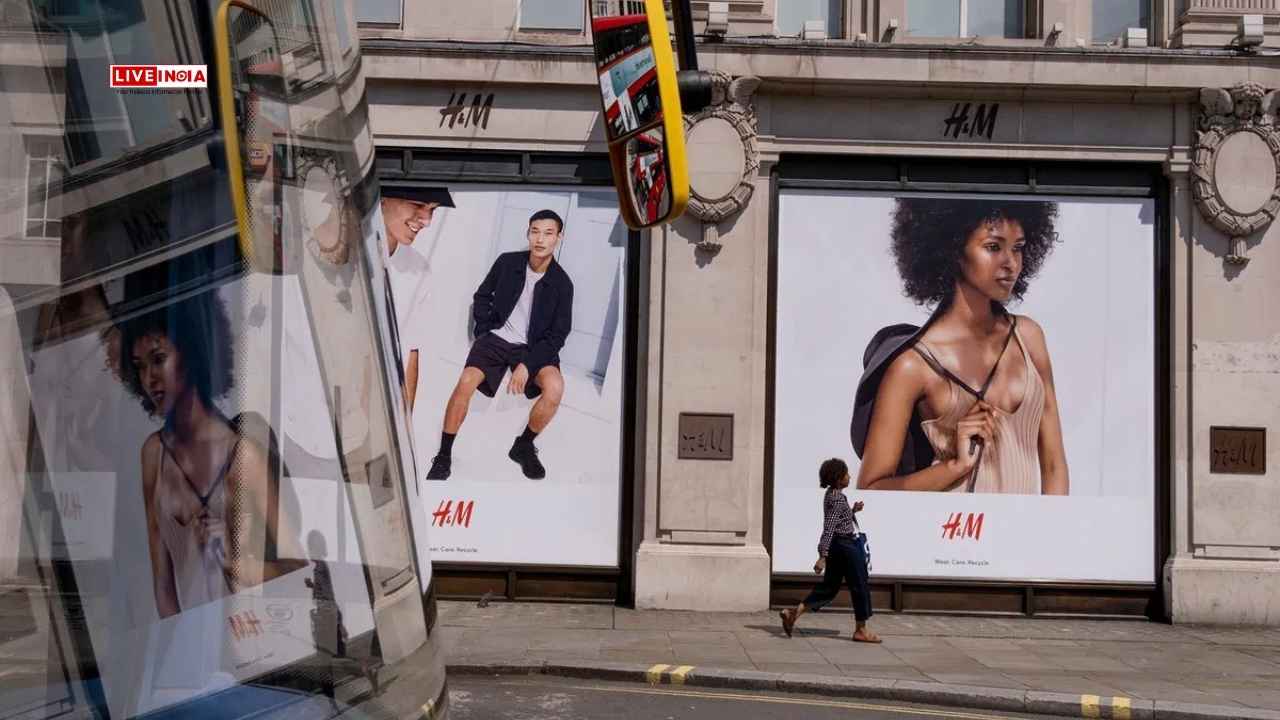
H&M Faces Backlash Over AI Clones of Human Models: “Nothing Feels Real Anymore”
Stockholm, March 30 – Fast fashion retailer H&M has sparked controversy after revealing plans to use AI-generated clones of human models in upcoming marketing campaigns. The Swedish brand announced it will begin with 30 AI doppelgangers, replacing real models in social media posts and advertisements.
According to a BBC report, H&M stated that the models will retain rights to their digital replicas, and would be compensated accordingly for their usage, mirroring current industry practices. These AI versions will carry a watermark, making it clear when generative AI is used, in compliance with Instagram and TikTok guidelines.
“We are curious to explore how to showcase our fashion in new creative ways – and embrace the benefits of new technology – while staying true to our commitment to personal style,” said Jorgen Andersson, H&M’s Chief Creative Officer.
However, the announcement was met with sharp criticism online. Many accused the brand of contributing to the loss of creative jobs and accelerating the trend toward a digital, unauthentic world.
Also Read: Tamannaah Bhatia Stuns In Corset-Style Look At Lakme Fashion Week 2025
“I’m sorry, are any of the models, photographers, agents and consumers going to be happy with this?” asked one user on X.
“The AI ‘dead internet’ theory is basically coming true. Nothing is authentic anymore,” added another.
Some called it a “classic AI move” while others labeled H&M a “garbage corporation” for replacing real creatives with artificial substitutes.
This isn’t the first instance of AI infiltrating the fashion world. In 2023, Levi Strauss & Co tested AI-generated images to “increase diversity,” though it later clarified that live shoots would not be phased out. Mango launched an entirely AI-driven campaign last July for its youth collection, while Hugo Boss has also dabbled in AI marketing.
As AI continues to reshape industries, the move by H&M raises questions about the future of human roles in creative professions—and whether fashion will soon lose its human touch entirely.
H&M, AI models, digital fashion, artificial intelligence, generative AI, marketing, job loss, fashion industry, social media, digital clones, fashion tech
Sunny Deol and Akshaye Khanna face off in a high-stakes courtroom drama of ethics and…
No refund for Vande Bharat and Amrit Bharat tickets cancelled within eight hours of departure…
Services to four destinations suspended till February 28 over regional security concerns February 3, 2026:…
Eight Opposition MPs suspended after repeated disruptions over national security debate February 3, 2026: The…
Makers consider recast after Deepika Padukone’s exit from Kalki 2898 AD 2 February 3, 2026:…
Former India captain calls award a special moment, vows to keep winning matches for the…