
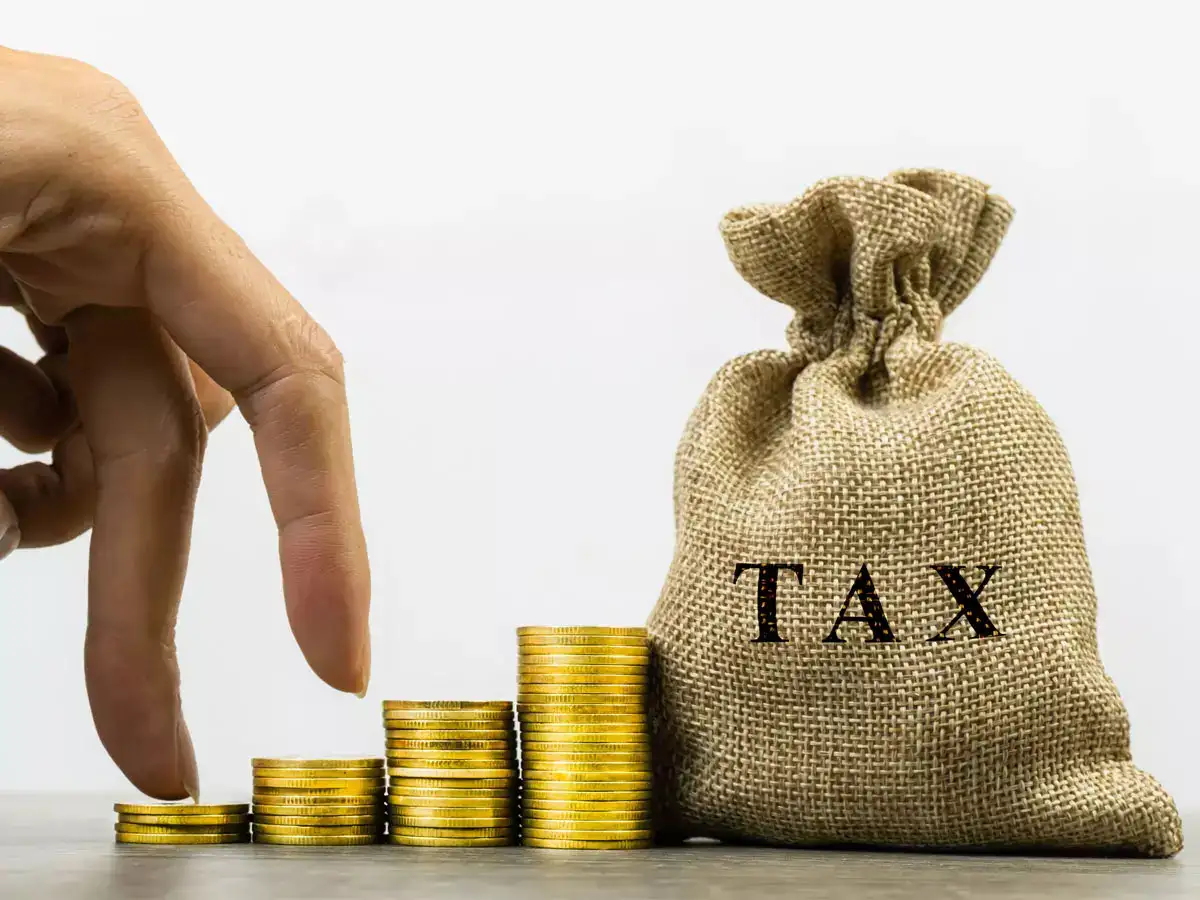


The Income Tax Act 2025 has officially come into effect from April, replacing the decades-old Income Tax Act 1961 with the aim of simplifying tax compliance and modernising the system.
However, the rollout has also sparked confusion among taxpayers over whether to opt for the simplified new tax regime or shift back to the old regime, which now offers enhanced exemptions.
No Immediate Impact on Current ITR Filing
Despite the new law coming into force, taxpayers should note that it will not impact income tax returns being filed this year. Returns for FY26 will continue to be filed under the existing rules.
The new provisions will apply to income earned between April 1, 2026, and March 31, 2027 (FY27), with the first returns under the new Act to be filed in 2027.
New vs Old Tax Regime: What’s Changed?
As announced by Nirmala Sitharaman in Budget 2025, the new tax regime continues to offer a simplified structure with tax-free income up to ₹12 lakh.
For salaried individuals, this limit effectively rises to ₹12.75 lakh after factoring in the standard deduction. However, the trade-off remains — the new regime does not allow common deductions such as HRA, Section 80C investments, and other exemptions.
In contrast, the old tax regime allows a wide range of deductions, making it beneficial for individuals with significant investments and eligible expenses.
Which Tax Regime Should You Choose?
The choice between the two regimes largely depends on an individual’s financial profile.
- If you have substantial deductions—such as insurance premiums, HRA claims, and investments under Section 80C—the old regime may help reduce your taxable income significantly.
- If your deductions are limited and your taxable income is close to ₹12.75 lakh, the new regime may be more beneficial due to its simplicity and higher rebate.
Financial experts generally suggest that the old regime becomes advantageous only if total deductions exceed ₹4 lakh.
What Changes Under the New Income Tax Act?
While tax slabs remain unchanged, the new Act introduces higher exemption limits—primarily under the old regime—making it more appealing.
Key changes include:
- Children’s education allowance increased from ₹100 to ₹3,000 per month per child
- Hostel allowance raised from ₹300 to ₹9,000 per month
- HRA exemption expanded to include cities like Ahmedabad, Bengaluru, Hyderabad, and Pune at 50%, bringing them in line with Delhi and Mumbai
- Meal benefits such as Sodexo cards now tax-free up to ₹200 per meal (earlier ₹50)
- Corporate gifts and vouchers exempt up to ₹15,000 annually
These revisions significantly enhance the attractiveness of the old regime for salaried individuals who can utilise such allowances.
The Bottom Line
While the new tax regime continues to offer simplicity and ease of filing, the revised exemptions under the old regime are making it a strong contender once again.
As the new law begins to shape taxpayer decisions, individuals will need to carefully evaluate their income, deductions, and financial planning strategy before choosing the most tax-efficient option.