
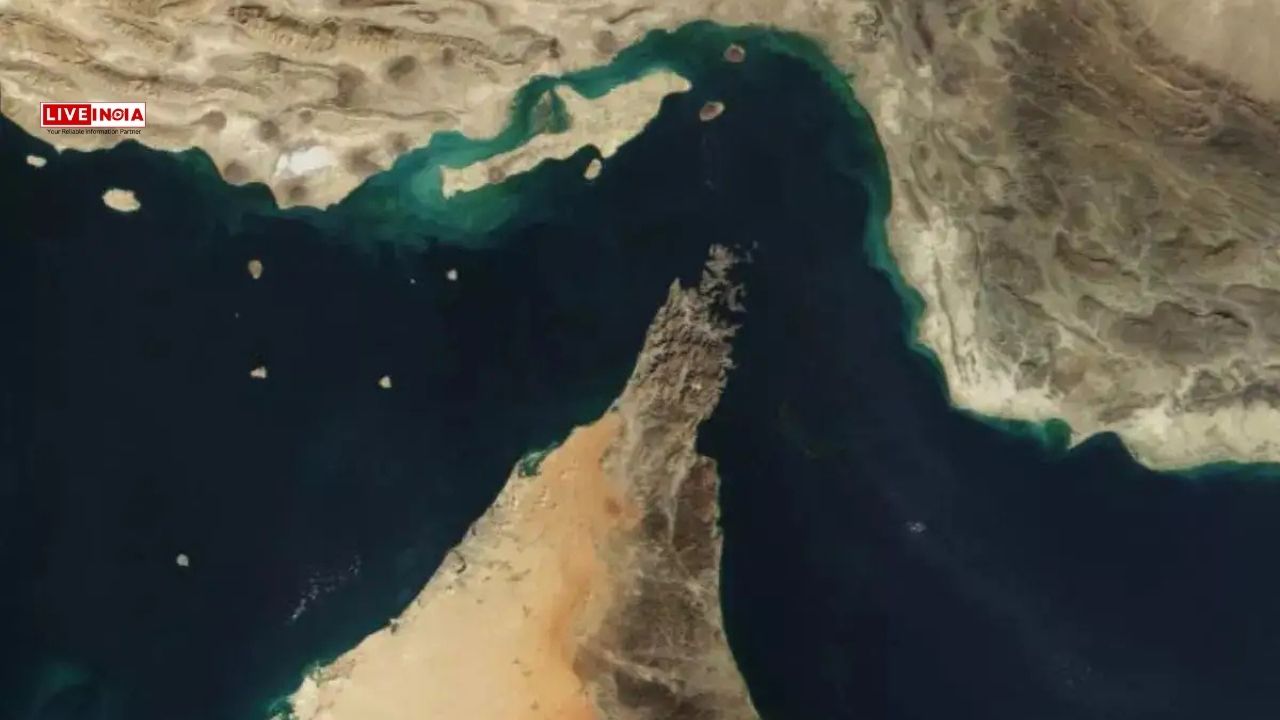


Union Minister Hardeep Singh Puri says India has diversified energy routes; assures fuel supply is stable despite rising global crude fears.
New Delhi, June 22, 2025 – As Iran considers closing the Strait of Hormuz, a vital chokepoint for global oil trade, India’s Union Petroleum Minister Hardeep Singh Puri issued an assurance on Sunday, stating that India’s oil supply remains stable due to diversification efforts in recent years. This comes amid soaring oil prices and fears of supply disruption following US-Israel strikes on Iranian nuclear facilities.
Here are 5 key points from the minister’s statement and government response:
1. Geopolitical Monitoring in Full Swing
Union Minister Hardeep Singh Puri stated that India has been “closely monitoring” the evolving Middle East situation for the past two weeks. He emphasized that under PM Narendra Modi’s leadership, India has significantly diversified its oil sources, reducing reliance on the Hormuz route.
Also Read: Oil Prices Surge, Asian Markets Tumble as Middle East Crisis Threatens Strait of Hormuz
2. Strategic Reserves and Multiple Supply Routes
The minister assured that Indian oil marketing companies (OMCs) currently have “supplies for several weeks”, and energy is still being received from alternate routes. “All necessary steps will be taken to ensure fuel supply stability for citizens,” he posted on X (formerly Twitter).
3. Global Crude Prices May Still Surge
Despite India’s preparedness, government sources told NDTV Profit that oil and gas remain “extremely sensitive sectors”, and even short-term disruptions in the Strait of Hormuz could significantly push up crude oil prices globally. India may not face immediate shortages, but economic exposure is real.
4. Hope for Short-Lived Disruption
Sources in the Petroleum Ministry expressed cautious optimism, suggesting that the crisis may “return to normalcy soon”, and that the closure may not last long. India has increasingly relied on Russian crude imports, but benefits from that depend on ongoing discounts and price trends.
Also Read: “Chanda Kochhar Had Once Proposed that ICICI, HDFC Bank…..”Reveals Deepak Parekh
5. Possible Excise Duty Review if Oil Prices Spike
The government is considering a review of excise duties on fuel if global crude prices breach the $105 per barrel mark, sources said. Such a move would aim to cushion consumers from price shocks, even as oil currently hovers around $79–$80 per barrel.
Conclusion:
India appears to be in a relatively strong position to weather the immediate fallout of Iran’s possible move to close the Strait of Hormuz. However, with global markets on edge and oil prices already climbing, policymakers remain on alert to adjust fiscal levers like excise duties if the crisis deepens.
Tags:
India oil supply, Strait of Hormuz, Iran-US conflict, Hardeep Singh Puri, Middle East crisis, global crude prices, energy security, excise duty fuel, oil marketing companies, petroleum ministry