
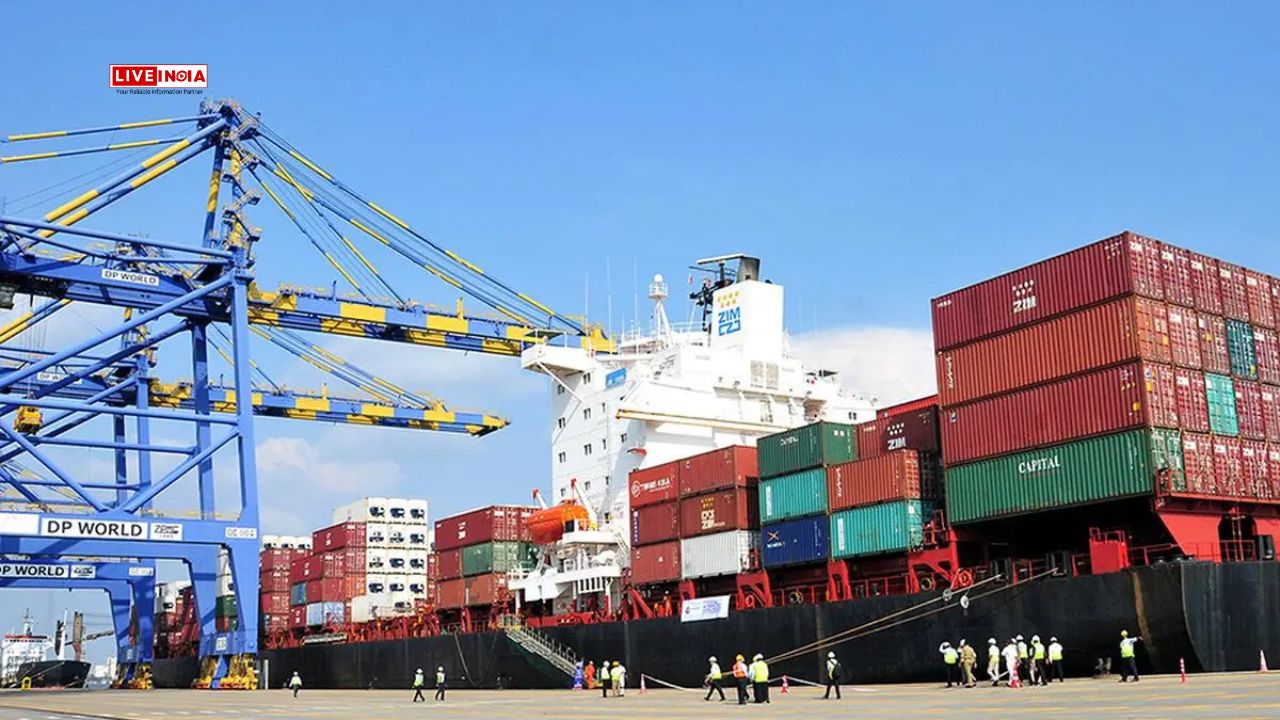


Decision seen as a win for Indian exporters, especially in apparel and footwear, as Delhi air cargo congestion and freight rates sparked calls to withdraw Bangladesh’s routing privileges.
April 9, 2025: New Delhi:
India has officially ended the trans-shipment facility that allowed Bangladesh to export goods to third countries via Indian land customs stations and ports, citing pressure from Indian exporters and rising logistical concerns. The move, which took effect immediately on April 8, comes amid global trade tensions triggered by new US tariffs on countries including India and Bangladesh.
Also Read: Gold Prices Surge Amid Recession Fears: Should You Buy MCX Gold Now?
The facility, originally granted in June 2020, allowed Bangladesh to transport export cargo to destinations such as Nepal, Bhutan, and Myanmar through Indian infrastructure. It was seen as a goodwill gesture and a step toward regional trade cooperation. However, Indian exporters — particularly from the apparel, footwear, and gems & jewellery sectors — complained of air freight congestion, rising costs, and limited space at the Delhi air cargo complex.
Also Read: EU Strikes Back: Tariffs on €21 Billion Worth of US Goods Amid Global Trade War
“Now we will have more air capacity for our cargo,” said Ajay Sahai, Director General of the Federation of Indian Export Organisations (FIEO), adding that the removal of the facility will make Indian exports more competitive.
Also Read: US Urges China to Return to Negotiation Table After 84% Tariff Retaliation
The Apparel Export Promotion Council (AEPC) had earlier appealed to the government to revoke the facility. AEPC Chairman Sudhir Sekhri noted that 20–30 Bangladesh trucks arrived daily in Delhi, worsening congestion and delaying Indian exports.
“This move will rationalize freight rates, reduce transport costs, and ensure faster movement of Indian goods,” said Mithileshwar Thakur, Secretary General, AEPC.
However, trade experts like Ajay Srivastava, founder of the Global Trade Research Initiative (GTRI), warned of negative fallout for Bangladesh. “This decision disrupts Bangladesh’s reliance on Indian transit for smoother trade with third countries. Exporters may now face delays, cost hikes, and logistical uncertainty,” he said.
The impact may also extend to Nepal and Bhutan, which benefited from trade routes between India and Bangladesh. Srivastava hinted that Bangladesh’s strategic interests near the Siliguri Corridor (Chicken’s Neck) with Chinese collaboration might have influenced India’s decision.
Although India has offered zero-tariff access to most Bangladeshi goods for two decades (excluding alcohol and cigarettes), bilateral ties have cooled recently. Relations deteriorated following the interim Bangladeshi government’s failure to control attacks on minority communities, particularly Hindus.
India-Bangladesh trade stood at $12.9 billion in FY 2023–24, and the end of the trans-shipment facility may reshape regional logistics dynamics in the months ahead.
🏷️ Tags:
India Bangladesh trade, transshipment facility ends, Indian exporters, Delhi air cargo congestion, AEPC, FIEO, Bangladesh exports, regional trade tensions, US tariffs, China Bangladesh ties, Chicken’s Neck, South Asia logistics, Nepal Bhutan trade, apparel exports India, India Bangladesh relations