
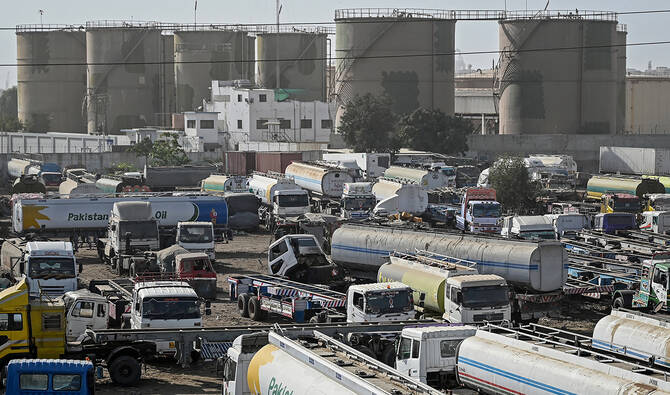


Pakistan is facing a growing energy crisis as its petroleum reserves drop to critically low levels due to ongoing disruptions linked to tensions in the Middle East.
Officials informed the Senate Standing Committee on Petroleum that the country currently has limited fuel availability. Crude oil reserves are sufficient for only 11 days, while LPG stocks may last just 9 days. Jet fuel reserves stand at 14 days, diesel at 21 days, and petrol at 27 days, raising serious concerns about energy security.
Nearly 70 percent of Pakistan’s oil imports come from the Middle East, making it highly vulnerable to regional instability. Supply chains have been significantly impacted, particularly along the Red Sea, where shipping times have increased from the usual 4–5 days to nearly 12 days.
The situation has been further aggravated by disruptions in liquefied natural gas supplies. Out of eight LNG cargoes expected in March, only two have arrived, and upcoming shipments may also face delays. Officials have warned that the country could face a severe gas shortage after mid-April if the situation does not improve.
To address the crisis, Pakistan is in talks with Iran to secure permission for oil shipments through the Strait of Hormuz. This move could allow additional vessels to transport crude oil and ease supply constraints.
Meanwhile, authorities have initiated emergency measures, including daily monitoring of fuel stocks and prioritising gas supply for domestic consumers over industrial use. The government is also planning a subsidy of ₹23 billion to support motorcycle and rickshaw owners amid rising fuel costs.
Although officials say current reserves may sustain demand through March and mid-April, the situation remains uncertain as global oil prices continue to rise due to geopolitical tensions.