
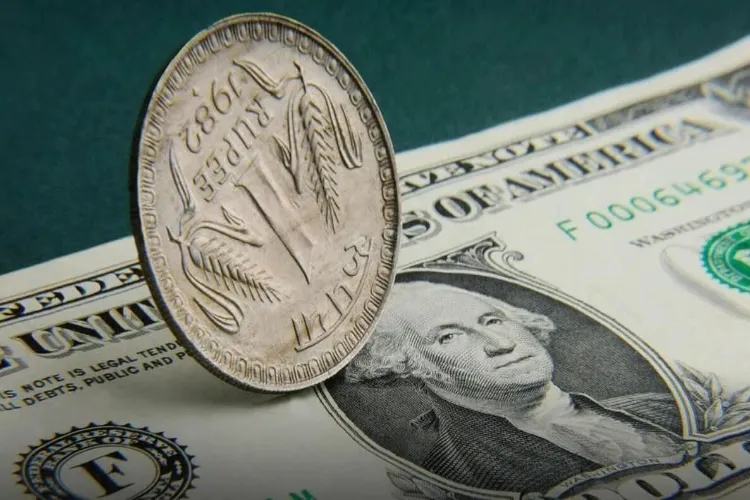


The Indian Rupee has fallen to a historic low of 93.24 against the US Dollar, marking its weakest level ever. The sharp decline comes amid rising global tensions, especially involving Iran and United States, which have pushed crude oil prices higher and increased pressure on emerging market currencies.
Why Is The Rupee Falling?
The primary reason behind the fall is the surge in global oil prices. Brent Crude has climbed close to $119 per barrel, increasing India’s import bill. Since India relies heavily on imported oil, higher prices lead to increased demand for dollars, weakening the rupee.
What Gets Cheaper?
A weaker rupee has some advantages:
- Exports Boost: Indian goods and services become cheaper globally, benefiting sectors like IT, pharmaceuticals, and agriculture.
- Remittances Gain Value: Money sent from abroad converts into more rupees.
- Tourism Boost: India becomes a more affordable destination for foreign tourists.
What Gets Costlier?
However, the downsides are significant:
- Fuel Prices Rise: Imports like crude oil, LPG, and LNG become more expensive.
- Electronics & Gadgets: Mobile phones, laptops, and other imported goods may see price hikes.
- Gold & Luxury Items: Prices of gold, silver, and imported cars are likely to increase.
- Education Abroad: Studying overseas becomes more expensive due to higher dollar costs.
Economic Impact Ahead
Experts warn the rupee could weaken further, possibly nearing 95 per dollar if global tensions persist. A weaker currency can lead to higher inflation, increased borrowing costs, and slower economic growth in India.
Overall, while exporters may benefit, the broader economy could face challenges as rising import costs ripple across multiple sectors.