


Potential $1.75 Trillion Valuation Could Make It the Largest IPO in History
SpaceX has confidentially filed for an initial public offering (IPO), setting the stage for what could become the largest stock market debut ever. The company, led by billionaire Elon Musk, is reportedly targeting a valuation exceeding $1.75 trillion, signaling a major shift in how investors view the space industry.
According to reports, the listing is likely to take place in June 2026, with the company aiming to debut on the tech-heavy Nasdaq. If successful, the IPO could surpass the $29.4 billion raised by Saudi Aramco in 2019, currently the largest in history.
The move follows a strategic merger between SpaceX and Musk’s artificial intelligence venture, xAI. The combined deal valued SpaceX at around $1 trillion and xAI at $250 billion, further strengthening investor interest in Musk’s expanding business ecosystem.
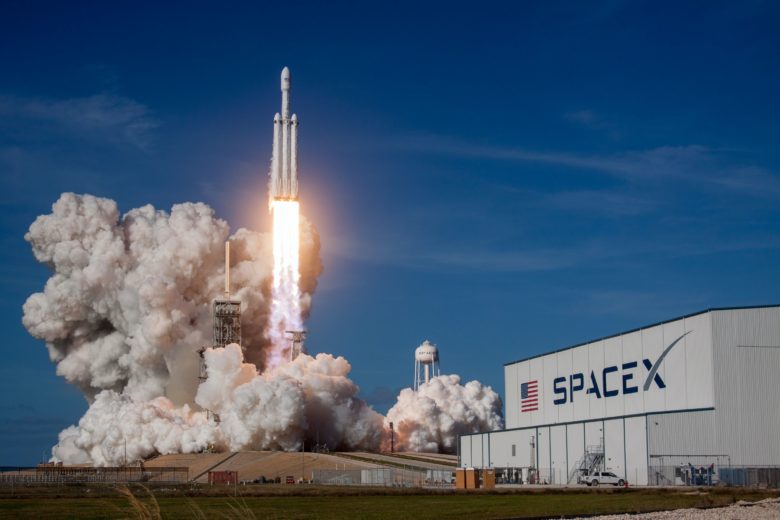
SpaceX’s strong financial performance has also boosted confidence. The company reportedly generated around $8 billion in profit on revenue of approximately $15.5 billion last year. Its success is largely driven by reusable rocket systems like Falcon 9 and Falcon Heavy, along with its satellite internet service, Starlink, which provides steady recurring revenue.
However, the IPO is also expected to bring increased scrutiny to Musk’s leadership, given his involvement in multiple high-profile ventures such as Tesla and Neuralink. Analysts have raised concerns about “key man risk,” referring to the heavy reliance on Musk’s vision and decision-making.
To maintain control, Musk is likely to implement a dual-class share structure, allowing him to retain decision-making power even after going public. Meanwhile, SpaceX is also seeking regulatory approval to launch up to one million satellites, potentially transforming space into a hub for data processing and communication infrastructure.
The IPO comes at a time when space exploration is increasingly seen as both a commercial opportunity and a matter of national security, with agencies like NASA relying more on private players for missions and infrastructure.