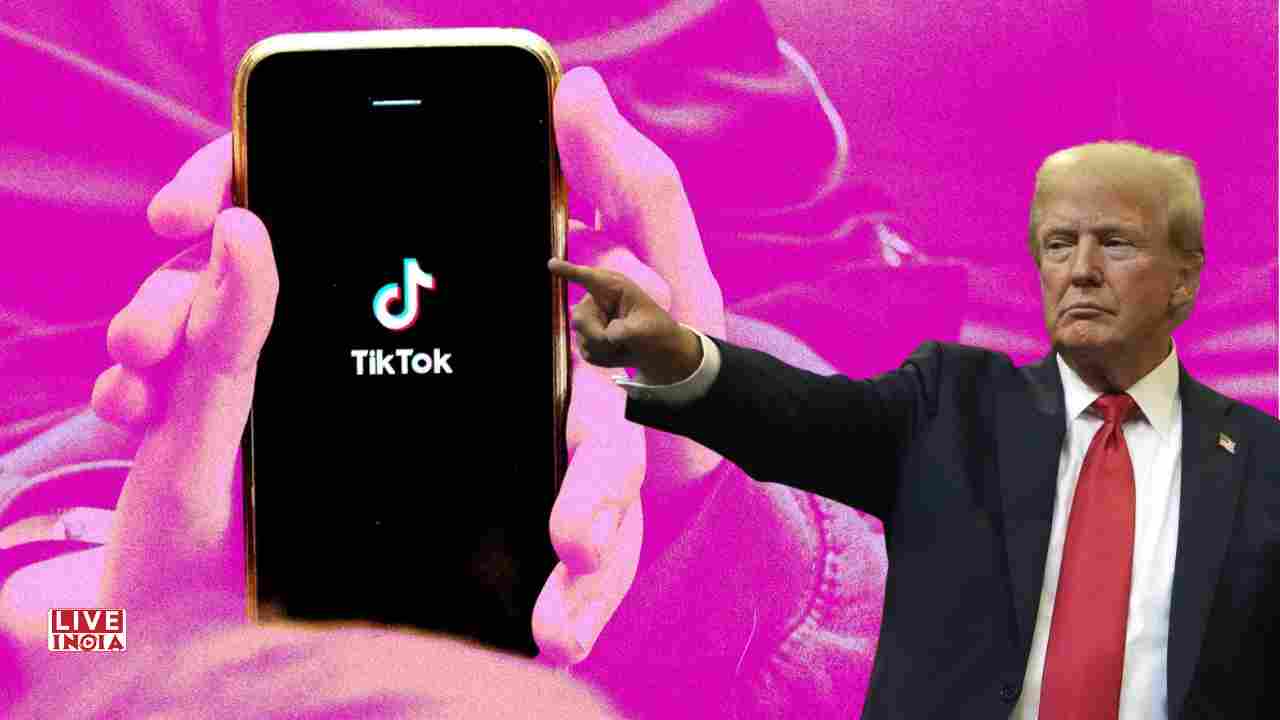
Trump Considers Fourth Extension on TikTok Ban Deadline Amid Rising US-China Tensions
TikTok, with over 170 million users in the United States, has until September 17 to restructure its ownership or face a nationwide ban. The deadline, already pushed back three times — in January, April, and June — has become a flashpoint in the broader US-China tech and trade tensions.
Speaking at an event organized by the White House Historical Association, Trump acknowledged the complexity of negotiations, saying:
“In the meantime, until the complexity of things works out, we just extend a little bit longer. But we have buyers.”
The president also admitted he has not yet spoken to Chinese President Xi Jinping directly about the issue, but left the door open for future discussions.
The TikTok saga began when Congress, with bipartisan support, approved a law mandating ByteDance to sell its controlling stake to American buyers, citing risks that Beijing could exploit the app for data surveillance or propaganda.
The first deadline lapsed on January 20, Trump’s first day in office, briefly causing the app to go dark in the US before an executive order revived it. A second extension came in April, when a near-final deal collapsed after China withdrew support following new US tariffs. The third delay was granted in June as talks again failed to secure approval.
Each extension has only deepened debate in Washington over the limits of presidential authority. Legal experts quoted by The New York Times described Trump’s repeated interventions as potentially “alarming” expansions of executive power.
While Trump claimed there are “substantial American buyers” lined up, he did not specify which companies are involved. Reports suggest private equity and venture capital firms have expressed interest, though China’s approval remains a major hurdle.
Commerce Secretary Howard Lutnick recently warned that TikTok could “go dark” in the United States if Beijing blocks the sale. This hardline stance stands in contrast to Trump’s willingness to grant TikTok more breathing space.
TikTok, for its part, has consistently denied posing a national security risk. The company insists it has built safeguards to prevent foreign interference and has lobbied against what it views as politically motivated actions.
Interestingly, even as the legal drama plays out, the White House itself joined TikTok on August 20, sparking debate about whether Washington is truly ready to part ways with the app that dominates American youth culture.
With just weeks left before the September 17 deadline, uncertainty hangs over TikTok’s future. Another extension could buy time for negotiations, but it also risks signaling indecision at a moment when US-China relations remain fraught.
For millions of American users and creators, the stakes are personal — the question is whether TikTok will survive in the world’s largest social media market, or whether geopolitics will finally force its hand.
Inquiry ordered as leaders react to Mumbai construction mishap February 14, 2026: One person was…
Exiled leader returns to power as Bangladesh enters new political phase February 14, 2026: Tarique…
Southern superstar Nayanthara and filmmaker Vignesh Shivan marked their fourth Valentine's Day as a married…
India’s energy landscape is shifting as the country significantly increased its petroleum imports from the…
Strategic island nation at heart of Indian Ocean geopolitics February 14, 2026: India’s growing engagement…
State aims to build public AI utility, position itself as India’s compute backbone February 14,…