

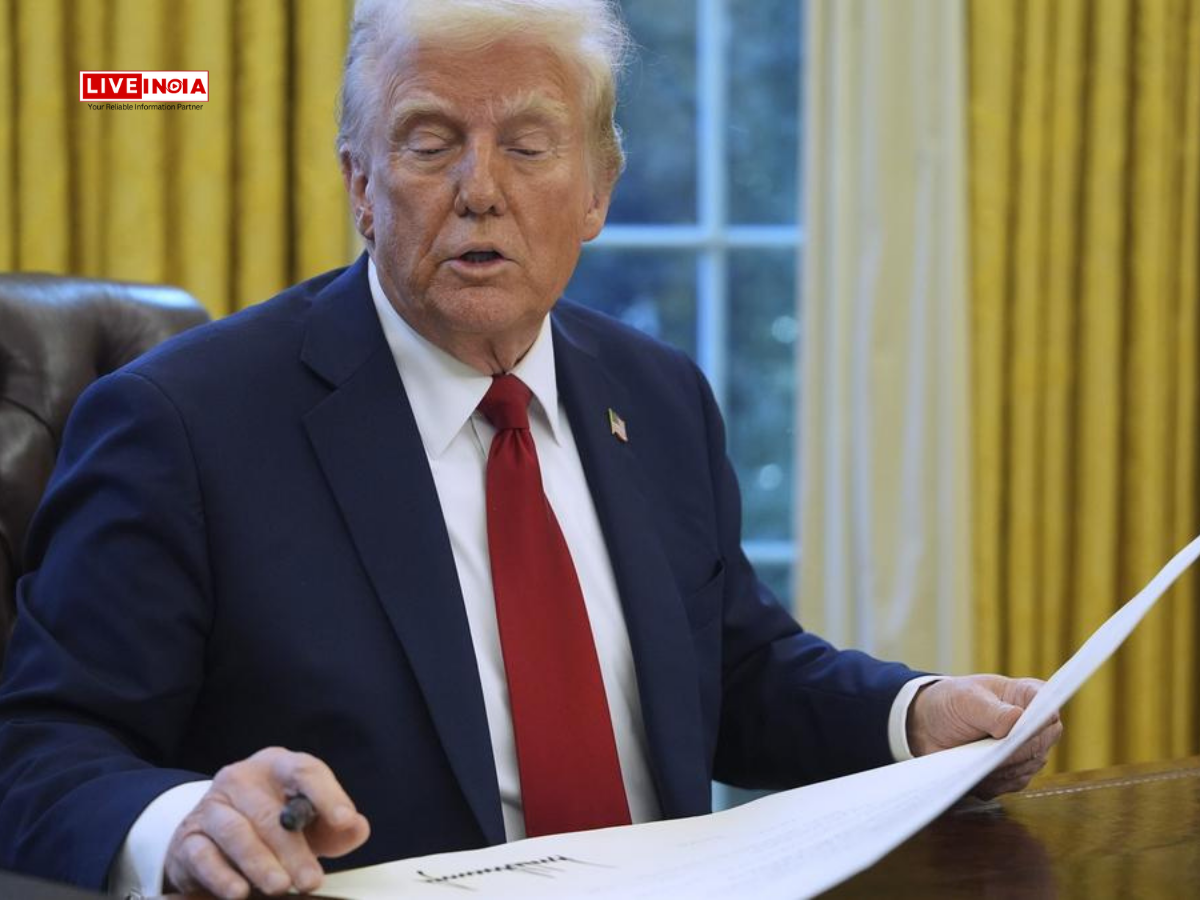


The White House confirms sweeping tariffs on the U.S.’s largest trading partners, citing illegal migration and drug trade concerns.
February 1, 2025: Washington: President Donald Trump is set to implement tariffs on Canada, Mexico, and China this Saturday, February 1, escalating trade tensions with the U.S.’s key trading partners. The announced measures include a 25% duty on imports from Canada and Mexico and a 10% tariff on Chinese goods, with the White House citing failures to address illegal migration and fentanyl trafficking as reasons for the move.
Also Read: Trump Threatens 100% Tariffs on BRICS Over Dollar Replacement Moves
Key Highlights of the Tariff Plan:
- Targeted Countries and Rationale:
- Canada and Mexico: Accused of failing to curb illegal immigration and fentanyl inflow into the U.S.
- China: Blamed for its role in the fentanyl trade and broader trade imbalances.
- Future Tariff Proposals:
- Trump hinted at additional tariffs on oil, gas, steel, aluminum, and chips, with potential measures against the European Union.
- February 18 is tentatively marked for oil and gas duties.
- Immediate Impacts:
- Industries Affected: Steel, aluminum, energy, and consumer goods.
- Economic Fallout: Analysts warn of disruptions to supply chains, rising gasoline prices, and economic contractions in Canada and Mexico.
International Reactions:
Also Read: Trump’s Executive Order Halts US Aid to Pakistan, Major Projects Stalled
- Canada’s Response: Prime Minister Justin Trudeau has vowed an “immediate response” to the tariffs.
- Mexico’s Stance: President Claudia Sheinbaum has indicated close diplomatic engagement to mitigate impacts.
- China’s Warning: Beijing dismissed fentanyl allegations and vowed to defend its national interests, cautioning against a “trade war without winners.”
Economic Implications:
- Recession Risks: Economists warn that tariffs could tip Canada and Mexico into recessions while risking a shallow downturn in the U.S.
- Consumer Impact: A study by the Tax Foundation estimates the tariffs could cost U.S. households an average of $830 annually.
What’s Next?
Trump’s tariff strategy appears to be a bargaining tactic aimed at renegotiating trade deals like the USMCA and striking a broader deal with China before the end of his term. While these tariffs aim to address domestic concerns, they risk triggering significant economic and geopolitical consequences.
Tags:
Trump Tariffs, US Trade Wars, Canada Tariff Impact, Mexico-US Trade, China-US Trade Disputes, Fentanyl Crisis, Global Supply Chain Disruption, USMCA Trade Deal