Warren Buffett’s Best and Worst Investments: 60 Years of Wins, Regrets, and Missed Fortunes
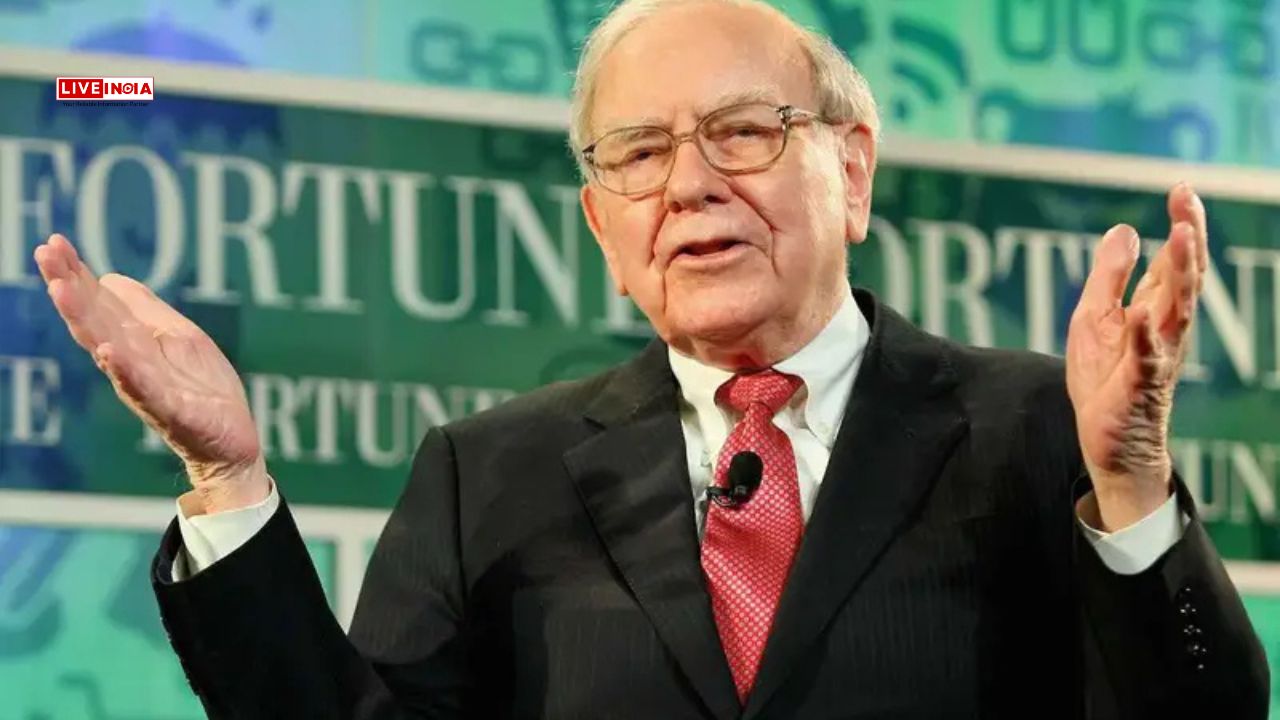
May 4, 2025: Omaha, Nebraska — Billionaire investor Warren Buffett announced Saturday that he plans to step down as CEO of Berkshire Hathaway by the end of 2025, surprising many who expected the 94-year-old to remain at the helm indefinitely. Buffett’s legendary career, which began when he took over a struggling textile company in 1965, has transformed Berkshire Hathaway into a $900 billion conglomerate and made him a Wall Street icon.
Here’s a look at some of Buffett’s most brilliant investments—and a few decisions he’d rather forget.
Buffett’s 1967 acquisition of National Indemnity laid the foundation for Berkshire’s expansion. By reinvesting the $173 billion in “float” from insurance premiums, he built a powerhouse that now includes Geico, General Re, and others.
Also Read: India Bans Pakistani Ships from Ports After Pahalgam Attack, Tightens Maritime Security
Investing in blue-chip giants when they were out of favor, Buffett scooped up stocks at bargain prices. His long-held positions have since delivered over $100 billion in value—not including dividends.
Though initially skeptical of tech, Buffett began buying Apple in 2016, treating it as a consumer brand. His $31B investment ballooned to over $174B, cementing Apple as Berkshire’s single biggest equity stake.
Buffett calls his 1972 See’s Candies purchase a “turning point.” Acquired for $25 million, it has returned over $1.65 billion in pretax earnings by 2011, exemplifying the idea of paying fair prices for great businesses.
Buffett’s 2008 $232M bet on the Chinese EV maker—urged by Charlie Munger—soared to $9B+ at its peak. Berkshire still holds $1.8B worth of BYD shares.
Acquired in 2000 for $2.1B, this utility business brought in $3.7B in profits in 2024 alone, thanks to investments in companies like PacifiCorp and NV Energy.
Ironically, Buffett’s worst investment may be the company he now leads. The original textile operations bled money before being shut in 1985. Still, the brand name eventually housed one of the greatest investing legacies ever.
In 1993, Buffett paid $433 million in Berkshire stock for Dexter—now a cautionary tale. The company failed, and he considers it his biggest blunder, having essentially “given away” 1.6% of Berkshire.
Buffett admits that not buying Amazon, Google, and Microsoft early were costly misses. A failed move to acquire Walmart stock is another painful what-if; 100M shares would be worth $10B today.
Pre-COVID jitters and scandals at Wells Fargo prompted Buffett to sell shares in major banks, including JP Morgan and Wells Fargo. Both have since more than doubled, costing Berkshire billions in potential gains.
Though it faded into irrelevance, Blue Chip’s float helped fund acquisitions of winners like See’s, Wesco, and Precision Castparts. A loss turned into leverage—typical of Buffett’s long game.
As Buffett prepares to hand over the reins to Greg Abel, his legacy remains firmly intact. Through wins and stumbles, the “Oracle of Omaha” built an empire through patience, discipline, and unmatched foresight.
Tags: Warren Buffett, Berkshire Hathaway, Buffett investments, stock market, investing wisdom, See’s Candies, Apple stock, BYD, Berkshire CEO retirement, Buffett best bets, Buffett blunders, financial legacy, Wall Street icons, Greg Abel
In a deeply moving interview on the On Purpose podcast on February 5, 2026, singer…
On February 5, 2026, Prime Minister Narendra Modi addressed the Rajya Sabha to reply to…
In a shocking development for fans of the newly launched reality show The 50, veteran…
In a viral Instagram video shared on February 4, 2026, comedian Samay Raina delivered a…
New details have emerged in the investigation of the firing incident outside filmmaker Rohit Shetty’s…
Singer Talwiinder, the enigmatic masked voice behind hits like Khayaal, has finally addressed the whirlwind…