
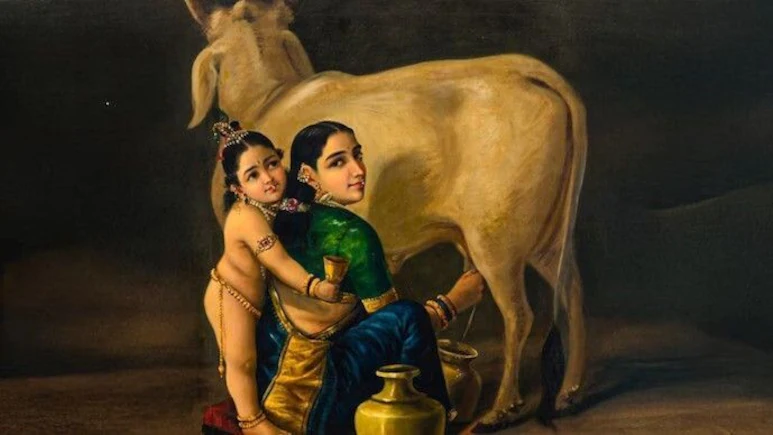


A recent high-profile purchase by billionaire Cyrus Poonawalla of a masterpiece by Raja Ravi Varma for Rs 167 crore has once again spotlighted a growing trend—art as a serious financial asset. Beyond aesthetics and prestige, wealth managers increasingly view fine art as a strategic investment tool for high-net-worth individuals.
Art as a Financial Instrument
For the ultra-rich, art is no longer just about decoration or cultural appreciation. It serves multiple financial purposes, including:
- Portfolio diversification
- Tax efficiency
- Asset protection
- Estate planning

Unlike traditional assets, artworks can quietly store and transfer wealth across borders without physical movement.
The Role of Freeports
A key aspect of art investment lies in storage. Many collectors house valuable artworks in “freeports”—high-security, tax-free storage facilities in global hubs like Geneva, Singapore, and Luxembourg.
These facilities allow artworks to:
- Be traded multiple times without leaving storage
- Avoid import duties
- Defer or minimise tax liabilities
This makes art a unique asset where ownership—and value—can change hands seamlessly without triggering immediate taxation.
Favourable Tax Treatment in India
Under Indian tax laws, artworks such as paintings and sculptures are classified as capital assets. This classification offers distinct advantages:
- Long-term capital gains (after 24 months) taxed at 12.5%
- Lower tax burden compared to many short-term financial instruments
- Tax-free gifting to direct heirs, enabling smooth wealth transfer
- Potential tax deductions when donated to eligible institutions
These benefits make art particularly attractive for long-term wealth preservation.
A Stable, Non-Correlated Asset
Unlike stocks or bonds, the value of art is not directly tied to market fluctuations, interest rates, or economic cycles. Instead, it depends on:
- Rarity and authenticity
- Provenance (ownership history)
- Reputation of the artist
This makes art a relatively stable and “uncorrelated” asset, ideal for diversifying investment portfolios. However, it is also illiquid, meaning selling can take time—often months or even years.
Cultural Value Meets Financial Gain
Art offers a dual advantage rarely found in other investments:
- Emotional and cultural value: It reflects personal taste, identity, and legacy
- Financial appreciation: Over time, artworks can significantly increase in value
For many wealthy families, art becomes a legacy asset—something that carries both financial worth and cultural significance across generations.
Growth of the Indian Art Market
India’s art market is witnessing increasing global interest, especially in modern and contemporary works. Experts believe the segment is still underexposed compared to Western markets, leaving room for long-term appreciation.
With improved transparency, expert advisory services, and authentication processes, art investment is becoming more structured and accessible for serious collectors.
More Than Just an Investment
For many ultra-rich buyers, art also serves as a subtle expression of wealth and personality. It allows individuals to showcase status and taste without overt displays of financial power.
Conclusion
Art investment sits at the intersection of finance, culture, and legacy. With tax advantages, long-term appreciation potential, and global flexibility, multi-crore paintings are increasingly being seen not just as masterpieces—but as smart, strategic assets.