

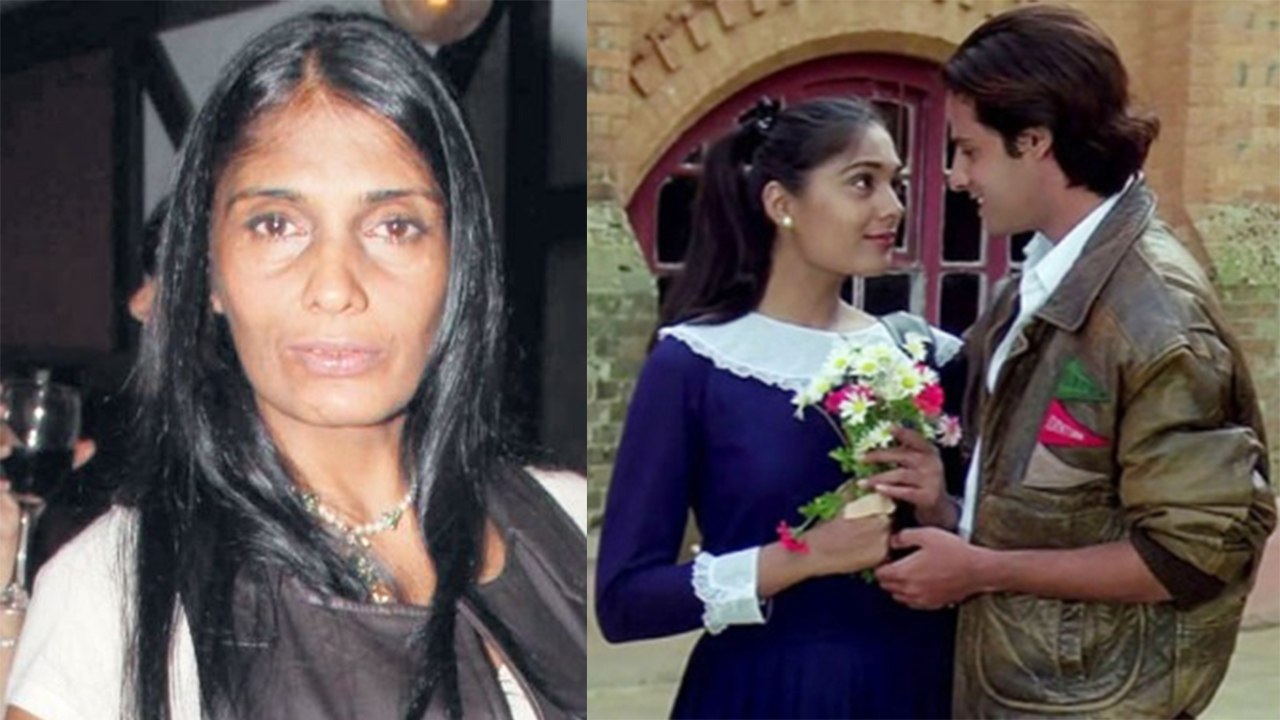


May 18, 2025: Actress Anu Aggarwal, who shot to fame with Mahesh Bhatt’s Aashiqui in 1990, recently revealed that she never received her full payment for the blockbuster film, despite its phenomenal success and cultural impact. In a candid interview, Aggarwal claimed she was only paid 60% of her agreed fees, and the remaining 40% remains unpaid to this day.
“I haven’t gotten the full fees for Aashiqui till today. They still owe me the 40%,” said Aggarwal, referring to the film’s producers — T-Series (founded by the late Gulshan Kumar) and Vishesh Films, run by Mahesh and Mukesh Bhatt.

Despite the unpaid dues, the actress maintained a forgiving stance.
“It’s okay, I earned a lot. I earned much more in modelling. I became a brand ambassador… Theek hai yaar. Ye meri gift hai unko (It’s okay. This is my gift to them).”
Bollywood’s Ties with the Underworld
Aggarwal opened up about the dark realities of the film industry in the 1990s, describing it as a “dirty business” controlled by underworld figures like Dawood Ibrahim.
“At that time, it was all under the table. It was ruled by people like Dawood Ibrahim. All the money that came into the industry came from the underworld,” she claimed, reflecting on how different the landscape was during her time in the industry.
On Casting Couch and Industry Norms
The actress also addressed the casting couch phenomenon — a topic frequently discussed in relation to Bollywood — and claimed she never personally encountered it, largely due to her professional relationships with directors.
“There was no hanky-panky. There was no casting couch. My agent, two years down the line, was laughing and saying, ‘Anu’s got her own casting couch. When the director comes in, she says lie down.’ It’s just a joke (laughs),” she quipped.
However, Aggarwal acknowledged that the casting couch exists across industries, not just in cinema.
“Where does casting couch not exist? What are you saying? Is there no casting couch in banks and corporate houses? Why are we pretending?”
She concluded by emphasizing the importance of talent and self-worth, regardless of industry challenges.
“At the end of the day, you should make it. It’s not bad. What’s bad is if you don’t use your full potential.”
Anu Aggarwal’s frank reflections paint a telling picture of Bollywood’s complex power dynamics in the 1990s, and her resilience continues to resonate with audiences who remember her as the face of one of Indian cinema’s most iconic romantic films.