
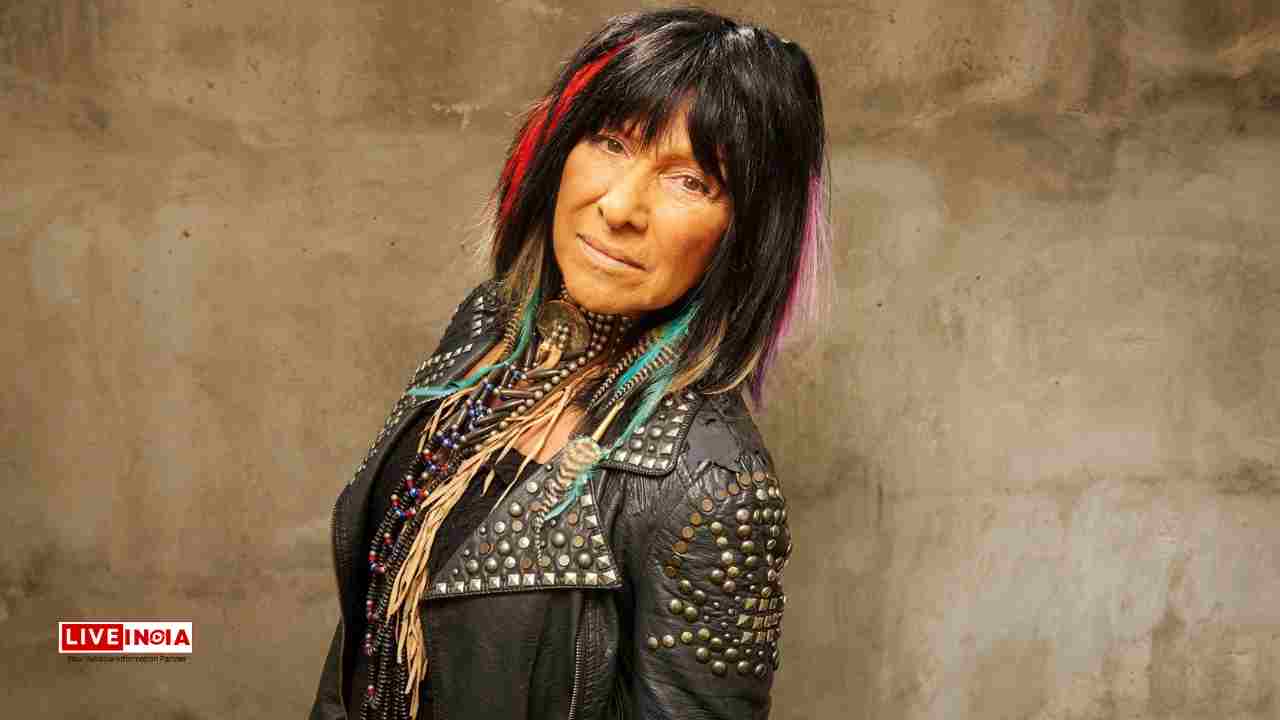


The Juno Awards and Canadian Music Hall of Fame have revoked Sainte-Marie’s honors following revelations about her American citizenship and disputed Indigenous identity.
Toronto, March 8 – In a stunning reversal, legendary singer-songwriter Buffy Sainte-Marie has been stripped of multiple Canadian music honors, including her Juno Awards and Canadian Music Hall of Fame induction, following revelations that she is not a Canadian citizen.
The Canadian Academy of Recording Arts and Sciences (CARAS) announced the decision on Friday, stating that recent findings—including Sainte-Marie’s own admission that she holds U.S. citizenship—render her ineligible for these prestigious accolades.
“Following a thorough review, consultations with the CARAS Indigenous Music Advisory Committee, and in light of recent information, including Ms. Sainte-Marie’s confirmation that she is not Canadian, CARAS will revoke Buffy Sainte-Marie’s Juno Awards and Canadian Music Hall of Fame induction in accordance with its eligibility requirements,” the Juno Awards organizer said in a statement.
This decision follows an investigation by CBC’s The Fifth Estate in 2023, which alleged that Sainte-Marie had misrepresented her Indigenous identity for decades.
The Controversy Unfolds
For years, Sainte-Marie’s official biography stated that she was born in 1941 on Cree land in Saskatchewan, Canada, and later adopted by a white American family under the Sixties Scoop policy—a controversial government initiative that forcibly removed Indigenous children from their families.
However, CBC’s investigation uncovered a birth certificate that contradicted this narrative, stating that Sainte-Marie was born in Stoneham, Massachusetts, to Albert and Winifred Santamaria, who were listed as white parents, not adoptive guardians.
Earlier this week, Sainte-Marie returned her Order of Canada, the country’s highest civilian honor, amid mounting scrutiny over her identity claims.
Impact on Her Legacy
The controversy has shaken the Canadian music industry, where Sainte-Marie has been widely regarded as an Indigenous icon. She won an Academy Award in 1982 for co-writing Up Where We Belong from An Officer and a Gentleman and has long advocated for Indigenous rights through her music.
Following CARAS’ decision, the Polaris Music Prize also announced it would revoke two awards previously given to Sainte-Marie, further compounding the fallout from the scandal.
While Sainte-Marie has not directly responded to the latest revocations, she has maintained that she was adopted as a young adult by a Cree family and that her connection to Indigenous identity remains valid.
With the controversy continuing to unfold, the once-revered artist now faces a reckoning over her legacy, as institutions reassess her role in Canada’s Indigenous and cultural landscape.
Tags: Buffy Sainte-Marie, Juno Awards, Canadian Music Hall of Fame, CARAS, Indigenous Identity, Music Industry, Canada, Order of Canada, The Fifth Estate, Polaris Music Prize, Citizenship Controversy