

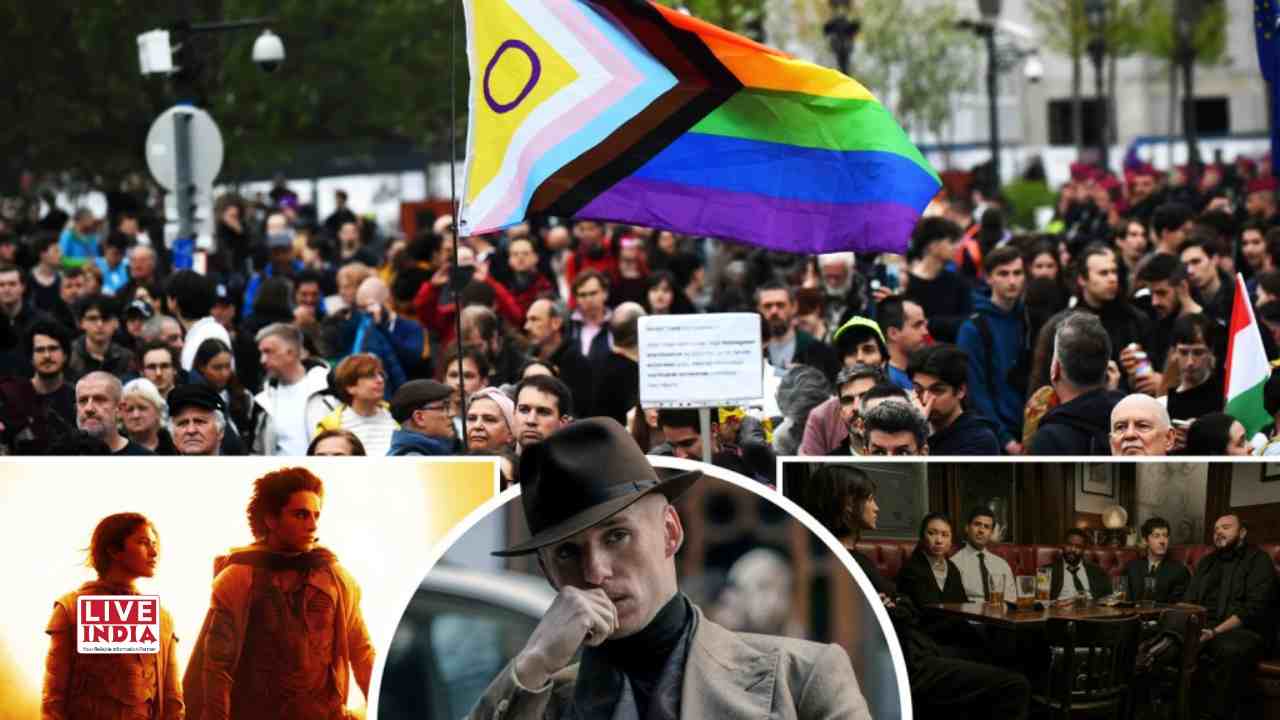


Despite sweeping new legislation banning LGBTQ+ public gatherings in Hungary, studios continue filming blockbusters like Dune: Part Three and 3 Body Problem in the country — raising questions about ethics vs. economics
Hollywood studios are once again grappling with a moral dilemma: whether to continue filming in a country whose policies stand in direct opposition to their stated values. This time, the battleground is Hungary, where a recently passed constitutional amendment banning LGBTQ+ public gatherings — including Budapest Pride — has ignited international outrage.
The legislation, passed overwhelmingly by Hungary’s parliament, adds to a series of anti-LGBTQ measures pushed by Prime Minister Viktor Orbán’s administration. These include bans on same-sex adoption, limits on LGBTQ+ representation for minors, and surveillance measures aimed at LGBTQ+ events and dual citizens.
The developments echo the backlash Hollywood mounted against North Carolina’s HB2 “bathroom bill” years ago, which saw productions like Netflix’s Outer Banks pulled from the state. But this time, the reaction is noticeably muted — despite Hungary’s far more sweeping laws.
High-profile projects currently in production in Hungary include:
- Dune: Part Three (Legendary/Warner Bros)
- Dune: Prophecy (HBO)
- Matchbox (Apple Original Films/Skydance, starring John Cena)
- Billion Dollar Spy (Walden Media, starring Russell Crowe)
- The Entertainment System is Down (Ruben Östlund, featuring Keanu Reeves and Kirsten Dunst)
- PONIES (Peacock, starring Emilia Clarke)
- 12 12 12 (Apple TV+, starring Anthony Mackie & Jamie Dornan)
- 3 Body Problem Season 2 (Netflix, reportedly relocating from the UK to Hungary)
Sources confirm that none of the studios involved have commented publicly or altered production schedules. The Hungarian capital, Budapest, remains a top filming destination thanks to generous 30% tax credits, experienced local crews, and upfront financial reimbursements — benefits few other countries offer.
“Something draconian would have to happen to the tax credit for Hollywood to abandon the country,” said one producer.
However, local film industry workers say the situation has created uncertainty and fear.
“They know people aren’t going to come back here to shoot movies. They know it’s going to reduce their business,” a production source in Hungary told Deadline.
The contrast is striking when compared to the North Carolina boycott. There, public backlash eventually helped roll back HB 142. But Hollywood insiders doubt such pressure would influence Orbán, who has ruled since 2010 on a platform often hostile to LGBTQ+ rights.
One complication: similar legislation is being mirrored in the U.S. under former President Donald Trump, a known Orbán ally. Hungary’s new constitutional clause, recognizing only two genders, resembles an executive order Trump signed during his second term.
Still, with many projects locked into Hungary due to sunk costs and infrastructure investments, industry insiders expect any moral recalibration to come slowly — more likely to impact future productions than current ones.
The pressure now rests with Hollywood’s biggest stars, directors, and LGBTQ+ creators. Will they speak up or walk away? For now, the industry appears to be choosing silence over stance — but as Hungary continues its legislative crackdown, that might not remain tenable for long.