
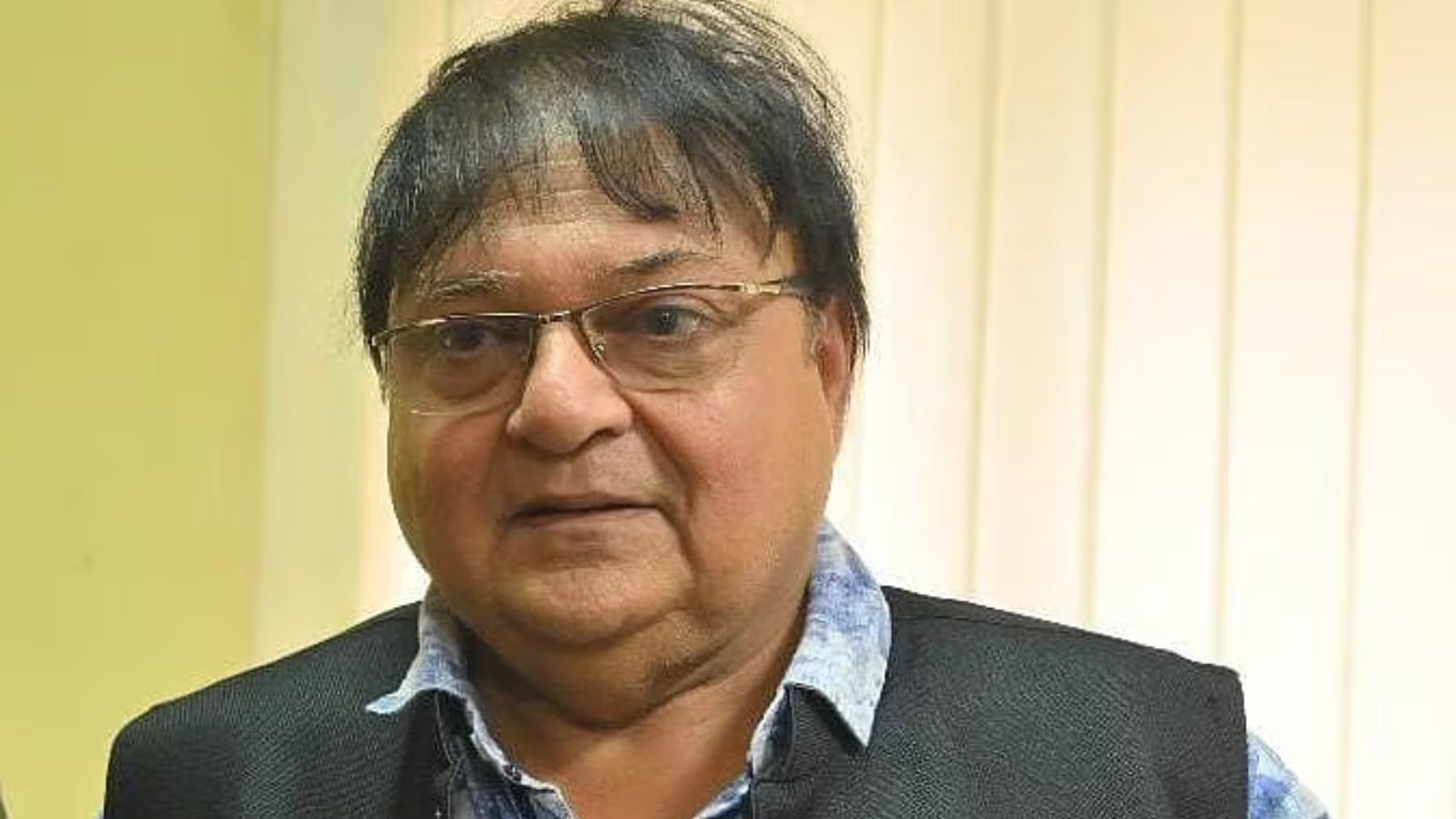


In a significant turn of events for the Dhurandhar cast, veteran actor Rakesh Bedi issued a public apology on Monday, April 6, 2026, for using the prohibited term “Harijan” during a recent interview.
The controversy ignited after Kailash Jaiswar, the Mumbai State President of the Azad Samaj Party, shared a viral audio call and video criticizing the actor for using a word that has been officially banned for use in India to describe the Dalit community.
Bedi, who has been receiving acclaim for his role as Jamil Jamali in Aditya Dhar’s record-breaking blockbuster Dhurandhar: The Revenge, claimed he was unaware of the legal prohibition. In a video message, the actor clarified that his intentions were respectful toward social reformer Dr. B.R. Ambedkar, stating, “I have come to know that it is prohibited to use the word Harijan in our country… if my use of the word has offended a person or a society, then I apologize. I did not say it on purpose.”
The apology followed a direct confrontation from the Azad Samaj Party. Sunil Astay, a founder member of the party, posted a strongly worded message on X (formerly Twitter), suggesting that the “fear of legal consequences” led the actor to realize that “nothing is above the Constitution.” Astay framed the incident as a warning that the Bahujan community will no longer remain silent against language that disrespects their dignity, calling the legal accountability a “new beginning.”
This social controversy comes at a time when Dhurandhar 2 is dominating headlines for its unprecedented financial success, having just crossed the ₹1000 crore mark at the domestic box office. While the film continues to smash records, the real-world legal scrutiny faced by its cast members highlights the heightened social awareness and constitutional vigilance in 2026. As the industry celebrates cinematic milestones, the incident serves as a stark reminder of the cultural sensitivities and legal frameworks governing public discourse in modern India.