
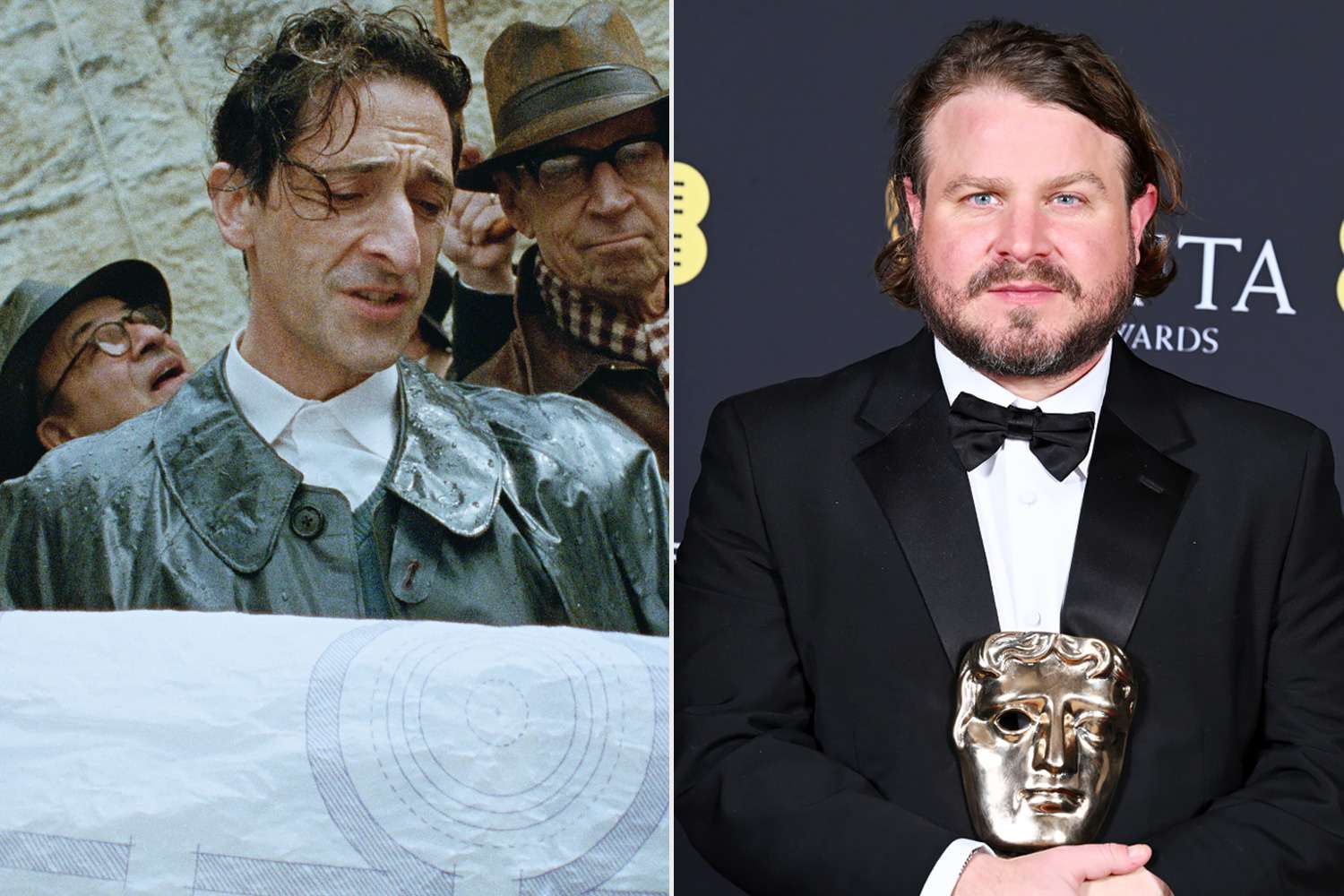


February 18, 2025: Brady Corbet, the director of the Oscar-nominated film The Brutalist, recently shared some shocking insights into the financial realities of filmmaking. In a candid conversation with The Hollywood Reporter, Corbet revealed that, despite his film’s ten Academy Award nominations, he and his wife and creative partner, Mona Fastvold, made “zero dollars” on their last two projects, including The Brutalist. Corbet even went on to say that he had earned “zero” from the film, explaining that the couple had to survive on money they had earned from a paycheck three years ago.
In a revealing remark, Corbet explained that he had been working without pay, having recently directed advertisements in Portugal for the first time in years, marking his first income in a long while.
Corbet, reflecting on the difficulties faced by filmmakers, mentioned that many others in the industry, even those with Oscar nominations, struggle financially. “I’ve spoken to many filmmakers that have films nominated this year that can’t pay their rent,” he said, acknowledging the harsh financial reality faced by many directors.

He also expressed frustration over the system in which filmmakers are expected to promote their films without compensation. “Filmmakers are not paid to be promoting a film,” Corbet said, adding that the promotion process is long and grueling, with films often premiering months before the awards season. For example, his own film premiered in September, and after months of promotion, Corbet was still without a paycheck, unable to even take on a writing job during this time.
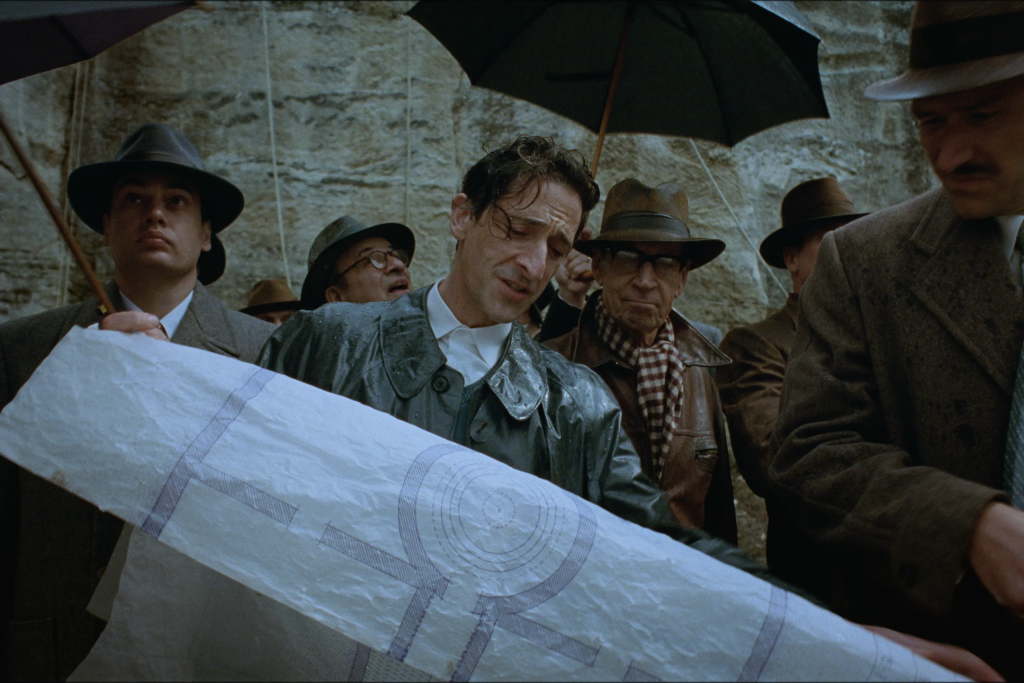
Despite these financial struggles, Corbet’s hard work has earned him significant recognition. He won the Best Director Award at the 78th edition of the BAFTA Awards and was also awarded the Best Director honor at the 2025 Golden Globes. During his acceptance speech at the Golden Globes, Corbet took the opportunity to call for more autonomy for filmmakers in the industry. In a bold statement, he advocated for the director’s final cut to hold more weight in the decision-making process, saying, “Final-cut tiebreak goes to the director.”
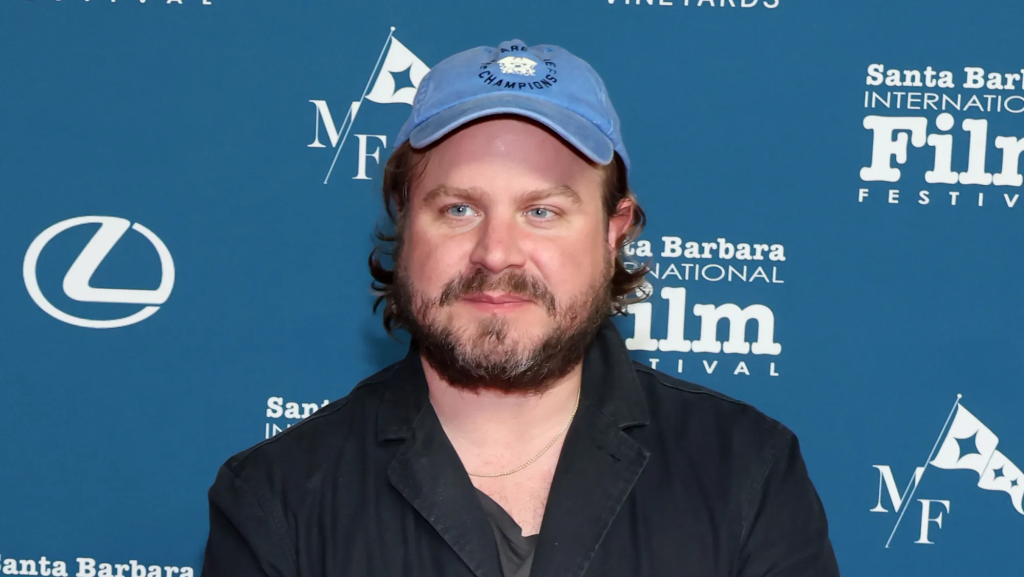
This comment sparked debate, with Corbet explaining how, despite the challenges, his film was always a labor of love, even when others doubted its potential. He reflected on the advice he had received, with many saying his film would be “un-distributable” and “no one would come out and see it,” and how these predictions didn’t stop him from bringing his vision to life.