
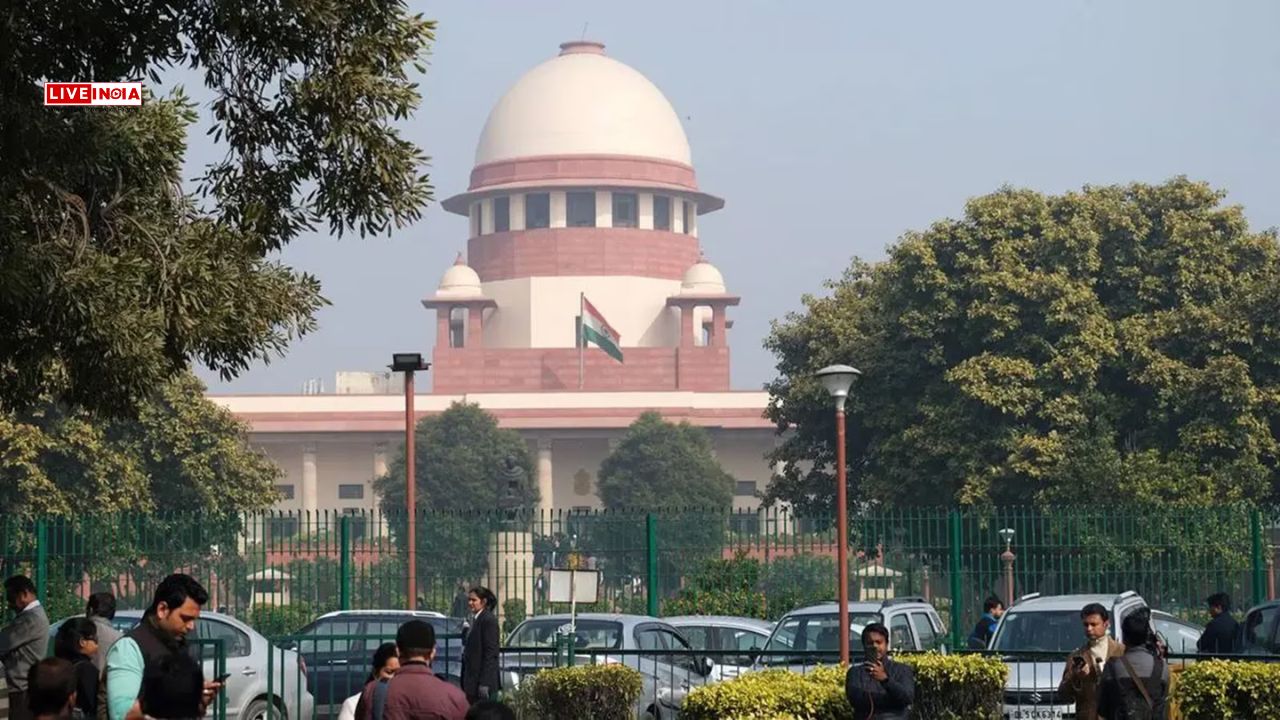


The top court cautions against misuse of dowry laws, especially when allegations are vague, delayed, or appear retaliatory in nature.
New Delhi, April 21, 2025 —
In a significant ruling, the Supreme Court of India quashed criminal proceedings under Section 498A of the IPC against the parents-in-law of a woman, citing lack of specific allegations and possible mala fide intent behind the complaint.
Also Read: Former Karnataka DGP Om Prakash Found Dead at Bengaluru Residence
A bench of Justices Manoj Misra and Manmohan stressed that courts must be “circumspect” when dealing with family members in matrimonial disputes, especially when complaints emerge years into the marriage or immediately after divorce proceedings begin.
“A few taunts here and there are part of everyday life, which for the happiness of the family are usually ignored,” the apex court observed.
⚖️ Background of the Case
- Marriage year: 2005
- Divorce case filed by husband: Just 3 days before the FIR was lodged
- FIR filed under: Sections 498A and 411 of the IPC
- Complaint: Alleged mental and financial harassment, demand for salary, and taunts from in-laws
The Gujarat High Court had earlier dismissed a plea to quash the FIR, saying that the allegations — whether true or false — should be tested during trial. The accused then approached the Supreme Court, arguing that the complaint was a “counterblast” to the divorce suit.
🧾 Supreme Court’s Key Observations
- The parents-in-law had been living separately and there were no specific claims of dowry harassment.
- The complainant alleged that she handed over her salary to her father-in-law, but gave no concrete evidence or timeline.
- The allegations mostly centered around general taunts and custody disputes—not criminal wrongdoing.
Also Read: No GST on UPI Transactions Over ₹2,000: Finance Ministry Debunks Rumors
“The FIR makes no specific mention of dowry demands. Most allegations are vague and relate to day-to-day friction in a matrimonial home,” the court noted.
🧠 Legal Takeaway
The court emphasized the need for High Courts to examine the motive behind complaints during quashing petitions under Section 482 of CrPC, especially when the allegations appear to be made with “an oblique purpose”.
“Courts must be cautious in preventing malicious prosecution of a husband’s relatives, which has become common in protracted matrimonial disputes.”
📌 What This Means
This ruling reaffirms earlier judgments where the judiciary has highlighted the abuse of anti-dowry laws to settle personal scores. While Section 498A remains a crucial safeguard for women, the court reiterated that its misuse undermines its true purpose and clogs the judicial system.
🏷️ Tags:
Supreme Court India, 498A case quashed, misuse of dowry law, Indian Penal Code, matrimonial dispute, false harassment case, Section 482 CrPC, family law India