
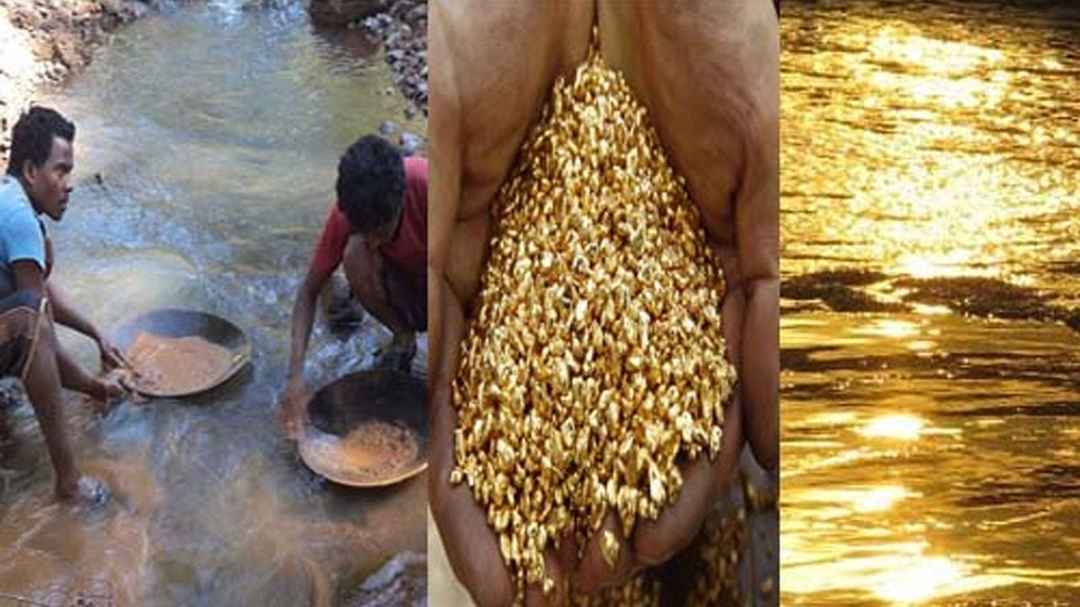


Gold may be associated with mines and markets, but in parts of India, it quietly flows through rivers. Certain mineral-rich regions release tiny gold particles into riverbeds through natural erosion, creating a fascinating blend of geology and history.
How Gold Reaches Rivers
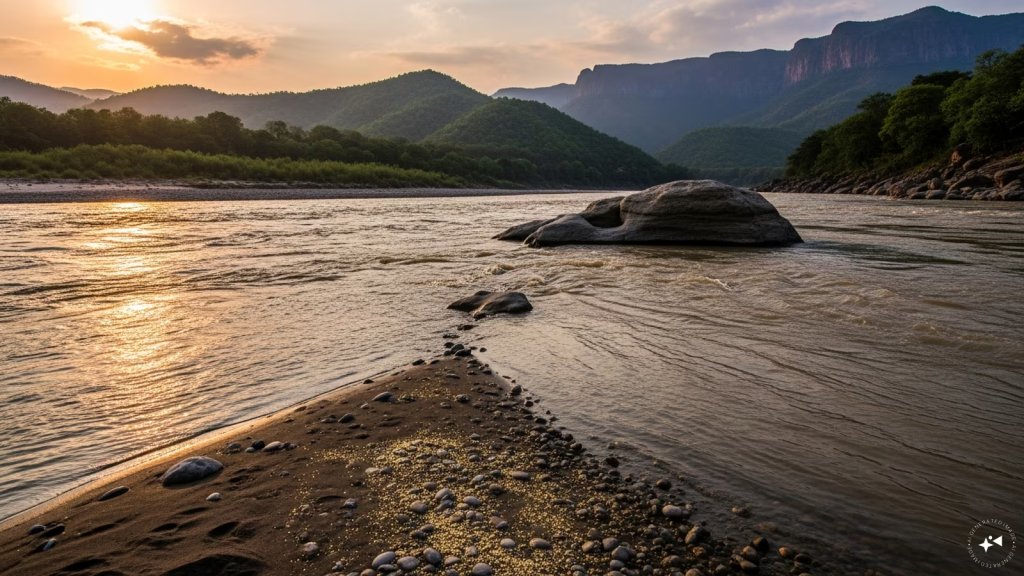
Gold found in rivers typically originates from nearby hills and rocky terrains rich in minerals. Over time, weathering breaks down these rocks, allowing fine gold particles to mix with sediments and settle along riverbeds. While the quantities are extremely small, traditional communities have historically extracted these flakes using simple washing techniques.
Rivers In India Known For Gold Traces
Subarnarekha River
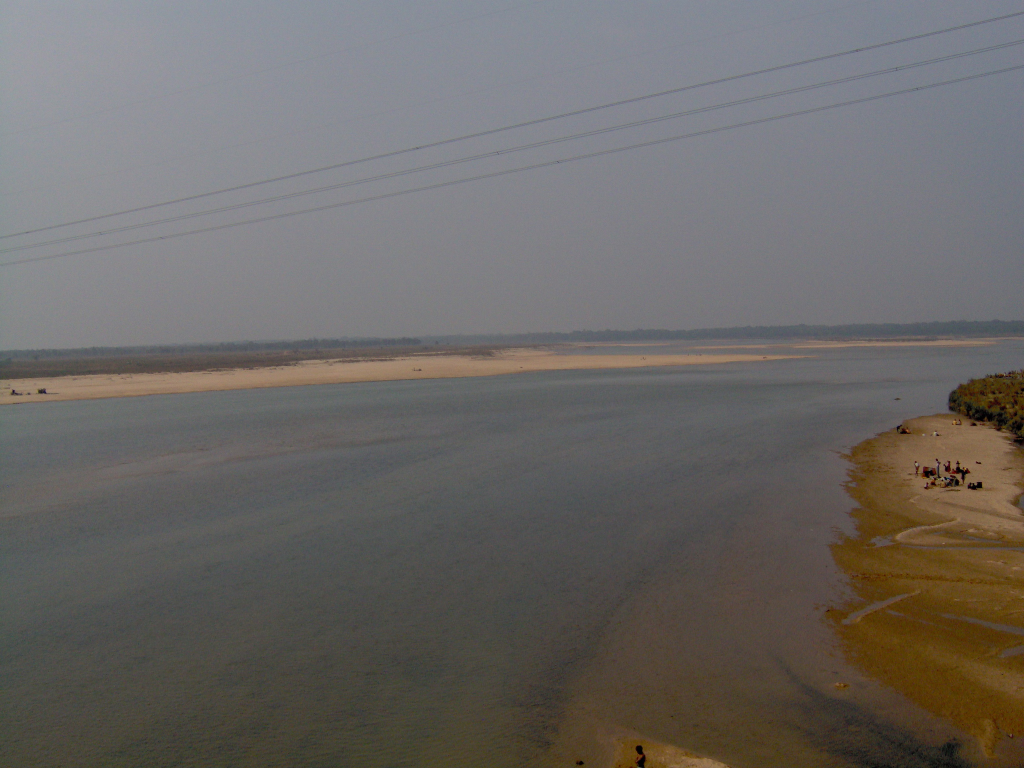
Often called the “Golden Line,” this river is the most well-known for containing traces of gold. Flowing through Jharkhand, West Bengal, and Odisha, it passes through mineral-rich zones. For generations, locals have collected tiny gold particles from its sands, and occasional traces are still reported today.
Son River
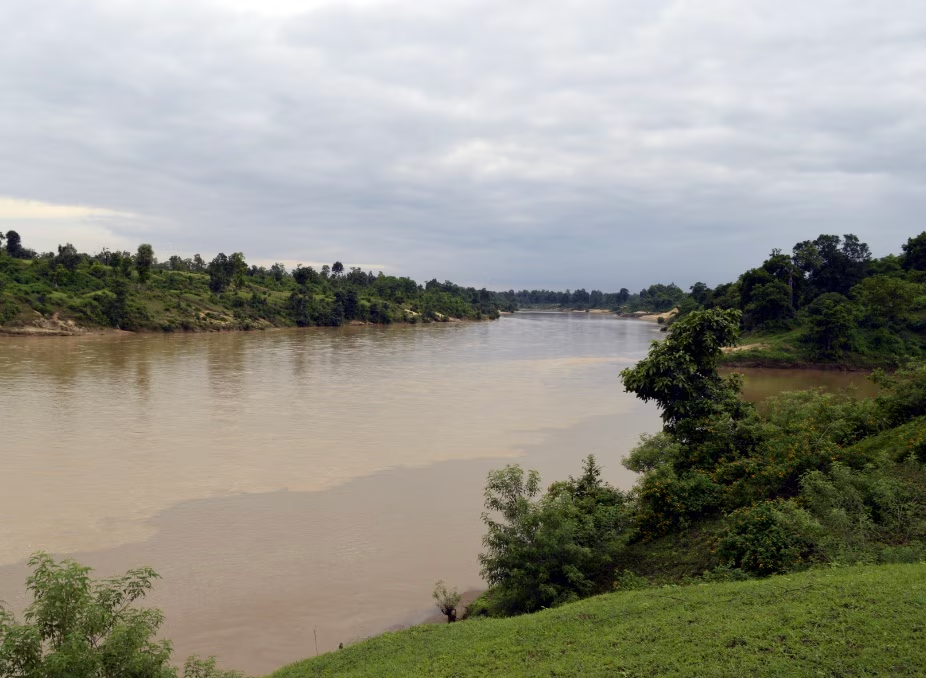
Originating in Madhya Pradesh and flowing through Uttar Pradesh and Bihar before merging with the Ganga, the Son River travels across rocky, mineral-heavy terrain. This geological setting contributes to the presence of fine gold particles in its sediments.
Ken River
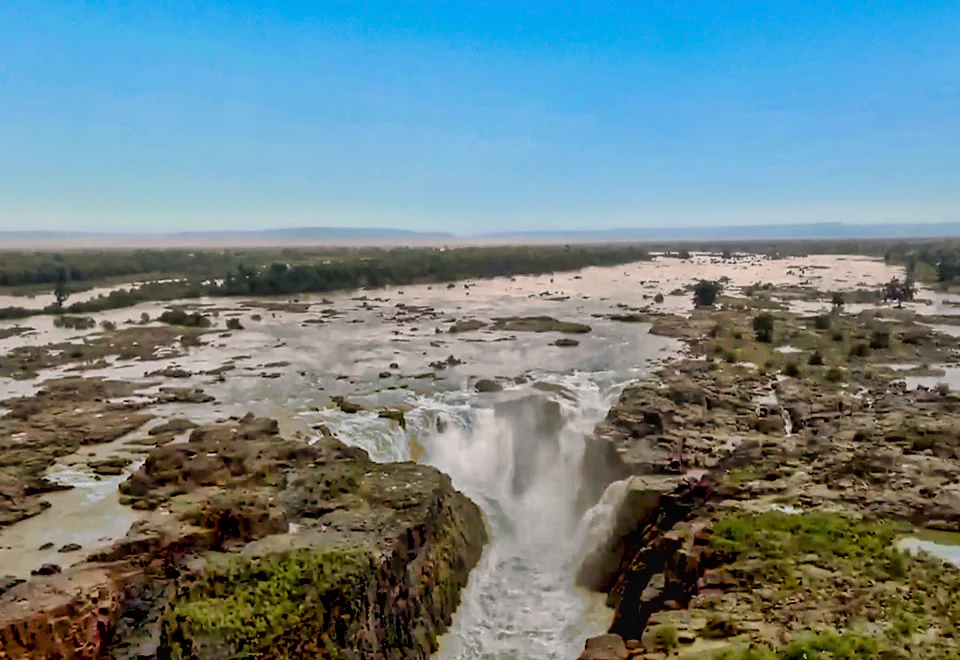
Flowing through Madhya Pradesh and Uttar Pradesh, the Ken River cuts across ancient rock formations. Natural weathering in these regions allows traces of gold to mix with the river’s sand, though in very small quantities.
A Rare But Real Phenomenon
While the idea of finding gold in rivers sounds exciting, the reality is more modest. The particles are extremely fine and difficult to extract in significant amounts. Still, these rivers remain a unique example of how nature quietly distributes precious elements across landscapes.