
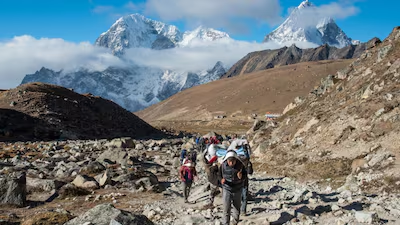


A recent investigation by Nepal’s Central Investigation Bureau (CIB) has clarified that there is no evidence supporting viral claims that Sherpa guides were deliberately “poisoning” climbers on Mount Everest. Instead, authorities say the real issue is a large-scale insurance fraud network worth millions of dollars.
No Evidence of “Poisoning,” Say Authorities
The controversy began after reports alleged that some trekking guides were feeding climbers substances like baking soda to trigger symptoms of Acute Mountain Sickness (AMS), allegedly to justify costly helicopter evacuations.
However, officials have firmly rejected these claims. The CIB confirmed that there is no forensic or legal evidence of any intentional poisoning of climbers.
Fraud Probe Reveals Insurance Scam Network
Investigators uncovered what they describe as a sophisticated insurance fraud operation, involving falsified medical records and staged emergency evacuations.
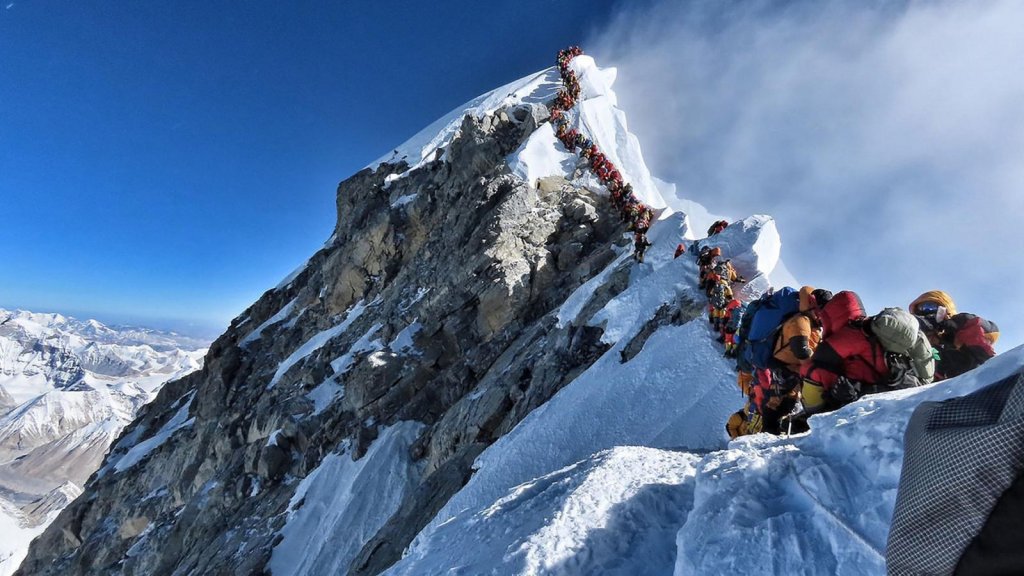
The scam reportedly included fake hospital admissions, forged documents, and manipulated helicopter rescue claims used to defraud international insurance companies.
Scale of the Investigation
Authorities say the probe has identified thousands of suspected fraudulent medical cases across several years, with dozens of individuals linked to the scheme facing charges.
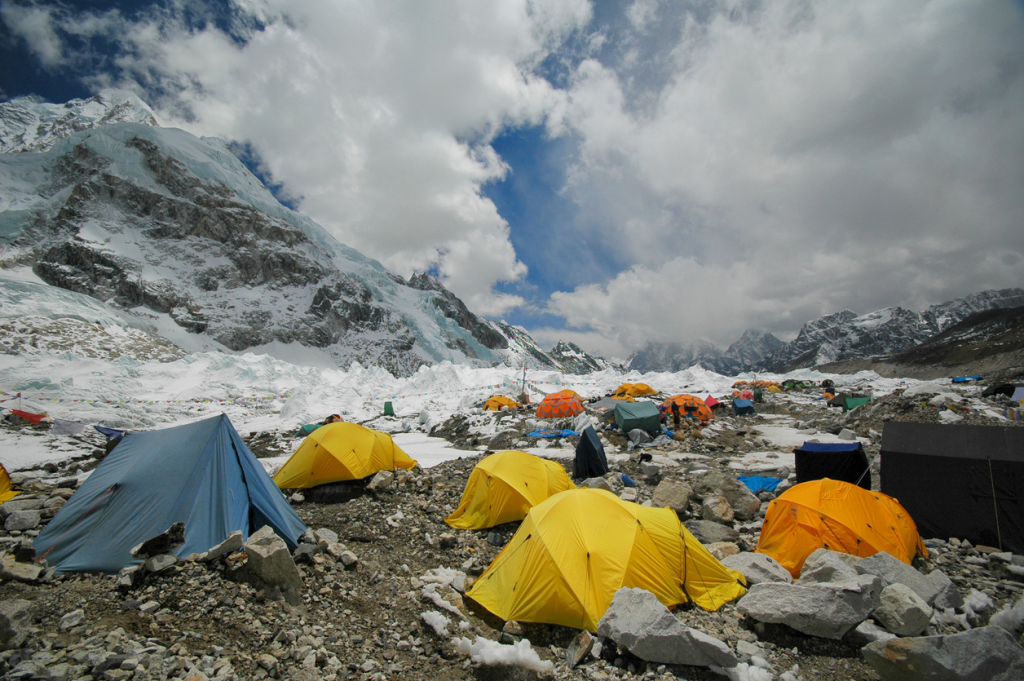
The operation allegedly involved coordination between some trekking agencies, medical facilities, and helicopter operators.
Impact on Tourism and Local Communities
The allegations and subsequent crackdown have raised concerns in Nepal’s tourism sector, particularly among the Sherpa community, which plays a vital role in high-altitude expeditions.
Local operators say the controversy has already led to expedition cancellations and reputational damage to the Himalayan climbing industry.
Sherpa Community Responds
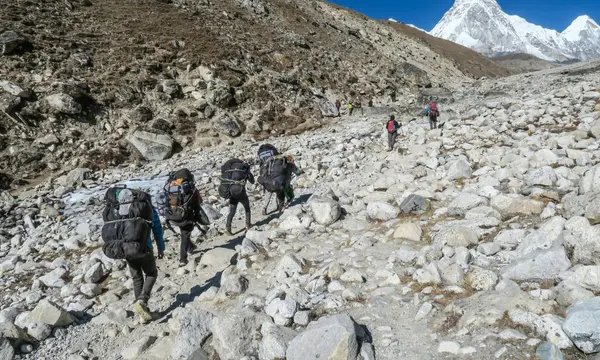
Members of the Sherpa guiding community have expressed frustration over the misinformation, saying it unfairly damages their long-standing reputation for expertise and trust in mountaineering.
Bottom Line
While viral rumours suggested deliberate sabotage on Everest, authorities confirm the real issue under investigation is financial fraud—not poisoning—centered around insurance and rescue claim manipulation.