
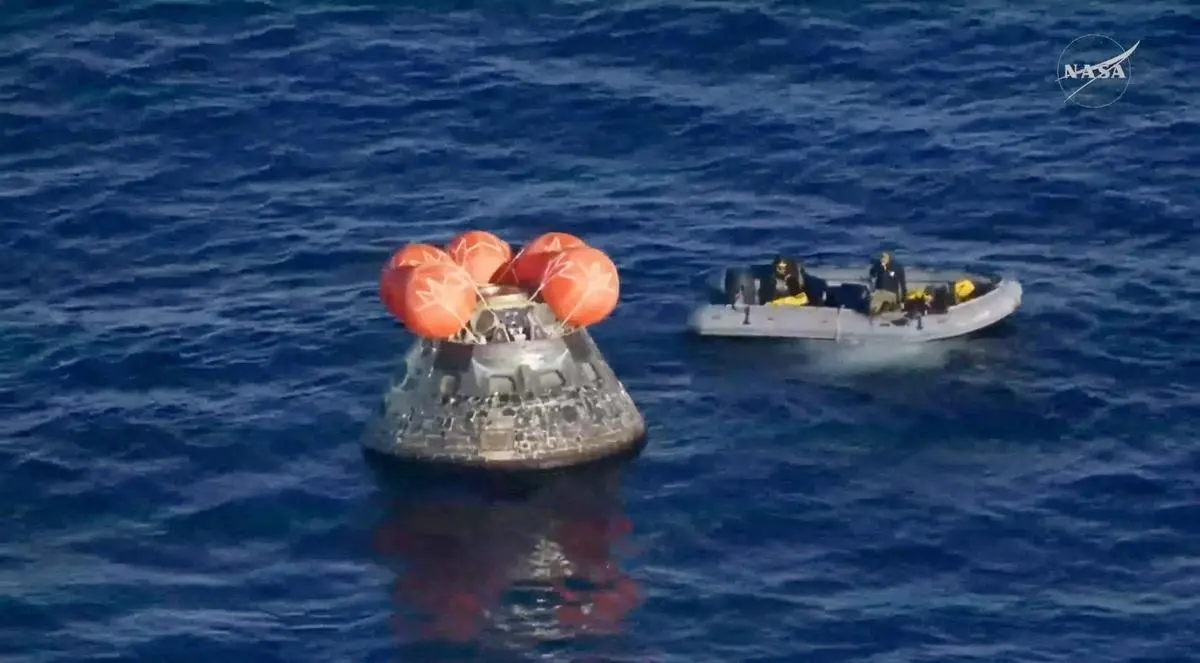


In a major milestone for human space exploration, Artemis II has successfully returned to Earth, marking a crucial step toward future missions to the Moon and beyond.
The mission, conducted by NASA, was a test flight designed to validate systems and procedures rather than attempt a lunar landing. Despite that, it achieved a historic feat—taking humans farther into space than ever before.
Safe Splashdown in the Pacific
The Orion spacecraft carrying the crew safely splashed down in the Pacific Ocean off the California coast, concluding the 10-day mission.
Crew Ventures Beyond the Moon
The mission included astronauts Reid Wiseman, Victor Glover, Christina Koch, and Jeremy Hansen. Launching from Kennedy Space Center, the crew travelled beyond the far side of the Moon—an area never directly seen by humans during flight.
During their return journey, the astronauts also witnessed breathtaking views of the Milky Way, adding to the mission’s significance.
Close Lunar Flyby Offers Rare Views
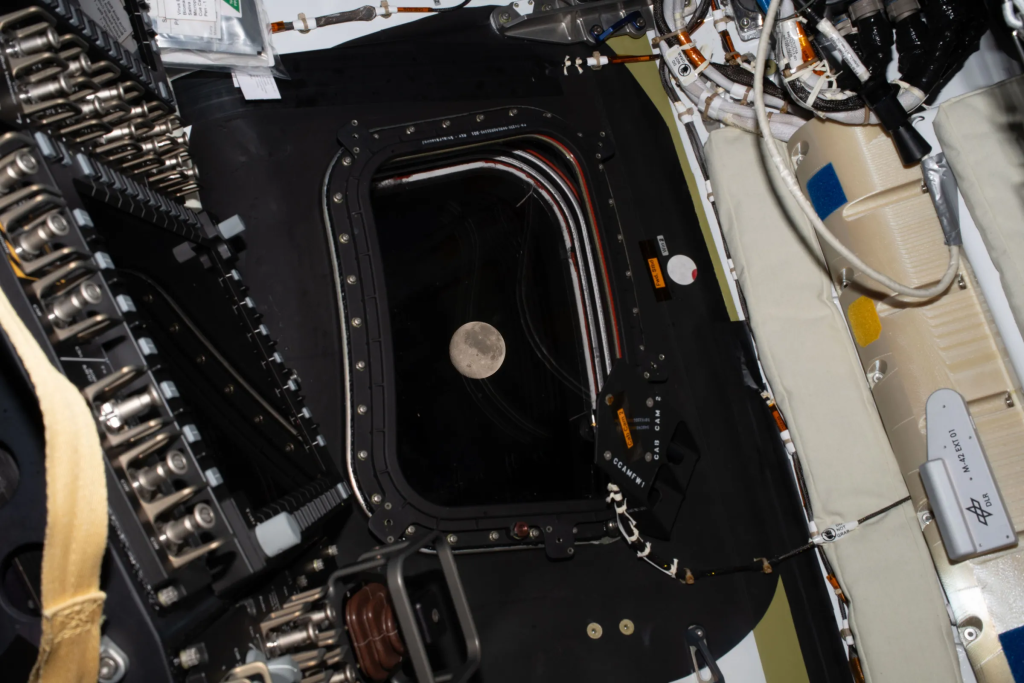
One of the highlights of Artemis II was a close flyby of the Moon, providing a rare seven-hour continuous view of its surface. The Orion spacecraft even captured a unique “selfie” featuring both Earth and the Moon in a single frame.
A Step Toward Long-Term Space Exploration
NASA has described the Artemis programme as a foundation for future missions aimed at enabling humans to live and work beyond Earth for extended periods. Artemis II plays a critical role in testing technologies that will be used in upcoming lunar landings and eventually missions to Mars.