


If you frequently feel bloated, sluggish, or unusually puffy despite maintaining a healthy diet, you’re not alone. In recent years, many people have turned to lymphatic massage, a wellness technique that has gained traction on social media and in celebrity routines, claiming it helps reduce swelling, improve circulation, and support detoxification.
A growing body of research suggests that lymphatic massage may influence metabolic processes. A 2023 study indicated that the technique could positively affect carbohydrate and lipid metabolism, along with cytokine levels, in both normal-weight and overweight individuals. Still, experts caution that while the method has established medical uses, its effectiveness for everyday bloating or detox claims is still being studied.
What Is Lymphatic Massage?
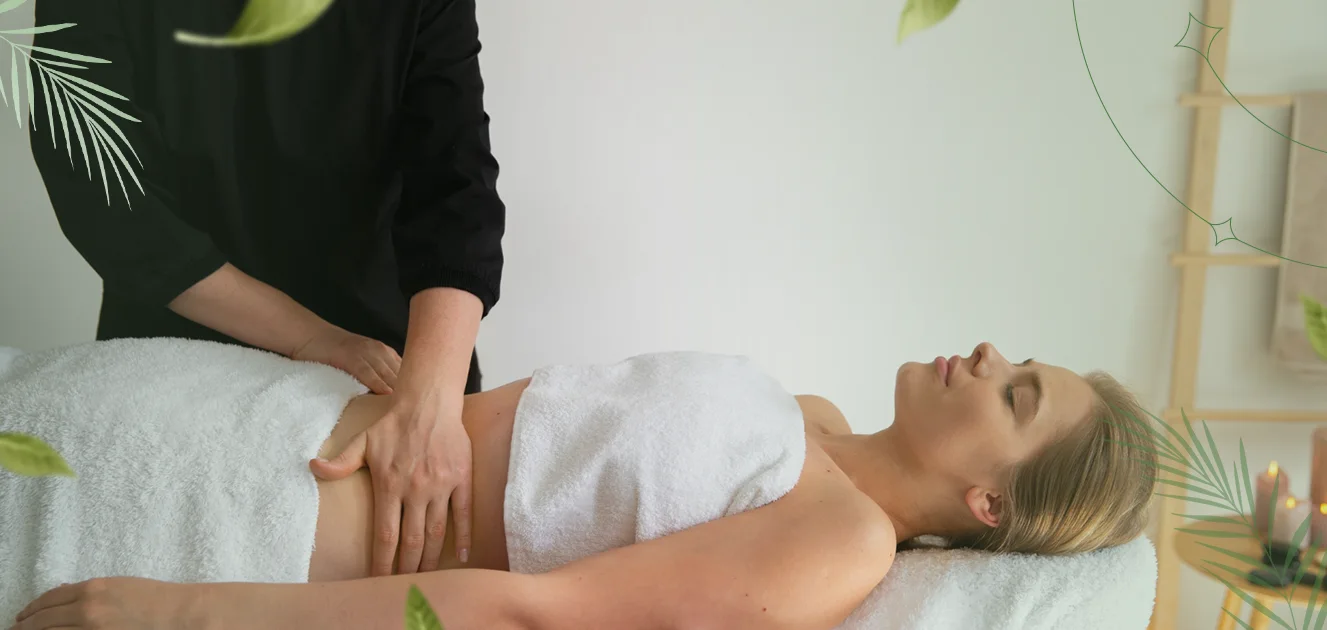
Lymphatic massage, also known as manual lymphatic drainage, is a gentle massage technique designed to stimulate the lymphatic system — a network of vessels and lymph nodes responsible for removing waste, toxins, and excess fluid from the body.
Unlike deep-tissue massage, lymphatic massage relies on light, rhythmic strokes. These movements encourage lymph fluid to circulate more efficiently, potentially reducing swelling and fluid buildup in tissues.
Why Bloating Happens In The First Place
Bloating isn’t always caused by food choices alone. Several underlying factors can contribute to that uncomfortable heavy or swollen feeling, including:
- Water retention
- Poor blood circulation
- Hormonal changes
- Digestive disturbances
- Sedentary lifestyle habits
When lymph flow slows down, fluid can accumulate in certain areas, especially the abdomen, legs, or face, contributing to swelling and discomfort.
How Lymphatic Massage May Help
1. Reduces Water Retention
By encouraging the movement of lymph fluid, lymphatic massage may help decrease swelling and puffiness, particularly in the abdomen, legs, and face.
2. Supports Natural Detox Processes
The lymphatic system plays an essential role in filtering waste products from the body. Stimulating it may enhance the body’s natural detoxification mechanisms.
3. Improves Circulation
Better lymphatic flow is often linked with improved blood circulation, which may leave individuals feeling lighter, less stiff, and more energised.
4. May Ease Digestive Discomfort
Although not a treatment for digestive diseases, some individuals report reduced bloating and improved digestion after regular sessions.
What Happens During A Lymphatic Massage Session?
A typical session is noticeably different from traditional massage therapy. It usually includes:
- Gentle, sweeping strokes
- Focus on lymph-rich areas such as the neck, abdomen, and limbs
- Slow, repetitive movements
- Minimal pressure rather than deep muscle work
Most people describe the experience as relaxing rather than intense, with some reporting a feeling of lightness immediately afterward.
Can You Perform Lymphatic Massage At Home?
Basic lymphatic massage techniques can be performed at home, but experts recommend learning from a trained professional before attempting it independently.
A simple beginner-friendly routine may include:
- Using very gentle pressure
- Starting near the neck and collarbone
- Moving slowly toward the abdomen
- Following the natural direction of lymph flow
- Prioritising consistency over force
Improper technique or excessive pressure may reduce effectiveness or cause discomfort.
Is It Scientifically Proven To Reduce Bloating?
Lymphatic massage is widely recognised in medical practice, particularly for managing lymphedema, a condition involving severe fluid retention.
However, when it comes to general bloating, detoxification, or weight loss, the scientific evidence is still developing. Experts emphasise that while lymphatic massage can assist fluid movement and reduce mild swelling, it should not be viewed as a cure-all solution.
It is best used as a supportive therapy rather than a replacement for medical care.
Who Should Avoid Lymphatic Massage?
Although generally considered safe, lymphatic massage may not be suitable for individuals with:
- Active infections
- Heart disease
- Kidney disorders
- Conditions affecting fluid balance
Anyone with underlying health issues should consult a healthcare professional before trying the therapy.
Simple Habits That Naturally Support Lymphatic Health
Massage therapy works best when combined with healthy daily habits. Experts recommend:
- Drinking adequate water
- Staying physically active through walking or stretching
- Practising deep breathing techniques
- Limiting excessive salt intake
- Getting sufficient sleep
Since the lymphatic system depends heavily on body movement, prolonged sitting can slow fluid circulation and worsen swelling.
The Bottom Line
Lymphatic massage is not just a passing trend — it has legitimate medical uses and growing popularity in wellness circles. While it may help reduce mild bloating, puffiness, and water retention, it is not a miracle cure.
For those feeling persistently bloated or sluggish, lymphatic massage could be worth trying, especially when paired with proper hydration, movement, and medical advice when necessary.
Disclaimer:
This content provides general information only and is not a substitute for professional medical advice, diagnosis, or treatment.