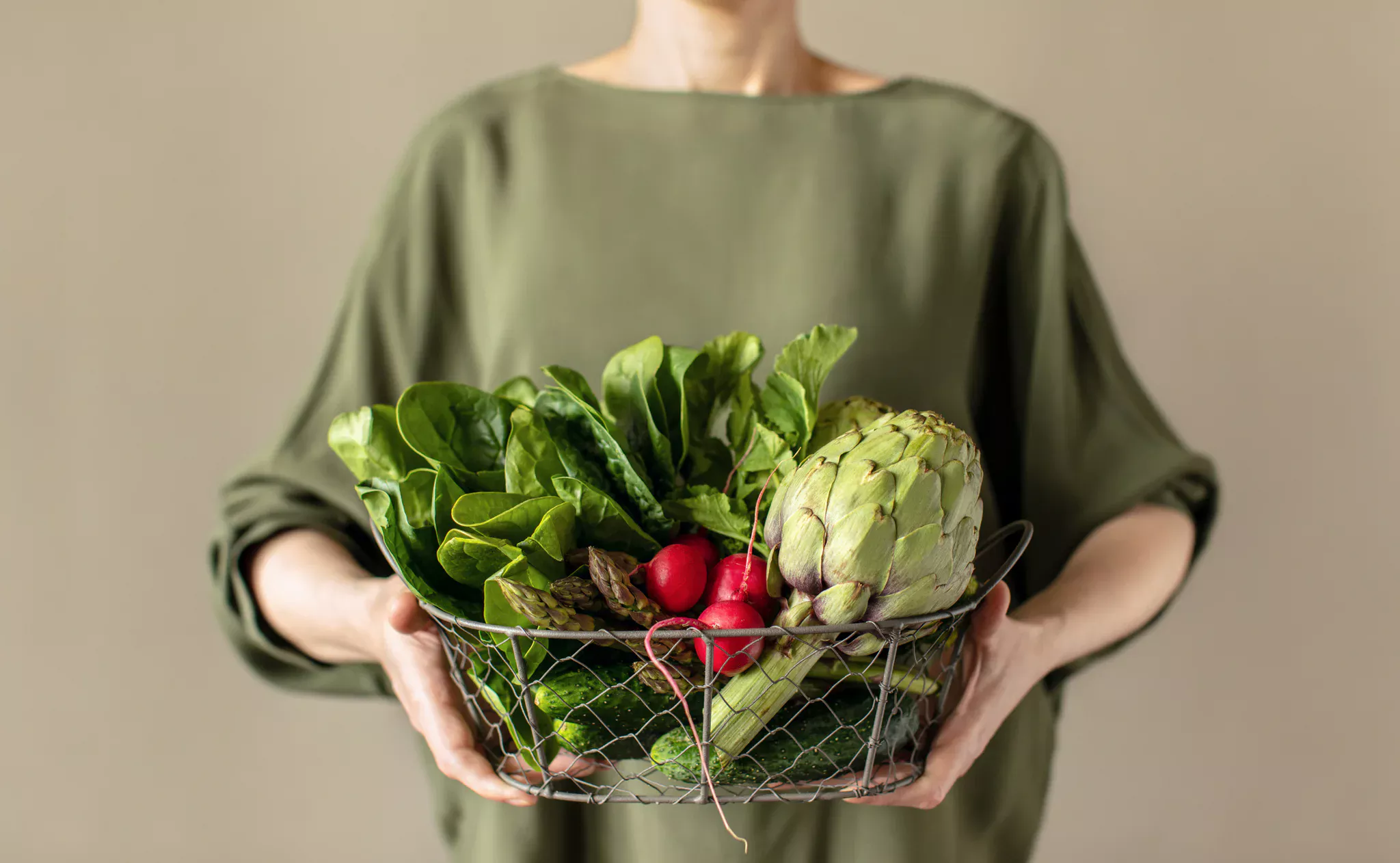
Florida Gastroenterologist Reveals Why Veggies Cause Gas and How to Swap Them
If you have been avoiding salads and stir-fries because they leave you feeling like an over-inflated balloon, you aren’t alone. However, Dr. Joseph Salhab, a Florida-based gastroenterologist known as the “Gut Health MD,” says that digestive discomfort isn’t a sign to quit vegetables—it’s a sign to change your strategy.
In a recent update shared on February 8, 2026, Dr. Salhab explains the science of the “veggie bloat” and provides a roadmap for those with sensitive stomachs to eat their greens without the grief.
According to Dr. Salhab, the primary reason certain vegetables cause distress is a group of fermentable carbohydrates called FODMAPs (Fermentable Oligosaccharides, Disaccharides, Monosaccharides, and Polyols).
The key to staying healthy without the gas is portion control and choosing vegetables that are naturally lower in these fermentable sugars. Dr. Salhab emphasizes that you can still get your essential fiber, antioxidants, and micronutrients by making smart swaps.
If high-FODMAP veggies like broccoli, cauliflower, or raw onions cause issues, try integrating these gentler options:
National Award-winning actor Prakash Raj has fired back at viral reports claiming he walked out…
This Electrolyte Recipe Reset After the Weekend If you are starting your Monday feeling tired,…
In a significant convergence of Bollywood and the Rashtriya Swayamsevak Sangh (RSS), filmmaker Karan Johar…
India’s rising fast bowler Harshit Rana has officially been ruled out of the ongoing ICC…
In a sharp escalation of the ongoing standoff in Parliament, a group of women Members…
The national capital was plunged into a security frenzy on Monday morning after the Indian…