


Scientists revive ancient predators using DNA and gene editing. The breakthrough by Colossal Biosciences reignites ethical debates—and Elon Musk’s imagination.
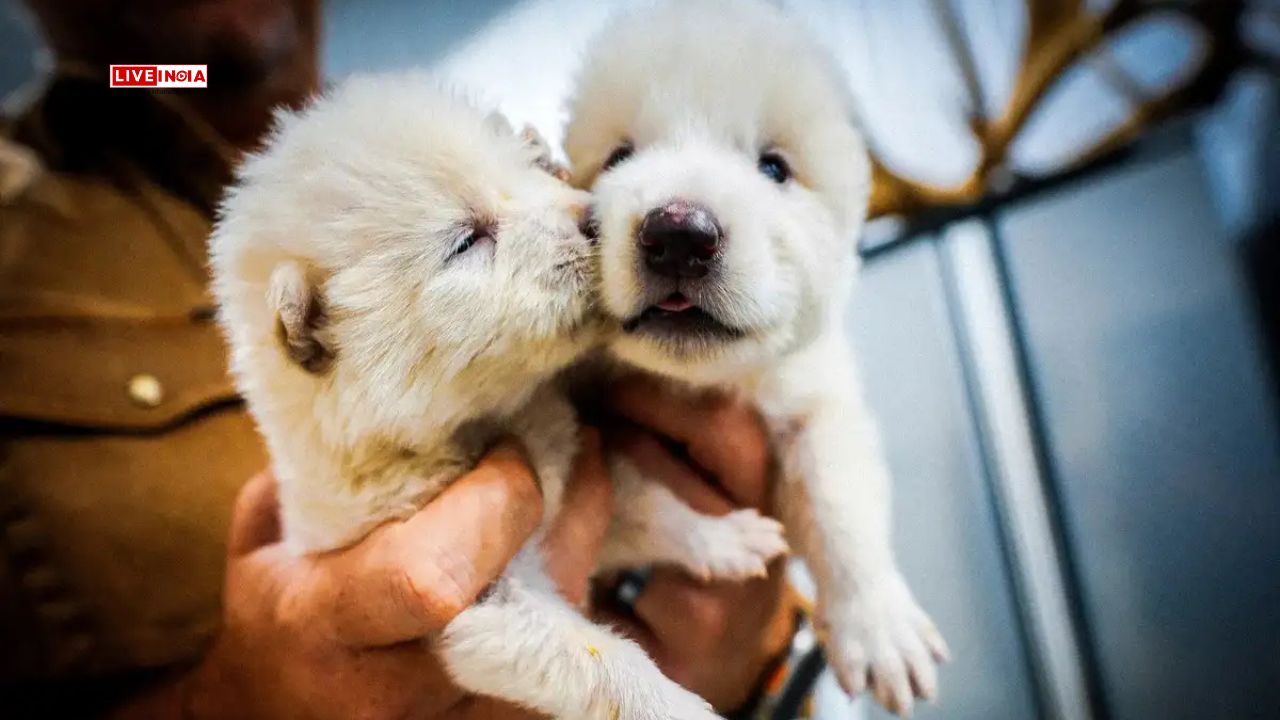
April 8, 2025: In a groundbreaking leap for science—and a scene straight out of Jurassic Park—scientists have successfully brought back dire wolves, a species that has been extinct for over 12,000 years. Texas-based biotech firm Colossal Biosciences announced the birth of three dire wolf pups: Romulus, Remus, and a female born just weeks ago.
Meet Romulus and Remus—the first animals ever resurrected from extinction. The dire wolf, lost to history over 10,000 years ago, has returned. Reborn on October 1, 2024, these remarkable pups were brought back to life using ancient DNA extracted from fossilized remains.
— Colossal Biosciences® (@colossal) April 7, 2025
Watch… pic.twitter.com/XwPz0DFoP5
Also Read: Meta Launches Llama 4: Zuckerberg Unveils Powerful Open-Source AI With MoE Breakthrough
The pups were created using ancient DNA extracted from a 13,000-year-old tooth and a 72,000-year-old skull, then combined with gene editing and cloning techniques involving gray wolves, the dire wolf’s closest living relative.
“This is a game changer,” said George Church, Harvard and MIT genetics professor and co-founder of Colossal, in a statement to Time Magazine. The pups, now around six months old, weigh over 36 kg and measure nearly four feet in length.
Musk’s Wishlist: Mini Woolly Mammoth
The revival sparked excitement beyond the scientific world. Billionaire Elon Musk chimed in on X (formerly Twitter), writing:
“Please make a miniature pet woolly mammoth.”
Please make a miniature pet wooly mammoth https://t.co/UxoIWmzq6h
— Elon Musk (@elonmusk) April 7, 2025
Living Legends—But Not Quite Dogs
Romulus and Remus are healthy, but exhibit no signs of puppy-like behavior. Instead of playfulness or affection, they maintain distance and wariness around humans—traits believed to be natural for the species. Even handlers who raised them from birth are greeted with caution.
“They want to be lonely,” observed one researcher, echoing what ancient fossil records have long implied about these top Ice Age predators.
What’s Next: Dodos, Mammoths, and Tigers
This resurrection is just the beginning. Colossal plans to revive several more extinct species, including the woolly mammoth, Tasmanian tiger, and the dodo. Though past attempts have met limited success, the successful cloning of dire wolves is being hailed as a major milestone in de-extinction technology.
“Our technology stack works, and this is proof,” said Ben Lamm, Colossal’s CEO and co-founder.
Where Are the Wolves Now?
The dire wolf pups are now housed at a secure 2,000-acre sanctuary at an undisclosed location, monitored round-the-clock by drones, guards, and live cameras behind 10-foot-high fences.
Colossal says the next step is to observe and understand these creatures more deeply—and possibly prepare the world for a future where the extinct walk among us once more.
🏷️ Tags:
dire wolves, Colossal Biosciences, Elon Musk, de-extinction, extinct animals, gene editing, cloning, woolly mammoth, George Church, Romulus and Remus, Game of Thrones, ancient DNA, dodo revival, Tasmanian tiger, pet mammoth, science breakthrough, biotechnology, CRISPR, genetic engineering, futuristic science, Jurassic Park in real life