
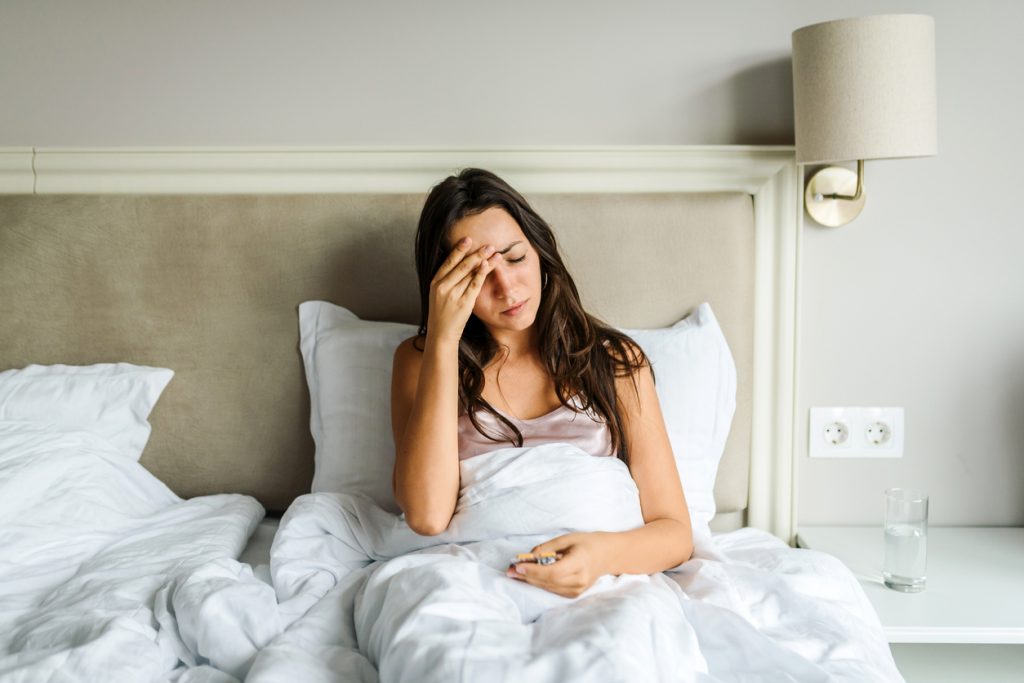


Frequent night sweats may signal underlying health issues like infections, hormonal imbalance, or even chronic conditions—here’s what your body could be trying to tell you.
Night Sweats: More Than Just Discomfort
Night sweats are not just about feeling warm during sleep—they can leave you drenched, disrupt your rest, and cause fatigue the next day. Unlike sweating due to heat or physical activity, night sweats often occur even in a cool environment and may indicate that your body’s internal temperature regulation is off balance.
While occasional sweating at night can be harmless—triggered by heavy blankets or spicy food—persistent episodes could be linked to deeper health concerns. Understanding the root cause is key to managing the condition effectively.
Common Causes of Night Sweats
1. Infections
One of the leading causes of night sweats is infection. Conditions like Tuberculosis (TB) are known for causing intense nighttime sweating along with symptoms such as fever, cough, and weight loss. Other infections like HIV, endocarditis, bone infections, and fungal diseases can also lead to repeated episodes.
If night sweats are accompanied by chills, fatigue, or fever, medical evaluation is essential.
2. Hormonal Changes (Menopause)
Hormonal fluctuations, especially during menopause or perimenopause, can trigger hot flashes and night sweats. Falling estrogen levels affect the body’s temperature control system, causing sudden sweating episodes during sleep.
Women may also experience symptoms like mood swings, heart palpitations, and disrupted sleep patterns. Similar effects can occur during pregnancy or PMS due to hormonal shifts.
3. Cancers
Certain cancers, particularly lymphoma and leukemia, are associated with night sweats. These are often referred to as “B symptoms” and include unexplained sweating, fever, and weight loss.
Persistent night sweats along with swollen lymph nodes, fatigue, or unexplained bruising should be taken seriously and evaluated promptly.
4. Hyperthyroidism
An overactive thyroid, or Hyperthyroidism, can speed up metabolism and increase body heat, leading to excessive sweating—even at night.
Other signs include rapid heartbeat, anxiety, tremors, and unexplained weight loss. Blood tests can confirm the condition, and treatment can help regulate hormone levels.
5. Anxiety and Stress
Mental health plays a significant role in physical symptoms. Anxiety and chronic stress activate the body’s “fight or flight” response, releasing adrenaline that can trigger sweating during sleep.
Nighttime panic attacks or excessive worry can worsen the condition, creating a cycle of poor sleep and fatigue.
6. Low Blood Sugar (Hypoglycemia)
Low blood sugar, especially in people with diabetes, can cause night sweats. Known as Hypoglycemia, this condition triggers adrenaline release, leading to sweating, shakiness, and confusion.
Managing blood sugar levels and having a small bedtime snack can help prevent episodes.
7. GERD and Sleep Apnoea
Conditions like Gastroesophageal reflux disease (GERD) and Sleep Apnoea can also lead to night sweats.
GERD causes acid reflux during sleep, while sleep apnoea interrupts breathing, stressing the body and triggering sweating. Symptoms may include snoring, coughing, and daytime sleepiness.
When Should You See a Doctor?
Occasional night sweats are usually harmless. However, seek medical attention if you experience:
- Frequent or severe sweating
- Unexplained weight loss
- Fever or persistent fatigue
- Swollen lymph nodes
- Sleep disruption over a long period
Conclusion
Night sweats are your body’s way of signaling that something may be off. While lifestyle factors can sometimes be the cause, persistent symptoms should not be ignored. Identifying the underlying issue early can help you take timely action and improve your overall health.