
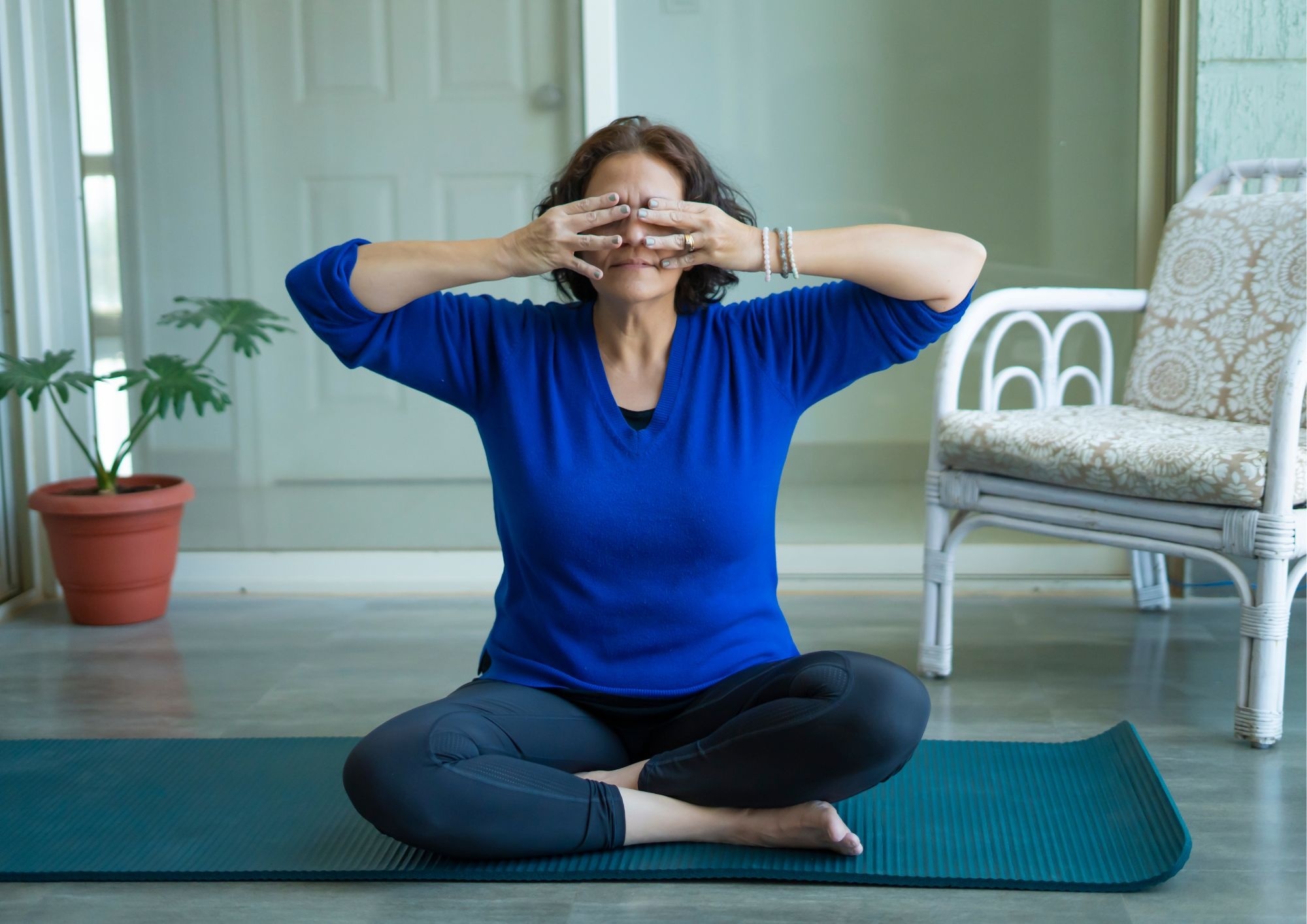


In today’s screen-driven world, eye strain has become a common complaint. From long hours on laptops to late-night scrolling on smartphones, our eyes rarely get enough rest. If you often experience dryness, blurred vision, or headaches, your eyes may be signaling fatigue. While yoga cannot replace glasses or cure vision disorders, certain eye exercises can help relax muscles, reduce strain, and support better eye comfort.
According to Dr Ganesh Chaudhary, simple eye yoga routines performed daily can help reduce discomfort caused by excessive screen time.
Why Your Eyes Feel Tired After Screen Use
Spending long hours staring at digital screens can lead to digital eye strain, a condition commonly linked with symptoms such as:
- Dryness and irritation
- Blurred vision
- Headaches
- Difficulty focusing
- Eye fatigue
Over time, repeated strain may contribute to vision issues like Myopia, especially among children and young adults.
Can Yoga Improve Eyesight?
Eye yoga mainly focuses on:
- Relaxing eye muscles
- Improving blood circulation
- Reducing stress and fatigue
While these exercises cannot reverse structural vision problems, they can help improve comfort and reduce symptoms often mistaken for worsening eyesight.
6 Easy Yoga Eye Exercises For Better Eye Health
1. Palming: Quick Relaxation For Tired Eyes
Palming is one of the simplest ways to relax strained eyes.
How to do it:
- Rub your palms together until warm
- Gently place them over closed eyes
- Avoid applying pressure
- Relax and breathe deeply for 1–2 minutes
This technique helps relax optic nerves and provides instant relief from eye fatigue.
2. Blinking Exercise: Restore Eye Moisture
Many people blink less while staring at screens, leading to dryness.
Steps:
- Blink rapidly for 10–15 seconds
- Close your eyes and relax briefly
- Repeat 3–4 times
Regular blinking helps lubricate the eyes and reduce irritation.
3. Eye Rolling (Chakra Aasan)
Eye rolling loosens stiff eye muscles and improves flexibility.
Steps:
- Sit comfortably
- Slowly roll your eyes clockwise
- Repeat anticlockwise
- Perform 5–10 rotations in each direction
4. Focus Shifting (Near And Far)
This exercise strengthens focusing ability.
Steps:
- Hold your thumb in front of your face
- Focus on it for a few seconds
- Shift focus to a distant object
- Repeat 10–15 times
This technique supports better visual coordination.
5. Figure Eight Movement
This improves eye coordination and muscle control.
Steps:
- Imagine a large figure 8 about 10 feet away
- Trace it slowly using only your eyes
- Reverse direction after a few rounds
6. Trataka (Candle Gazing)
A traditional yogic practice known for improving focus and concentration.
Steps:
- Sit in a dim room
- Place a candle at eye level
- Gaze steadily at the flame
- Close your eyes once tired
This exercise enhances concentration and eye stability.
How Often Should You Do Eye Yoga?
Experts recommend:
- 10–15 minutes daily
- Taking breaks every 30–40 minutes during screen use
- Following the 20-20-20 rule — every 20 minutes, look at something 20 feet away for 20 seconds
These simple habits can significantly reduce digital eye fatigue.
Lifestyle Tips To Support Healthy Eyes
Eye exercises work best when combined with healthy daily habits, such as:
- Adjusting screen brightness and reducing glare
- Staying well hydrated
- Eating foods rich in Vitamin A, like carrots and spinach
- Getting enough sleep
- Avoiding excessive screen use before bedtime
Together, these habits support long-term eye health.
A Reality Check: What Eye Yoga Can And Cannot Do
Eye yoga exercises can:
✔ Reduce eye strain
✔ Improve comfort
✔ Support muscle relaxation
However, they cannot:
✘ Cure refractive errors like Myopia
✘ Replace prescription glasses
✘ Substitute medical treatment
If you experience persistent vision problems, consulting an eye specialist is essential.
In a world dominated by screens, taking a few minutes daily to care for your eyes can make a noticeable difference. Eye yoga offers a simple and natural way to reduce strain and maintain comfort throughout the day.