


June 26, 2025: In a major discovery, researchers have identified 20 previously unknown viruses in bats from China’s Yunnan province, including two that are genetically similar to the deadly Hendra and Nipah viruses.
The findings, published in the peer-reviewed journal PLOS Pathogens, were based on an in-depth study of kidney tissue from 142 bats collected between 2017 and 2021. Using advanced genetic testing, scientists uncovered not just new viruses but also a novel parasite and a previously undescribed bacterium.
Why the Findings Are Alarming
What’s particularly concerning is that many of the viruses were found in bat kidneys—organs that produce urine, which can contaminate fruit or water sources near human populations. This increases the risk of zoonotic spillover, where viruses jump from animals to humans.
“These viruses are particularly concerning because they were predominantly found in bat kidneys, raising alarm about potential human exposure via contaminated fruits or water,” said molecular virologist Prof. Vinod Balasubramaniam of Monash University, Australia.
Two Viruses Closely Related to Hendra and Nipah
The two most alarming discoveries—Yunnan bat henipavirus 1 and 2—share 52% to 57% genetic similarity with Hendra and Nipah viruses. These viruses have previously caused severe outbreaks in humans and animals, leading to fatal brain infections and respiratory diseases.
Why Study Bat Kidneys?
While past research has focused on bat feces, this study marks a shift by analyzing internal organs. The scientists argue that the bat kidney microbiome is underexplored and could be key to understanding how viruses are excreted and potentially transmitted.
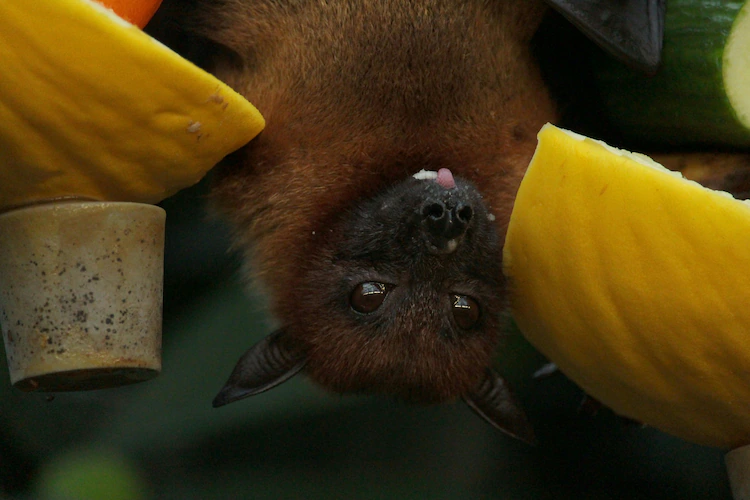
Bats are natural reservoirs for many viruses that affect humans, including Ebola, SARS, MERS, and COVID-19. In this case, the bats were found roosting near fruit orchards in rural Yunnan, heightening concerns about urine-contaminated produce acting as a transmission vector.
Additional Microbial Discoveries
Besides the 22 viruses (20 of them entirely new), the team also identified:
- A new single-celled parasite, Klossiella yunnanensis
- A novel bacterium, Flavobacterium yunnanensis
- One other known bacterial species
What This Means for Global Health
Experts say the findings highlight the need for greater wildlife surveillance, especially in regions with climates similar to past Nipah outbreak zones like Malaysia. The research emphasizes the importance of looking beyond bat feces and into internal organs to better understand emerging infectious diseases.
Moving Forward
“This is a small step, but a steady and solid step towards predicting and preventing future zoonotic outbreaks,” said Prof. Balasubramaniam. Scientists now urge further studies and monitoring to ensure these viruses don’t make the jump to humans.