
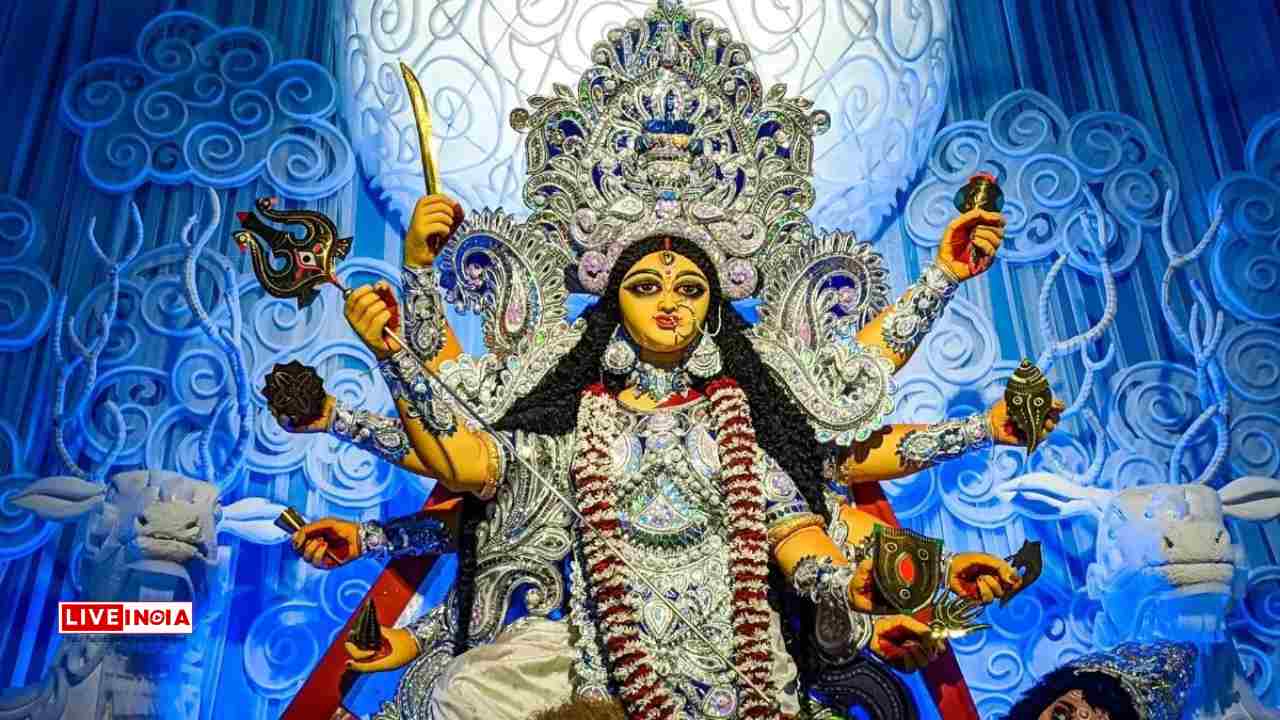


Ram Navami, the grand finale of Chaitra Navratri, marks the birth of Lord Ram and symbolizes the triumph of dharma. It is deeply connected with the worship of Goddess Durga’s nine forms and represents the divine balance of strength, virtue, and devotion.
Chaitra Navratri is a nine-day spiritual celebration observed in the Hindu month of Chaitra (March-April), marking the beginning of the new year as per the Vikram Samvat calendar. It culminates with Ram Navami, the birth anniversary of Lord Shri Ram, the seventh avatar of Vishnu, who represents righteousness, duty, and compassion.
What makes Chaitra Navratri unique is its dual celebration — on one hand, devotees worship the nine forms of Goddess Durga (Navadurga); on the other, they prepare to welcome the birth of the Maryada Purushottam (the Ideal Man), Lord Ram.
The Spiritual Connection: Devi Worship and Lord Ram
At first glance, Goddess Durga and Lord Ram may seem to belong to different traditions of worship — Shakti and Vaishnavism. But Chaitra Navratri beautifully weaves their narratives together.
Here’s how they are spiritually connected:
- Symbolism of Dharma & Shakti:
Lord Ram symbolizes Dharma (righteousness), while Goddess Durga embodies Shakti (cosmic energy). Together, they represent the divine balance needed for the sustenance of the universe — where dharma is supported and protected by divine strength. - Ram’s Devotion to the Goddess:
Before battling Ravana, Lord Ram performed Durga Puja to seek her blessings, known as Akal Bodhan. This act emphasizes that even the mightiest must surrender before Shakti to attain victory. - Victory over Evil:
The nine days of Navratri represent the battle between Devi Durga and Mahishasura, just as Ram Navami celebrates the birth of the divine warrior who would go on to destroy Ravana, the embodiment of adharma.
Ram Navami 2025: Date and Auspicious Timing
In 2025, Ram Navami will be observed on Sunday, April 6.
- Tithi: Chaitra Shukla Navami
- Auspicious Pooja Muhurat (approximate, to be verified with local panchang):
- Ram Navami Madhyahna Muhurat: 11:02 AM to 01:36 PM
- Total duration: 2 hours 34 minutes
- Ram Janm (birth) time is celebrated during the Madhyahna (mid-day) period as per Hindu belief.
How to Celebrate Ram Navami: Rituals and Pooja Vidhi
Ram Navami is observed with great devotion in homes and temples. Here is a step-by-step guide for performing the Ram Navami Pooja:
1. Morning Preparations
- Wake up early, take a bath and clean the puja space.
- Set up an altar with an idol or picture of Lord Ram, Sita, Lakshman, and Hanuman.
- Place flowers, incense sticks, diyas, and offerings like fruits, sweets, and tulsi leaves.
2. Sankalp (Vow)
- Take a vow (sankalp) to observe the day with devotion, fasting (if applicable), and prayer.
- Many devotees observe Navami vrat, consuming only fruits and satvik food.
3. Invocation and Worship
- Begin with the Ganesh Vandana and then recite Ram Raksha Stotra, Ramayan verses, or Bhagwan Ram Aarti.
- Offer panchamrit, naivedya, and tulsi leaves to the deity.
- Chant the Rama Nama or “Shri Ram Jai Ram Jai Jai Ram” as a mantra.
4. Ram Janm Celebrations
- At midday, devotees perform a symbolic ‘Janmotsav’ (birth celebration) of Lord Ram.
- A small cradle is decorated, and the idol of infant Ram is gently rocked while singing bhajans and kirtans.
5. Recitation and Katha
- Reading the Ramayan, especially Bal Kand and Ram Janm Katha, is a common practice.
- Devotees also recite Sundar Kand or organize Ramayan Path in temples.
Celebrating with Kanya Pujan (Kanjak Pooja)
On Ashtami or Navami, many families observe Kanya Pujan — where nine young girls (representing the Navdurga) are worshipped. This symbolizes reverence for the feminine energy, and is often followed by offering food (poori, halwa, chana), gifts, and blessings.
Significance of Ram Navami in Today’s Times
In a world of chaos, Lord Ram’s birth is not just a festival, but a reminder of ideal conduct, truth, humility, and faith. His birth during Navratri serves as a spiritual call to internal transformation, where we destroy inner evils (ego, anger, greed) just as Ram and Durga defeated Ravana and Mahishasura.
Conclusion: A Divine Ending to Navratri
Chaitra Navratri ends with Ram Navami, completing the spiritual cycle of inner awakening. As we invoke the Shakti of the Goddess during the nine nights, we welcome the embodiment of Dharma in the form of Lord Ram on the tenth day. Together, they bless us with strength, virtue, and the will to walk the righteous path.
May this Navratri and Ram Navami bring peace, purity, and divine blessings to all!