



- Advertisement -
NEW DELHI — In a significant impact of the ongoing conflict in West Asia, Indian state-run oil marketing companies (OMCs) have implemented steep hikes in commercial fuel prices effective Wednesday, April 1, 2026. Aviation Turbine Fuel (ATF) has crossed the ₹2 lakh per kiloliter mark for the first time in history, while commercial LPG prices have seen their second major increase in less than a month.
1. Commercial LPG Rate Hike
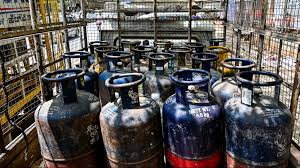
The price of a 19 kg commercial LPG cylinder was increased by ₹195.50 in Delhi today, bringing the cost to ₹2,078.50.
- Impact: This is the second monthly increase in rates following a previous hike of ₹114.50 on March 1. The rise is set to severely impact the operational costs of hotels, restaurants, and small businesses.
- Domestic Relief: In contrast, prices for domestic (14.2 kg) cooking gas cylinders remain unchanged at ₹913 in Delhi, providing some stability for household consumers.
2. Historic Surge in Aviation Turbine Fuel (ATF)
Jet fuel prices have experienced a massive spike, more than doubling across major Indian metros.
- Record Peak: In Delhi, the price of ATF for domestic airlines jumped by 114.5%, reaching ₹2,07,341.22 per kilolitre, up from ₹96,638.14 in March.
- Economic Strain: Jet fuel accounts for 35–45% of an airline’s operating costs. The record surge is expected to squeeze margins for airlines already forced to take longer, more fuel-intensive routes due to the closure of airspace in the conflict zone.+1
City-Wise Commercial LPG Rates (Effective April 1, 2026)
| City | New Price (19 kg cylinder) |
| Delhi | ₹2,078.50 |
| Mumbai | ₹2,031.00 |
| Kolkata | ₹2,208.00 |
| Bengaluru | ₹2,246.50 |
Why Are Prices Rising?
The surge is directly linked to the widening conflict between the US-Israel coalition and Iran.
- Supply Chain Disruption: Geopolitical tensions have led to the effective blockade of the Strait of Hormuz, a vital maritime choke point for global energy trade.
- Global Benchmarks: Indian OMCs revise fuel prices on the first day of every month based on international crude oil benchmarks and foreign exchange rates. As global oil prices have reportedly risen by nearly 50% since the conflict began on February 28, the cost is being passed on to domestic commercial consumers.
- Government Intervention: To help ease the pressure, the central government has made an ad hoc allocation of PDS kerosene to states and union territories for household use for the next 60 days to serve as a temporary alternative for cooking and lighting.