


New Delhi and Dhaka swap “grave concerns” over mission security and minority safety, even as visa services remain suspended across several locations.
December 24, 2025: The diplomatic relationship between India and Bangladesh hit a historic low on Tuesday, December 23, 2025, as both nations summoned each other’s top diplomats in a series of tit-for-tat formal reprimands. The escalation follows the horrific lynching of Dipu Chandra Das, a 27-year-old Hindu garment worker, which has sparked a wave of “anti-India” sentiment in Bangladesh and massive retaliatory protests across major Indian cities.
The Diplomatic Flare-up: Timeline of Summons
The day was marked by high-level “urgent consultations” as both governments sought to control the narrative surrounding the unrest.
| Envoy Summoned | Location | Reason/Conveyed Message |
| Pranay Verma (Indian HC) | Dhaka | Summoned by Foreign Secretary Asad Alam Siam over “premeditated violence” outside Bangladesh missions in India and vandalism at a Siliguri visa center. |
| M. Riaz Hamidullah (Bangladeshi HC) | New Delhi | Called to South Block to discuss the “horrendous” killing of Dipu Das and warn against unsubstantiated claims blaming India for the death of radical leader Sharif Osman Hadi. |
Ground Zero: The Tragedy in Mymensingh
The primary catalyst for the current crisis is the brutal death of Dipu Chandra Das on December 18.
- The Incident: Das was accused of blasphemy during an event at his factory in Bhaluka. Reports suggest factory supervisors forced him to resign and handed him over to an enraged mob.
- The Brutality: Visuals showed Das being beaten to death, his body tied to a tree, and eventually set on fire on the Dhaka-Mymensingh highway.
- The Arrests: Bangladesh’s interim government, led by Chief Adviser Muhammad Yunus, confirmed that 12 individuals have been arrested, including two factory officials for failing to ensure Das’s safety.
Cities in Flames: Protests Across India
From the national capital to the streets of Kolkata, thousands have gathered to demand justice for Bangladeshi Hindus.
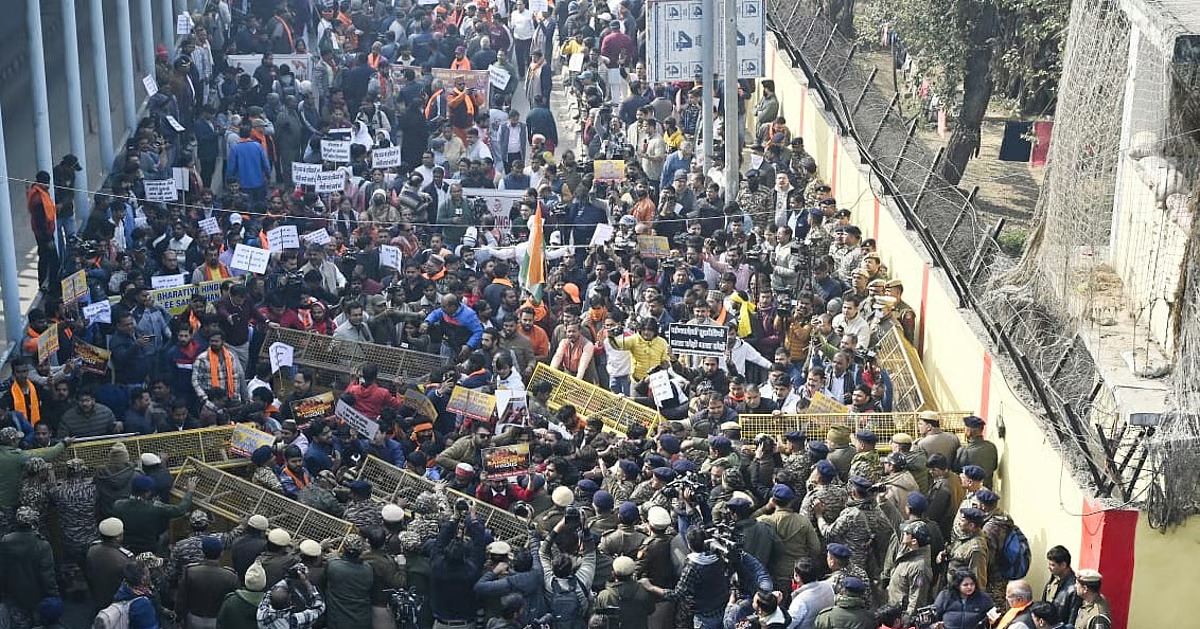
- New Delhi: VHP and Bajrang Dal activists clashed with police near the Chanakyapuri diplomatic enclave. Protesters burned effigies of Muhammad Yunus and broke through initial layers of barricades before being halted by a 1,500-strong police force.
- Kolkata: The “Hindu Hunkar Padayatra” turned violent near the Bangladesh Deputy High Commission. Police used a lathi charge to disperse crowds after they attempted to breach the mission’s perimeter.
- Mumbai & Hyderabad: Hundreds were detained during sit-ins at CSMT station and near the Charminar, with demonstrators calling for a “befitting reply” to the atrocities.
Impact on Travel and Trade
The “Cold War” has manifested in practical disruptions for citizens of both countries:
Visa Suspensions: Bangladesh has indefinitely suspended consular services in New Delhi, Siliguri, and Agartala citing security threats.
Indian Missions: India had earlier halted visa operations in Chittagong after an attempted breach by radical student groups.
Food Security: In a rare conciliatory move amidst the chaos, Dhaka approved the import of 50,000 tonnes of rice from India on Tuesday to curb rising local prices.