

 Operations.)
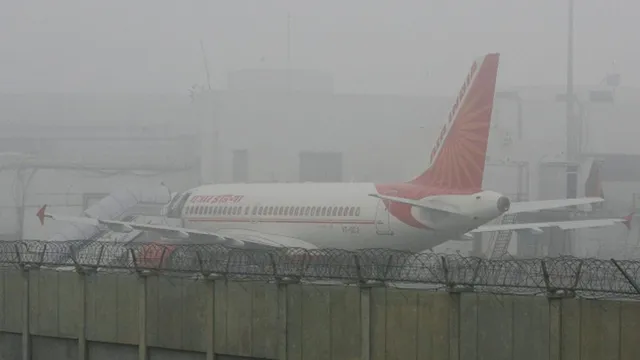
Dense fog and toxic smog have blanketed North India, triggering massive flight disruptions at major hubs including Delhi and Chandigarh. Carriers have launched assistance programs like “FogCare” as the IMD predicts severe visibility drops through late December.
December 18, 2025: A thick layer of fog reduced visibility significantly on Thursday morning, forcing Delhi’s Indira Gandhi International (IGI) Airport to implement Low Visibility Procedures (LVO). Operations moved to CAT III conditions, a high-precision instrument landing system that allows specially certified aircraft and crews to land in visibility as low as 50 meters.
While CAT III enables continued operation, it often slows down the frequency of take-offs and landings, leading to a cascading effect of delays and cancellations.
Airlines Respond: “FogCare” and Travel Advisories
In response to the disruptions, major domestic carriers released urgent advisories for passengers:
- Air India: Activated its ‘FogCare’ initiative, which proactively identifies flights likely to be affected by the weather. Passengers receive mobile alerts and are offered complimentary rescheduling (within a 72-hour window) or a full refund without penalty.
- IndiGo: Confirmed several cancellations, particularly for flights to and from Chandigarh, to prioritize safety. The airline urged travelers to allow extra travel time due to slow-moving road traffic.
- SpiceJet: Warned that all departures and arrivals in Delhi may be affected and requested passengers to monitor their flight status on the official website before heading to the terminal.
IMD Forecast: Fog to Persist
The India Meteorological Department (IMD) has warned that the “fog window” (officially Dec 10 – Feb 10) is now in full effect.
| Dates | Predicted Fog Intensity |
| Dec 18, 20, 23 | Shallow to Moderate Fog |
| Dec 21 – 22 | Moderate to Dense Fog |
The weather agency noted that visibility could drop below 50 meters in isolated pockets during the early morning hours, particularly as the persistent toxic smog continues to mix with atmospheric moisture.