


Why April 13 Is One of the Most Important Dates in North India: History, Culture & Celebration
📅 April 13: A Day That Combines Festival, Faith, and Freedom in North India
In India’s cultural calendar, few dates are as emotionally, historically, and spiritually loaded as April 13—especially for people living in North Indian states like Punjab, Haryana, Uttar Pradesh, Delhi, and parts of Rajasthan.
From vibrant harvest festivals and Sikh religious observances to a dark chapter in India’s freedom movement, April 13 serves as a powerful reminder of India’s rich traditions and turbulent past.
Let’s understand why April 13 is such an important date in North India and how it continues to shape modern Indian identity.
🌾 1. Baisakhi – North India’s Biggest Harvest Festival
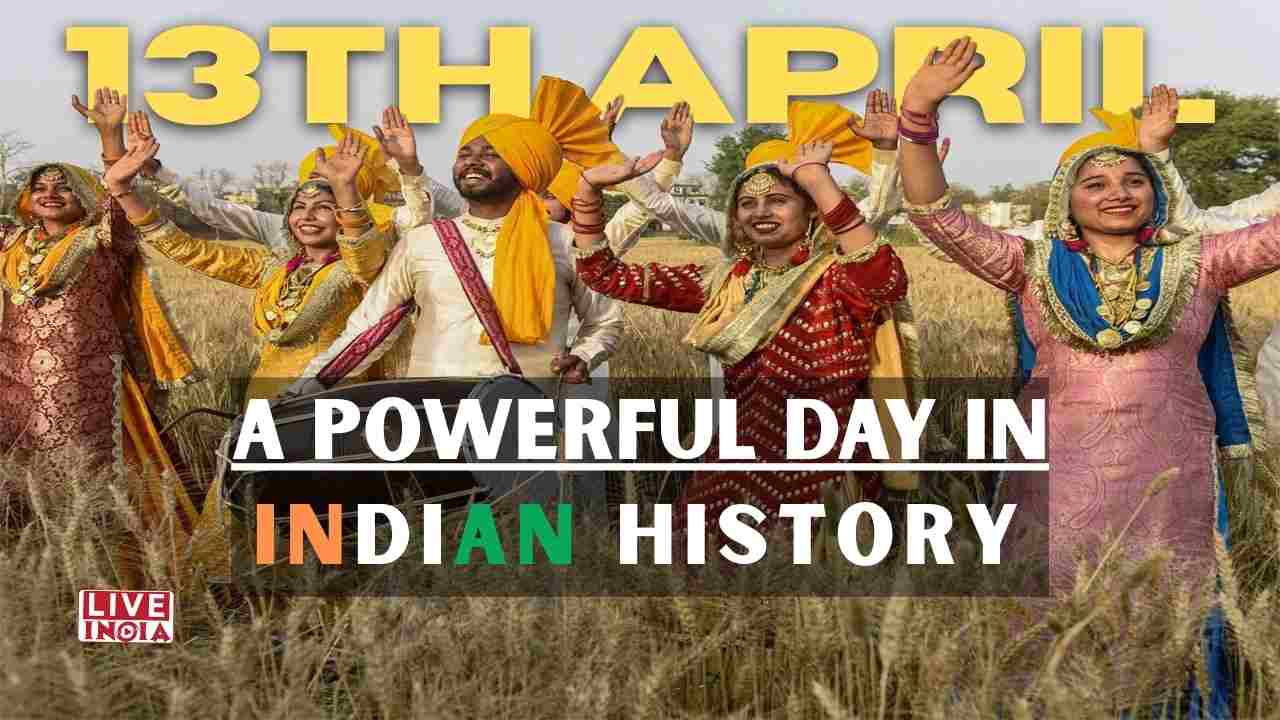
The most prominent celebration on April 13 is Baisakhi, a joyous harvest festival celebrated by farmers across Punjab, Haryana, and Western UP.
- It marks the harvest of the Rabi crop, especially wheat, which is vital to North India’s agrarian economy.
- Farmers thank nature and the divine for a bountiful harvest.
- Villages and towns come alive with Bhangra, Gidda, fairs, processions, and colorful attire.
- Gurudwaras host community meals (Langars) and serve as the spiritual center of celebration.
🛐 2. Khalsa Sirjana Diwas – The Spiritual Significance for Sikhs
April 13 also marks Khalsa Sirjana Diwas (Khalsa Foundation Day), a day of immense spiritual significance for the Sikh community.
On Baisakhi in 1699, Guru Gobind Singh Ji, the tenth Sikh Guru, established the Khalsa Panth at Anandpur Sahib. This event transformed Sikhism into a community of saint-soldiers committed to justice, equality, and service.
- The Guru initiated the Panj Pyare (Five Beloved Ones) and laid the foundation for the distinct Sikh identity.
- The day is celebrated with massive religious processions, Amrit Sanchar (baptism rituals), and kirtans across major cities like Amritsar, Ludhiana, Patiala, and Delhi.
🕊️ 3. Jallianwala Bagh Massacre – A Tragic Turning Point in Indian Freedom Struggle
While April 13 brings joy, it also marks one of the darkest days in Indian history—the Jallianwala Bagh massacre of 1919.
- Thousands of unarmed civilians had gathered at Jallianwala Bagh in Amritsar on April 13, 1919, during Baisakhi, to protest against the Rowlatt Act.
- British General Reginald Dyer ordered open fire on the peaceful crowd, killing over 1,000 people and injuring many more.
- This brutal event sparked nationwide outrage and became a catalyst in the Indian independence movement.
Every year, tributes are paid to the martyrs, and the day is remembered as a symbol of colonial injustice and Indian resistance.
🗓️ 4. April 13 as the Start of Solar New Year Across India
April 13 also aligns with regional New Year celebrations in various parts of India, often based on the solar calendar:
- Nanakshahi New Year in Punjab (Sikh calendar)
- Bohag Bihu in Assam
- Puthandu in Tamil Nadu
- Vishu in Kerala
- Poila Baisakh in Bengal (usually April 14)
This makes April 13 part of a larger pan-Indian cultural renewal, signifying new beginnings, prosperity, and spiritual renewal.
🧠 Why April 13 Still Matters Today
For modern Indians—especially in the North—April 13 is not just a festival day, it’s a date layered with meaning:
- It brings families together to celebrate the land and its fruits.
- It reminds people of the spiritual roots of resistance and unity.
- It honors the sacrifices of those who gave their lives for freedom.
- It reaffirms the idea that faith, food, freedom, and culture can coexist in one meaningful celebration.
📌 Conclusion: April 13 – A Day of Celebration and Commemoration
From the fields of Punjab to the pages of Indian history, April 13 is one of the most significant dates in North India. It brings with it a celebration of life, land, and liberty, while reminding us to cherish freedom, identity, and resilience.
Whether you’re dancing to the beat of the dhol on Baisakhi, paying homage at Jallianwala Bagh, or starting afresh in the new year—April 13 lives in the heart of every North Indian.