

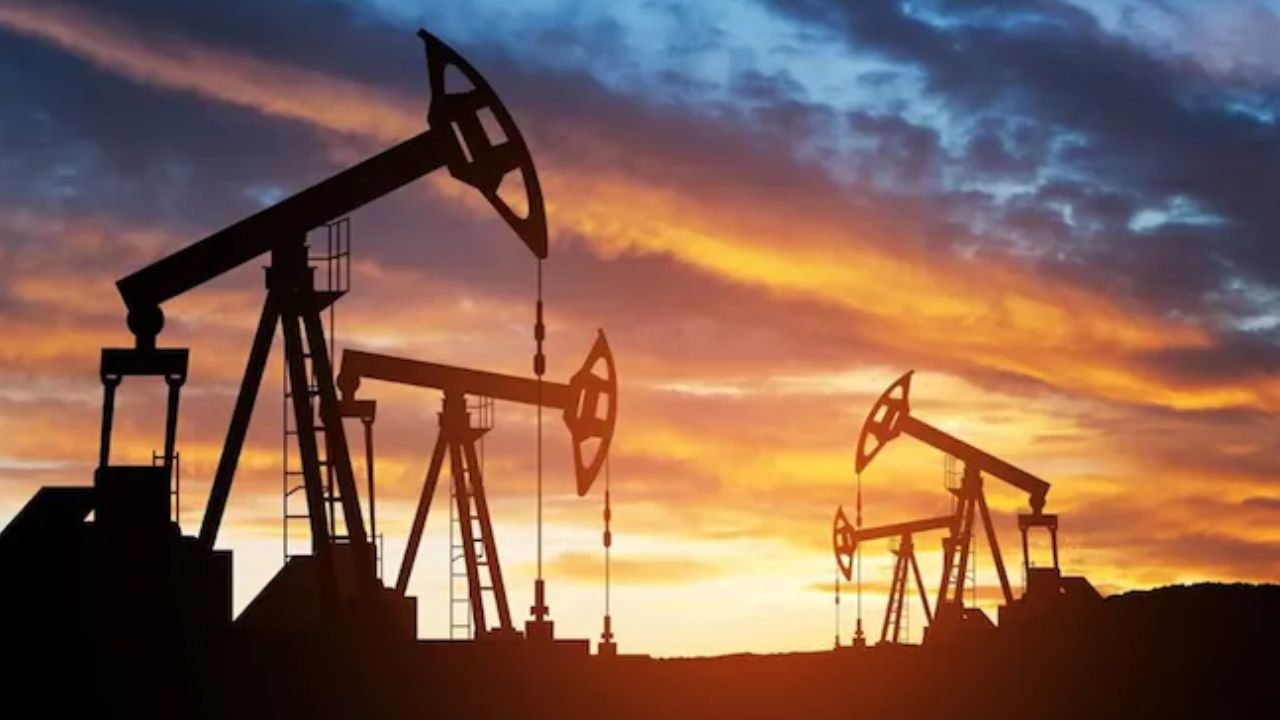


Rising crude prices and supply disruptions spark global concern over inflation and mobility limits
March 24, 2026: The ongoing conflict involving Iran has disrupted global oil flows, particularly through the Strait of Hormuz, a key route for energy supplies. Oil prices have surged past $112 per barrel, while fuel costs in the United States have touched $5 per gallon. The spike is driving up transportation expenses, making everyday goods and food more expensive worldwide. Fertiliser supply chains, also dependent on this route, are under strain, raising concerns about global food security.
The impact is already visible across sectors. United Airlines has cut flights, and other airlines are following suit as rising fuel costs make air travel expensive and less accessible. Governments in countries like Japan and South Korea have introduced fuel rationing and energy support measures. Meanwhile, nations such as Bangladesh, Philippines, and Sri Lanka are witnessing long queues at petrol stations, reflecting the growing strain on supply.
In response, the International Energy Agency has proposed a “10-point plan” to manage the crisis, drawing parallels with measures seen during the COVID-19 period. Recommendations include limiting driving days, reducing speed limits, encouraging remote work, and cutting down on air travel. While framed as energy-saving steps, such measures could potentially lead to restrictions on mobility if the crisis deepens. Countries like India, heavily dependent on oil imports through Hormuz, along with Pakistan, already facing economic stress, remain particularly vulnerable to prolonged disruptions.