
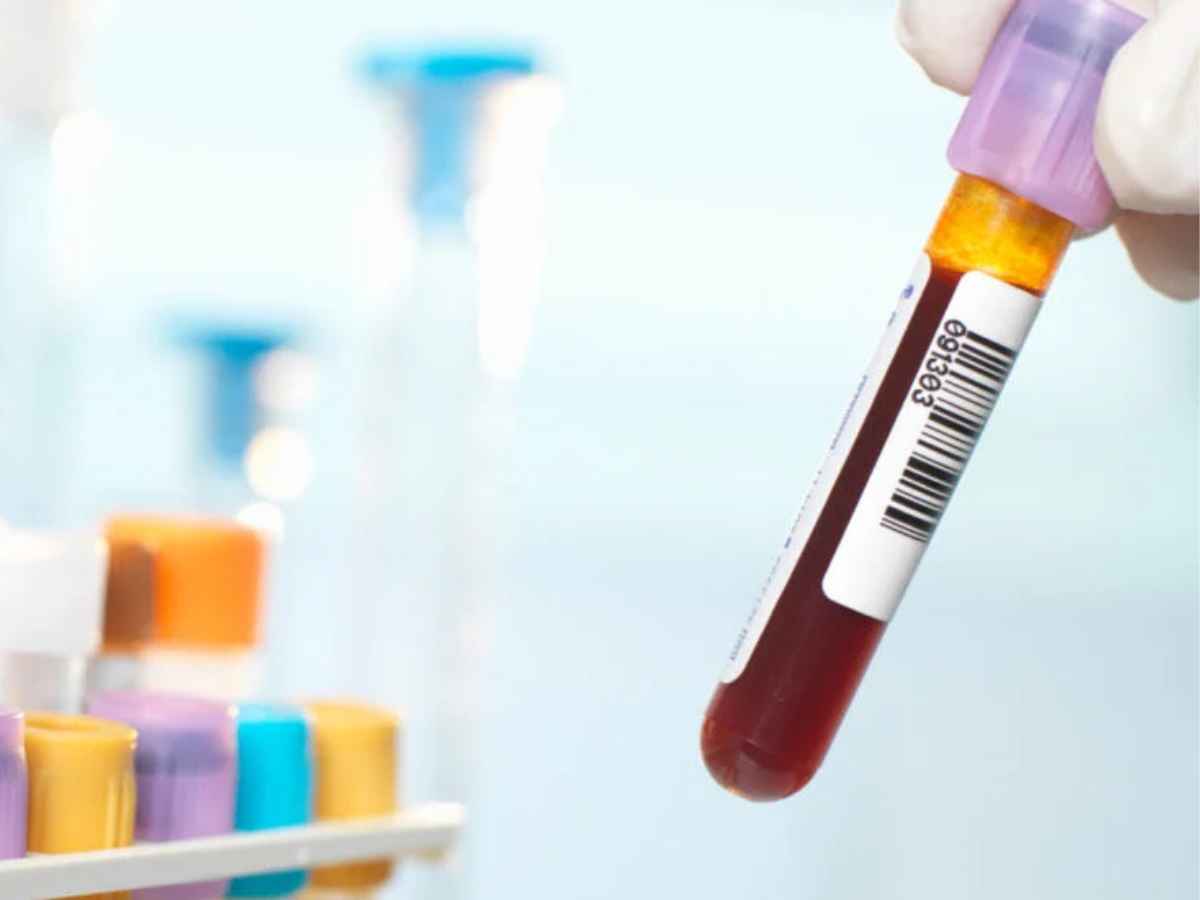


June 27, 2025: In a groundbreaking discovery that has stunned the global medical community, scientists have identified a blood group so rare that it exists in only one person on Earth. Officially named ‘Gwada Negative’, the unique blood type has now been formally recognised as the 48th blood group system by the International Society of Blood Transfusion (ISBT).
The World’s Rarest Blood Group
‘Gwada Negative’ derives its name from Guadeloupe, the Caribbean island where the sole known carrier — a 68-year-old woman — was born. The blood group belongs to the EMM-negative system, making it a medical anomaly. EMM is a high-frequency antigen found in nearly every individual, and its complete absence in this woman’s red blood cells makes her case medically extraordinary.
A Discovery 15 Years in the Making
The woman, now living in Paris, first came under the medical spotlight in 2011 during a pre-surgical blood screening. Doctors identified an antibody that did not match any known blood group at the time. Due to limitations in technology, the sample was preserved for future analysis.
It wasn’t until 2019, with the advancement of Next Generation Sequencing (NGS), that researchers at the French Blood Establishment (Établissement Français du Sang, EFS) were able to decode the sample’s mystery. Their analysis revealed the absence of the EMM antigen, confirming a previously undocumented blood group.
Why It Matters
According to Dr Thierry Peyrard, chief biologist at EFS, the woman inherited mutated genes from both parents, resulting in a blood profile so rare that she is only compatible with her own blood. No existing blood donor in the global database can safely provide a transfusion for her — a fact that raises both concern and scientific curiosity.
Broader Medical Impact
The ISBT’s recognition of ‘Gwada Negative’ at its June 2025 conference in Milan marks a significant moment in medical history. Each newly identified blood group enhances the ability to provide precision medicine, particularly for patients with complex transfusion needs or rare blood disorders.
A spokesperson for the EFS stated, “Each new blood group system strengthens our ability to provide tailored care. This discovery paves the way for more accurate diagnostics and targeted treatments.”
Looking Ahead
While the woman remains the only known individual with the ‘Gwada Negative’ blood type, researchers are urging more genetic screenings and blood studies in underrepresented regions like Guadeloupe. The hope is to identify others with similar genetic markers, improving transfusion possibilities for ultra-rare blood types.