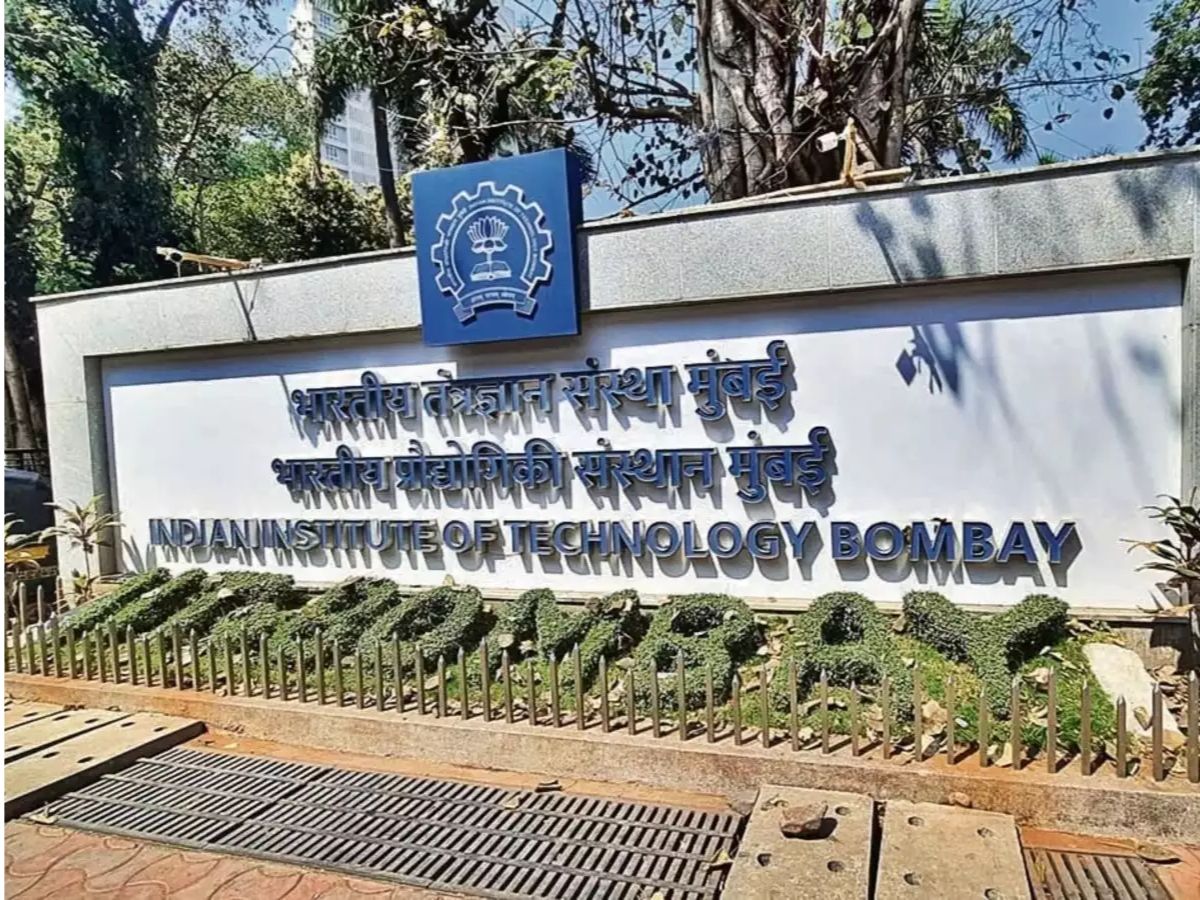
IIT Bombay Researchers Discover Bacteria That Clean Soil and Boost Plant Growth
New Delhi, January 2: Researchers from the Indian Institute of Technology (IIT) Bombay have made a groundbreaking discovery by identifying bacteria capable of consuming toxic pollutants in soil and transforming them into useful nutrients that promote plant growth, according to an official release.
The findings, published in the journal Environmental Technology and Innovation, highlight the potential of specific bacterial species to degrade harmful pollutants, improve soil fertility, and enhance plant health naturally.
The identified bacteria, primarily from the Pseudomonas and Acinetobacter genera, are adept at breaking down aromatic compounds—a group of toxic chemicals found in pesticides, herbicides, and industrial waste. These compounds can inhibit seed germination, reduce crop yield, and accumulate in plant tissues, posing significant challenges to the agriculture sector.
“These bacteria feed on pollutants, breaking them down into simpler, harmless, non-toxic compounds. In this way, they act as natural cleaners of polluted environments,” explained Prof. Prashant Phale from the Department of Biosciences and Bioengineering at IIT Bombay, who guided the research conducted by Sandesh Papade as part of his PhD study.
Traditional approaches to soil decontamination, such as chemical treatments and soil removal, are often costly and incomplete. In contrast, these naturally occurring bacteria offer a sustainable and cost-effective alternative for soil remediation.
In addition to breaking down harmful chemicals, these bacteria also:
The study suggests that the use of such bacteria could reduce reliance on chemical fertilizers and pesticides, paving the way for healthier crops and sustainable farming practices.
By harnessing the natural abilities of these bacteria, the agriculture industry can address soil contamination, improve crop yield, and support a more eco-friendly approach to farming.
This discovery is expected to have a far-reaching impact on both agriculture and environmental conservation, offering a natural solution to a persistent problem.
Filmmaker claims Ahaan Panday film resembles his 2019 YouTube short Khwaabon March 13, 2026: A…
Sun TV Network chief beats Ronnie Screwvala in Forbes 2026 billionaire ranking March 13, 2026:…
Actor recalls first seizure, diagnosis during Dangal shoot and struggles with medication March 13, 2026:…
Key figure behind 2017 FIFA U-17 World Cup in India passes away in Delhi March…
Board says it has no authority over Indian-owned franchises in foreign leagues March 13, 2026:…
Organisation says unauthorised use in films, reels and digital content may invite legal action March…