
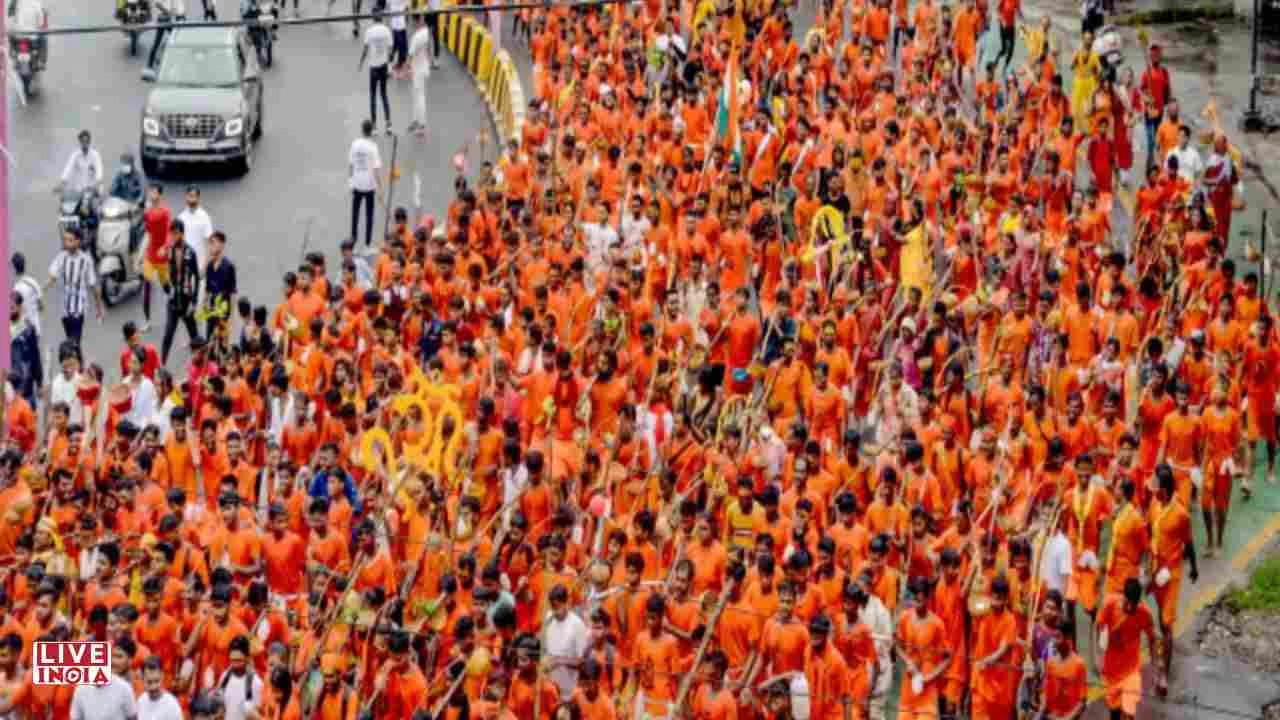


Millions of devotees embark on the Kanwar Yatra pilgrimage, a sacred journey to honor Lord Shiva and seek spiritual purification and divine blessings.
The Kanwar Yatra, a sacred pilgrimage observed by millions of devotees, known as Kanwariyas, is one of the most significant religious events in India. Occurring during the month of Shravan (July-August), the Yatra sees pilgrims traveling long distances, often on foot, to collect holy water from the Ganges River and offer it to Lord Shiva. This deeply spiritual journey is marked by rituals, physical endurance, and devotion, serving as a powerful act of devotion, self-purification, and community bonding.
Mythological Roots and Spiritual Significance:
The Kanwar Yatra draws its spiritual significance from Hindu mythology, particularly the Samudra Manthan (cosmic churning of the ocean). According to the legend, Lord Shiva consumed the deadly Halahala poison to save the universe, which turned his throat blue, earning him the title “Neelkanth.” To ease his suffering, the gods and sages offered him holy water from the Ganges. The pilgrimage is a reenactment of this act of devotion, where devotees carry the sacred Gangajal (water from the Ganges) and offer it to Shiva to express gratitude and seek his blessings.
Pilgrims believe that carrying and offering Gangajal purifies their soul, absolves their sins, and brings them closer to moksha (liberation). The journey serves as a form of austerity and penance, testing the endurance and faith of the participants while fostering spiritual growth. It also provides a chance for introspection, away from worldly distractions, allowing devotees to forge a deeper connection with the divine.
Rituals and Practices:
The Kanwar Yatra is marked by a range of rituals that emphasize devotion, austerity, and purity:
- Collection of Sacred Water: Pilgrims travel to sacred places like Haridwar, Gangotri, Gaumukh, Prayagraj, and Varanasi to collect the holy Gangajal.
- Carrying the Kanwar: The “Kanwar,” a bamboo pole with two containers of holy water, is carried on the shoulders of the devotees. The pole is never allowed to touch the ground, symbolizing the sanctity of the water.
- Saffron Attire and Barefoot Travel: Pilgrims wear saffron robes, symbolizing renunciation and purity, and many travel barefoot to show humility and penance.
- Jalabhishek (Water Offering): Upon reaching the Shiva temples, the collected Gangajal is poured over the Shiva Lingam as an offering.
- Fasting and Austerities: Devotees observe fasts, abstaining from certain foods and drinks, to purify the body and mind.
- Chanting and Devotional Atmosphere: The pilgrimage routes are filled with chants like “Har Har Mahadev” and “Bol Bam,” creating a spiritually charged atmosphere.
- Community Support: Along the journey, camps (bhandaras) are set up by volunteers to provide free food, water, medical aid, and rest for the pilgrims, fostering a strong sense of unity.
Cultural and Social Impact:
Beyond its religious importance, the Kanwar Yatra has a profound cultural and social impact:
- Cultural Heritage: The Yatra showcases India’s rich cultural heritage, with traditional music, folk dances, and regional customs, helping to preserve cultural values.
- Community Bonding: The pilgrimage fosters unity by bringing together people from all walks of life, transcending social barriers. The shared experience of the journey strengthens communal ties.
- Economic Impact: The large number of pilgrims creates a temporary economic boost for the regions along the Yatra route, with increased demand for goods, services, and local employment.
- Youth Engagement: For many young people, the Kanwar Yatra is an important rite of passage, offering them a chance to reconnect with their cultural roots and build character through sacrifice and discipline.
Modern Adaptations:
While the traditional practices of walking barefoot and wearing saffron remain strong, modern adaptations have emerged. Some pilgrims now use bicycles, motorbikes, or even vehicles for parts of the journey, though the purists still prefer walking to maintain the spiritual essence of the pilgrimage.
The Kanwar Yatra is much more than an annual religious event. It is a living tradition that embodies devotion, discipline, sacrifice, and community spirit. For millions of devotees, it is a spiritual odyssey that connects them to Lord Shiva and provides a path for inner purification and self-growth. The Yatra stands as a testament to India’s vibrant faith and cultural heritage, uniting people in their shared quest for divine blessings and spiritual fulfillment.