
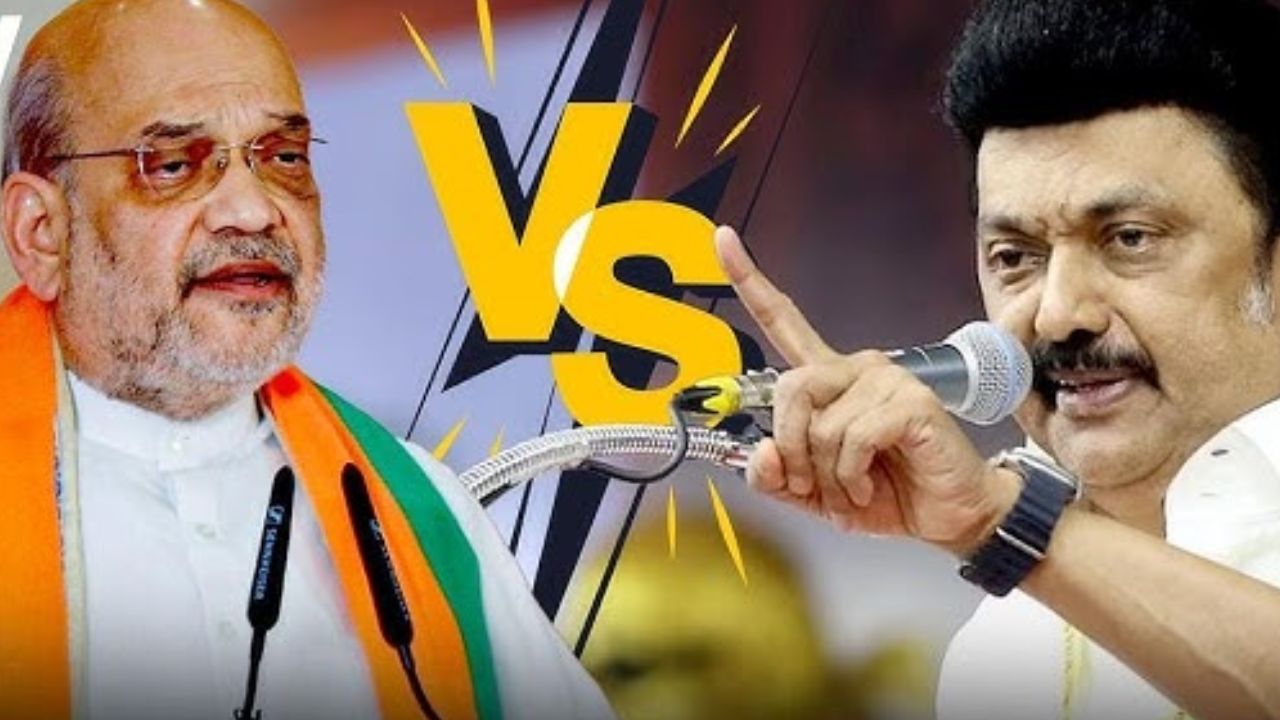


Tamil Nadu CM calls NEP’s language policy “covert Hindi push”, Centre defends it as multilingual empowerment
April 4, 2026: A fresh political row has erupted after the Central Board of Secondary Education announced the phased rollout of the three-language formula under the National Education Policy 2020. Tamil Nadu Chief Minister M K Stalin accused the Centre of “linguistic imposition” and alleged that the policy is a covert attempt to expand Hindi in non-Hindi speaking regions. He argued that the move undermines India’s linguistic diversity and questioned why similar emphasis is not placed on teaching southern languages in Hindi-speaking states.
Responding to the criticism, Union Education Minister Dharmendra Pradhan dismissed the allegations as politically motivated, calling NEP 2020 a framework for “linguistic liberation.” He said the policy prioritises mother tongue education while encouraging multilingualism, adding that learning additional languages strengthens, rather than weakens, regional identities. Pradhan also accused the Tamil Nadu government of blocking key initiatives like PM SHRI schools and Jawahar Navodaya Vidyalayas, calling it a disservice to students.
Under the revised curriculum, a third language will be introduced from Class 6 starting in 2026–27 and gradually made compulsory up to Class 10 by 2030–31, with full implementation in board exams by 2031. The framework categorises languages into three levels—R1, R2, and R3—with at least two being Indian languages. The move marks a major shift from the current two-language system and has reignited a long-standing political and cultural debate over language, federalism, and education policy in India.