


Muharram, the first month of the Islamic calendar, will be observed on 6th July 2025. Marking the beginning of the Islamic New Year, it is most sacred to Muslims, especially for remembering the martyrdom of Imam Hussain.
Muharram, derived from the Arabic word haram (meaning “forbidden”), is the first month of the Islamic lunar calendar and one of the four sacred months in Islam. The 10th day of Muharram, known as Ashura, holds immense spiritual and historical significance for Muslims worldwide, particularly the Shia community.
For Sunni Muslims, Ashura is a day to fast and reflect. According to Hadith (sayings of Prophet Muhammad), the Prophet used to fast on this day and recommended it for others. For Shia Muslims, however, Muharram is a time of mourning to commemorate the martyrdom of Imam Hussain ibn Ali, the grandson of Prophet Muhammad, at the Battle of Karbala in 680 CE (61 AH).
This tragic event is seen as a symbol of the eternal struggle against oppression and injustice, making Muharram not a celebration, but a solemn remembrance.
When Is Muharram in 2025?
In 2025, Muharram will begin at sunset on Friday, July 4, and Ashura, the 10th day, will fall on Sunday, July 6, 2025, depending on the moon sighting in different parts of the world.
Historical Background: The Martyrdom of Imam Hussain
The martyrdom of Imam Hussain and his 72 companions in Karbala (present-day Iraq) marks the central historical and emotional event during Muharram. Refusing to pledge allegiance to the tyrannical ruler Yazid, Imam Hussain stood for justice and was brutally killed after being denied water for days in the scorching desert.
His sacrifice is seen as a profound act of defiance against tyranny and a commitment to uphold Islamic values and human rights. It remains a moral and spiritual compass for millions.
How Is Muharram Observed?
The way Muharram is observed varies significantly between cultures and sects but remains deeply spiritual and reflective. Here’s how different communities mark the day:
1. Mourning and Majlis (Gatherings)
- Shia Muslims hold majlis (mourning gatherings), where religious scholars recount the events of Karbala, preach lessons from Imam Hussain’s stand, and recite elegies (marsiyas and nohas).
- These gatherings are held in homes, mosques, and Imambargahs, often with public processions.
2. Processions and Passion Plays
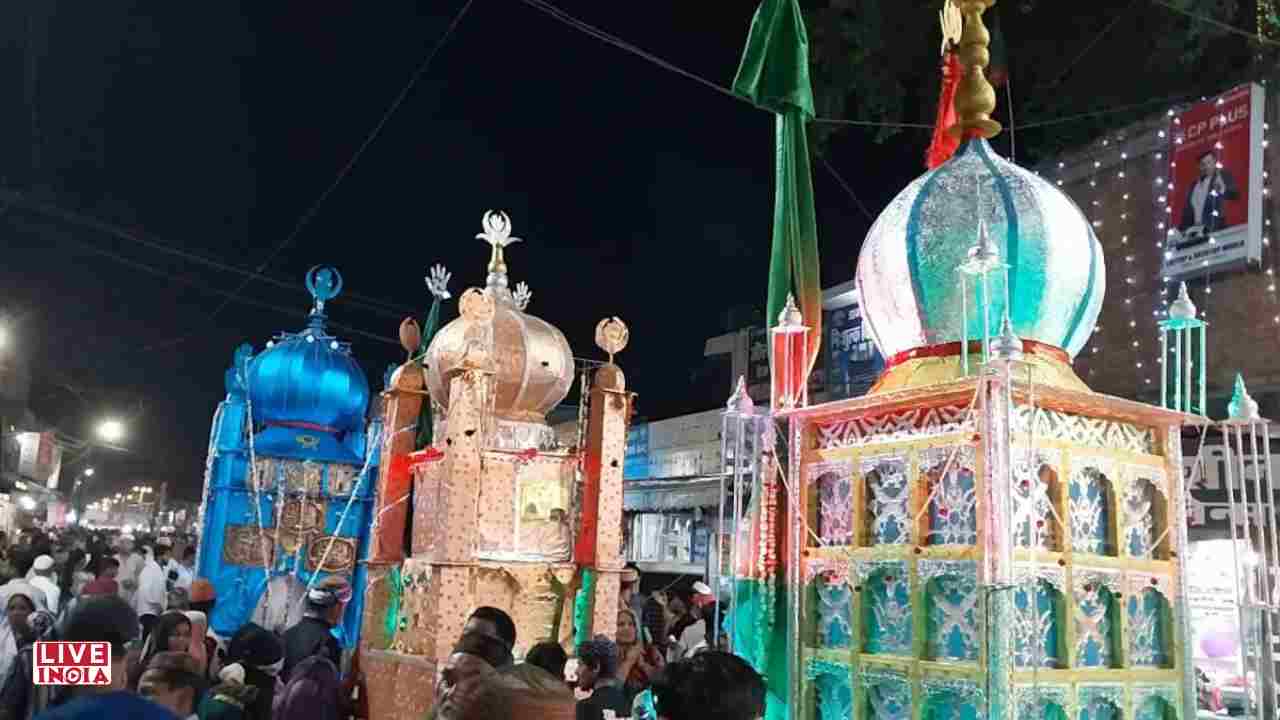
- Tazia processions — symbolic representations of Imam Hussain’s tomb — are carried through the streets, especially in countries like India, Pakistan, Iraq, Iran, Lebanon, and Bahrain.
- In some cultures, Ta’ziya plays (re-enactments of the Battle of Karbala) are performed to remind people of the sufferings endured.
3. Fasting
- Sunni Muslims often observe a voluntary fast on the 10th of Muharram, known as Ashura. Some also fast on the 9th and 11th days, following the practice of the Prophet Muhammad.
4. Charity and Good Deeds
- It’s also a time for charitable acts, distributing food and water (known as niyaz and sabeel) in memory of the thirst and suffering of Karbala’s martyrs.
- In many regions, blood donation drives are organized in symbolic tribute to Imam Hussain’s ultimate sacrifice.
Muharram 2025 in India and Around the World
In India, where both Shia and Sunni Muslims actively observe the day, July 6, 2025 will be marked by public processions, mournful recitations, and security arrangements in major cities to manage gatherings.
Globally, cities like Karbala in Iraq, Tehran in Iran, Beirut in Lebanon, and Lahore in Pakistan will witness millions of devotees commemorating Ashura with processions and majlis, often walking long distances to pay homage at shrines.
Government and Traffic Arrangements
Given the scale of observance, especially in major urban centers, local authorities in cities like Delhi, Mumbai, Lucknow, Hyderabad, and Srinagar are already rolling out traffic advisories and security protocols to ensure peaceful gatherings.
Cultural and Religious Impact
The story of Karbala transcends religion — often cited in literature, poetry, art, and interfaith discussions as a symbol of the human spirit’s resistance against oppression. Leaders across religions have drawn inspiration from Imam Hussain’s courage and sacrifice.
Conclusion
Muharram is not a festival, but a reminder of sacrifice, justice, and resilience. As the world marks Muharram 2025 on July 6, it is an opportunity for reflection — not just for Muslims, but for anyone who believes in standing up against tyranny and holding on to one’s principles, even in the face of certain death.