Quake Storm from Jhajjar Jolts Delhi—What’s Triggering It?
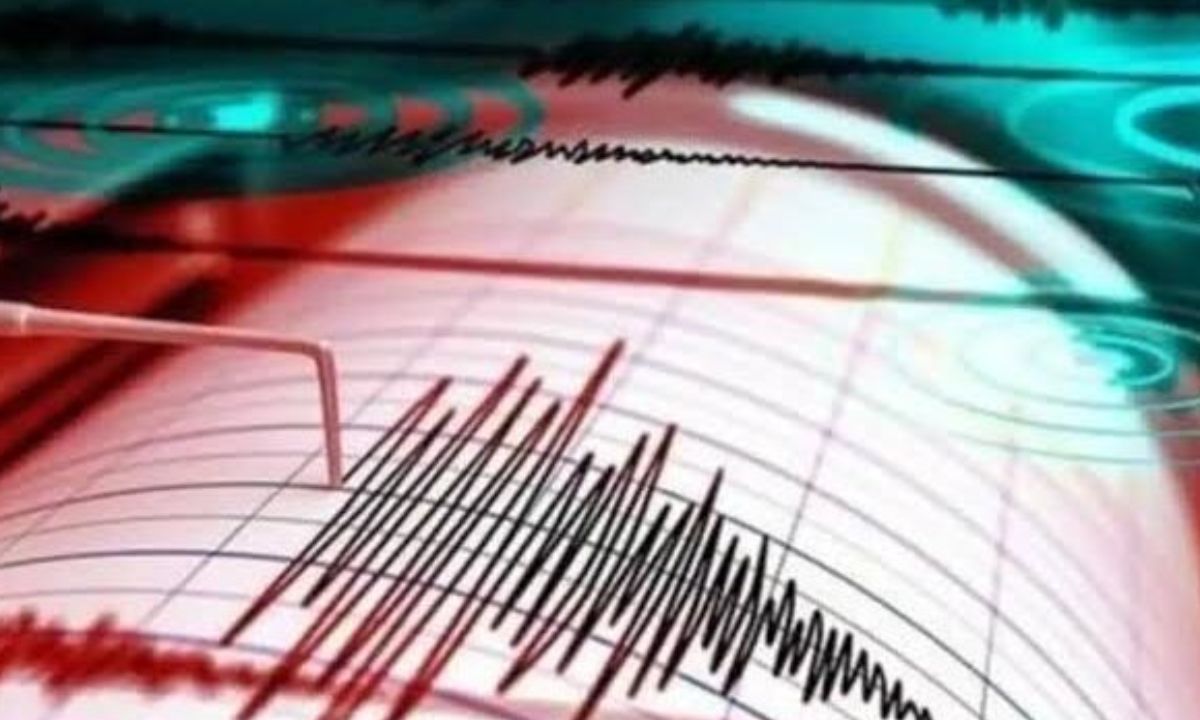
July 11, 2025: Tremors were once again felt across Delhi and the National Capital Region (NCR) on Friday evening as Haryana’s Jhajjar district recorded its second earthquake in just 24 hours. According to the National Center for Seismology (NCS), the 3.7 magnitude quake storm at 7:49 pm at a depth of 10 kilometres. A day earlier, on Thursday morning at 9:04 am, a stronger 4.4 magnitude tremor had hit the same region, causing brief panic among residents.
Also Read: Back-to-Back Earthquakes Rattle Delhi-NCR, Epicentre in Jhajjar Again
Experts say aftershocks like these are common and typically weaker than the main quake. Though unsettling, they are seen as a positive sign of gradual energy release, which helps reduce the chances of a larger, more destructive earthquake.
Why Delhi-NCR Shakes Frequently
The Delhi-NCR region lies atop several active geological fault lines, making it seismically sensitive. These include the Mahendragarh-Dehradun Fault (MDF), Delhi-Haridwar Ridge (DHR), Delhi-Sargodha Ridge (DSR), Delhi-Moradabad Fault, Sohna Fault, Mathura Fault, and the Reverse Fault (F1).
The region is influenced by both local geological shifts and distant Himalayan tectonic movements. The Mahendragarh-Dehradun Fault, one of the most critical, connects Haryana’s Mahendragarh to Uttarakhand’s Dehradun, slicing through high-density population zones — including the capital.
The powerhouse duo of Neena Gupta and Sanjay Mishra has returned to the silver screen…
Actor says film targets a flawed character, not the Brahmin community, as makers pull promotions…
Women accuse Lalitpur resident of serial marriages, dowry fraud and abandonment February 6, 2026: A…
In a significant development for the upcoming Netflix film Ghooskhor Pandat, lead actor Manoj Bajpayee…
In a revelation that has added a heroic layer to Royal Challengers Bengaluru's (RCB) historic…
Mayor Zohran Mamdani, currently in the first 100 days of his historic term, spoke out on Wednesday,…