

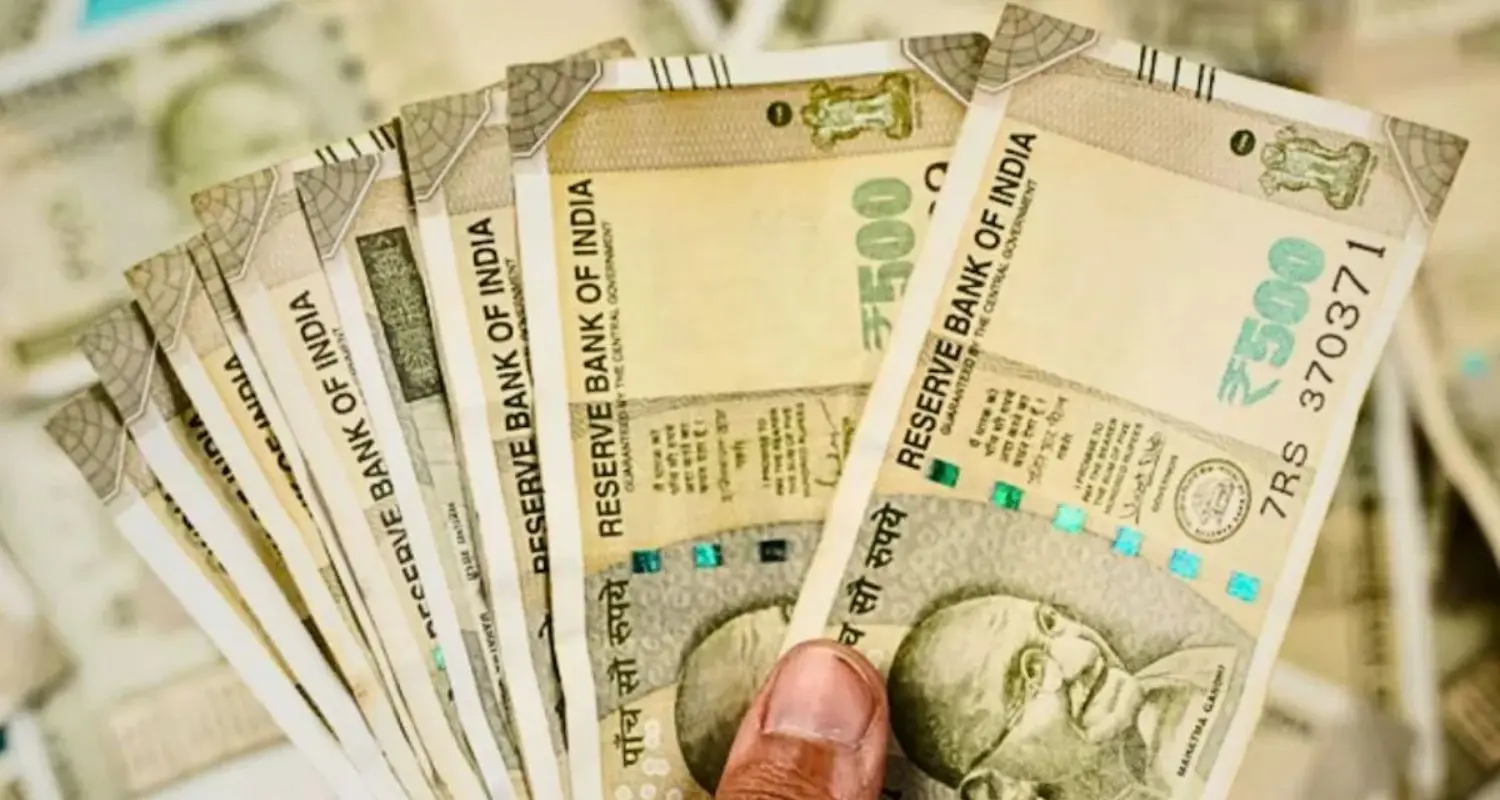


The Indian rupee suffered its steepest slide of 2026 on Friday, January 23, crashing to a fresh record low of 91.81 against the US dollar. The currency’s downward spiral was triggered by a surge in dollar demand from local importers and corporate houses, which overwhelmed early gains and left the rupee vulnerable to aggressive global headwinds.
The fall marks a 5.3% decline for the rupee so far this year, placing it on track for its worst annual performance since 2022.
The Mid-Day Crash: From Gains to Record Lows
The trading session began on a surprisingly positive note, with the rupee opening stronger at 91.43 following a brief softening of the US Dollar Index. However, the optimism was short-lived:
- The Pivot: By mid-day, sentiment shifted as major importers rushed to buy dollars to settle immediate overseas obligations through private sector banks.
- The Record: The currency eventually breached the previous all-time low of 91.74 (set on Wednesday), settling at 91.81—a 0.2% intraday drop.
- RBI’s Stance: Market observers noted a distinct lack of active spot-market intervention from the Reserve Bank of India (RBI) during the slide, though the central bank remains a key player in the currency swap markets.
Macro Headwinds: The “50% Tariff” Factor
The primary catalyst for the rupee’s sustained weakness is the escalating trade friction with Washington.
- Staggering Tariffs: The US has imposed a massive 50% tariff on Indian exports, the highest currently levied on any major Asian economy. This has significantly stifled dollar inflows from key sectors like textiles and gems.
- Trade Stalemate: Negotiations for a new India-US trade deal have stalled over Washington’s demands for dairy access and India’s continued energy ties with Russia.
- Treasury Sell-off: To defend the currency, the RBI has reduced its US Treasury holdings to a five-year low of $174 billion, liquidating these assets to purchase rupees and manage the pace of depreciation.
What Lies Ahead?
With the Union Budget 2026 less than two weeks away, the government faces immense pressure to announce export-friendly measures. Currency traders warn that if global risk aversion continues and the trade deal remains elusive, the 92.00 level could soon be tested.