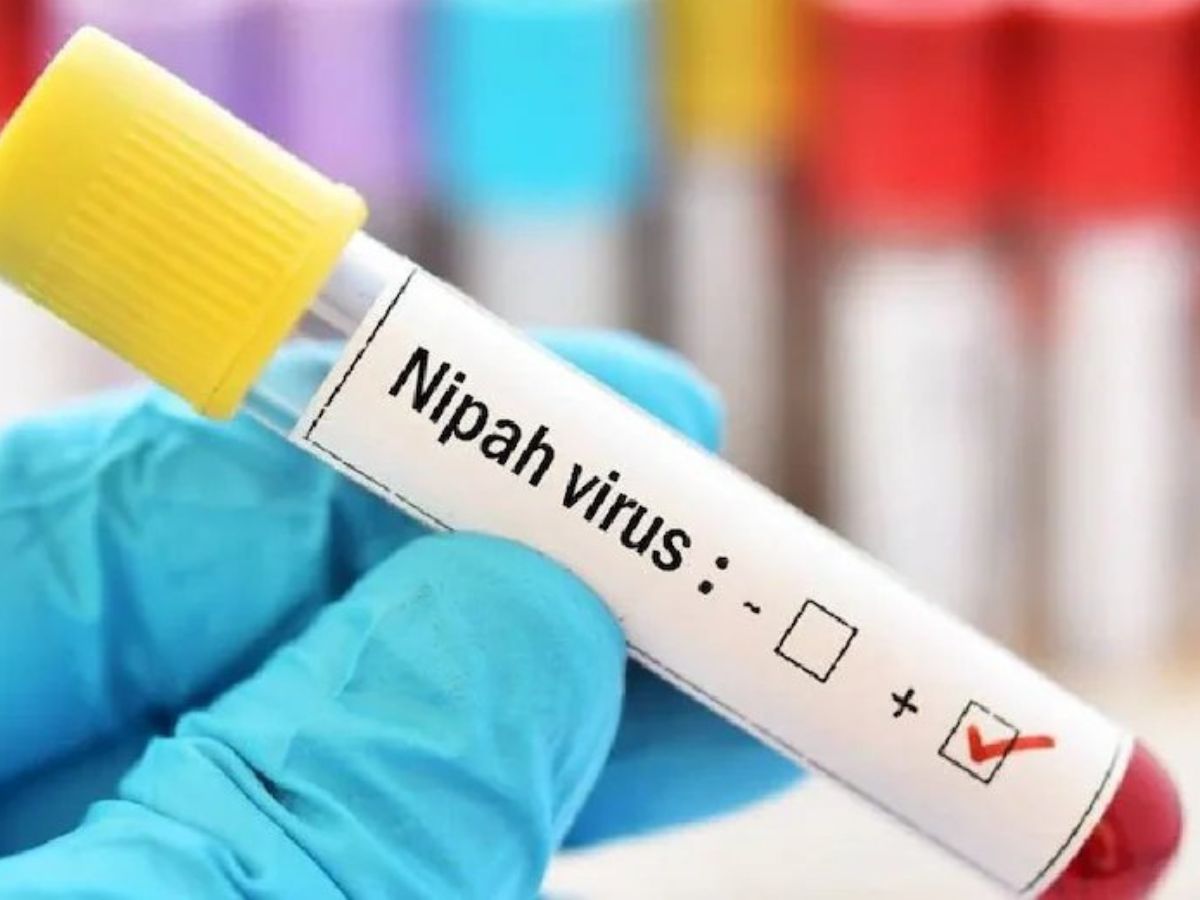
Nipah Virus In Kerala: Here Are Signs And Symptoms
July 6, 2025: The Kerala Health Department has heightened surveillance and issued alerts across multiple districts after two fresh cases of the deadly Nipah virus were confirmed—one resulting in a fatality. The cases were reported from Kozhikode and Malappuram, with over 345 people identified in the contact list, State Health Minister Veena George confirmed.
The samples were tested and verified by the National Institute of Virology (NIV) in Pune. The government has issued an alert for Kozhikode, Malappuram, and Palakkad districts and has urged the public to follow strict precautions.
With the monsoon season in full swing, health officials are emphasizing the need for vigilance as environmental factors increase the risk of zoonotic transmission. The monsoon brings increased fruiting, which attracts fruit bats—known carriers of the Nipah virus—closer to human habitation. Moisture-related fruit spoilage also makes fruits more appealing to bats, increasing the risk of contamination.
Officials advise avoiding partially eaten or bird-pecked fruits, washing all fruits thoroughly, and practicing rigorous hand hygiene. Public is urged to limit hospital visits in affected regions to reduce exposure risk.
Nipah is a zoonotic virus, primarily transmitted from animals to humans—most often from fruit bats through contaminated fruit or raw date palm sap. Human-to-human transmission occurs through close contact, particularly through bodily fluids, saliva, and respiratory droplets. Health workers and caregivers are particularly at risk without proper protection.
Unlike airborne viruses like COVID-19, Nipah requires close physical contact for transmission, making isolation of suspected cases and use of masks in high-risk areas critical.
Dr. Rakesh Gupta, senior consultant at Indraprastha Apollo Hospitals, pointed to larger ecological changes. “With global warming, changes in wildlife behavior, and shifts in human lifestyles, such viruses may continue to pose a risk, making constant monitoring essential,” he said.
Kerala’s robust disease surveillance system has been crucial in early detection and containment of outbreaks in the past. Officials remain hopeful that with public cooperation, the current situation can be brought under control quickly.
Freedom fighter and Communist leader dies at 101 in Chennai February 25, 2026: Veteran Communist…
CM assures strict action after Malviya Nagar incident targeting Northeast women February 25, 2026: Delhi…
Vigilance raid on senior mining official marks biggest recovery in state history February 25, 2026:…
PM to address Knesset, deepen strategic partnership with Netanyahu February 25, 2026: Prime Minister Narendra…
Nitin Nabin hits back at Rahul Gandhi over ‘compromised’ remark February 25, 2026: The political…
Actor visits Vrindavan, attends Premanand Maharaj’s discourse February 25, 2026: Bollywood actor and model Poonam…