
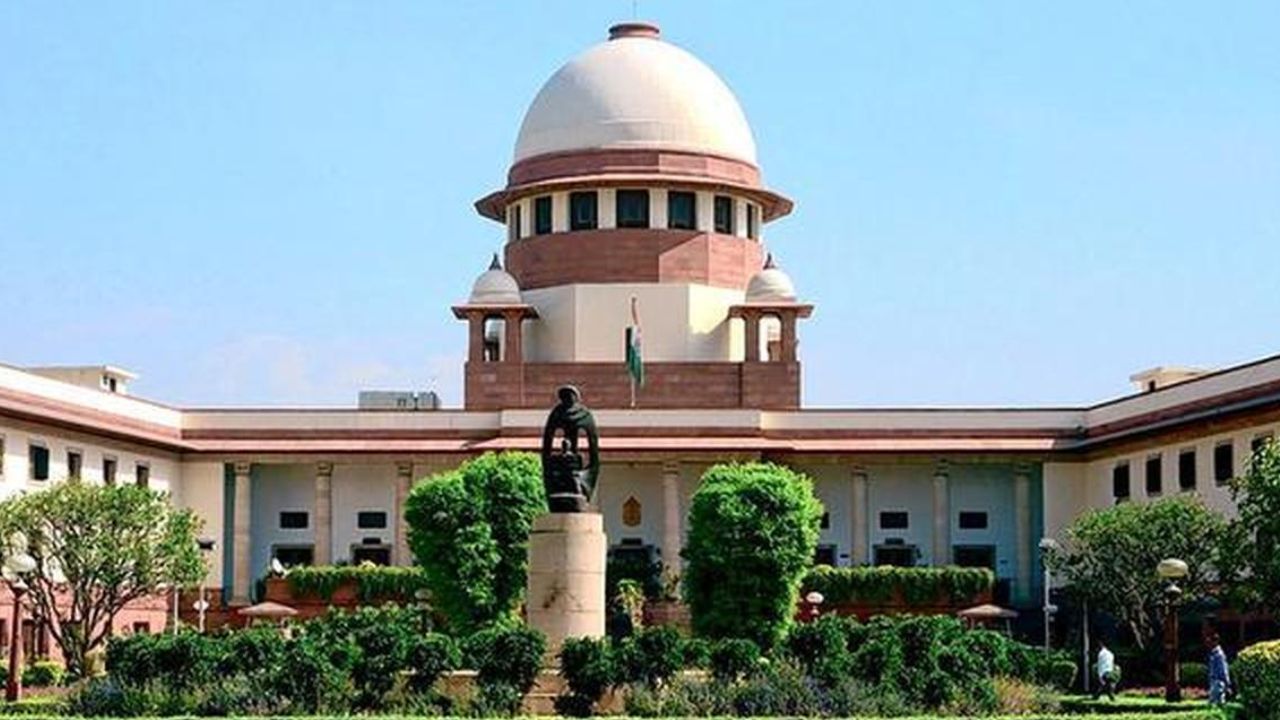


Top court reiterates that voting and contesting elections are governed by law, not guaranteed as fundamental rights.
April 11, 2026: The Supreme Court of India has reaffirmed that the right to vote and the right to contest elections are not fundamental rights but statutory entitlements. A bench comprising Justice BV Nagarathna and Justice R Mahadevan observed that these rights exist only to the extent defined by law. The court clarified that while voting enables participation in the democratic process, the right to contest elections is a separate privilege that can be regulated through eligibility conditions and disqualifications.
The ruling came in a case related to election rules for district milk producers’ cooperative unions in Rajasthan, governed under the Rajasthan Co-operative Societies Act, 2001. Certain bye-laws had set criteria such as minimum milk supply, operational status, and audit compliance for candidates. These were challenged in the Rajasthan High Court, which struck them down. However, the Supreme Court disagreed, holding that the rules only defined eligibility and did not violate constitutional principles. It also noted that cooperative societies generally do not fall under “State” as per Article 12, limiting judicial interference in such matters.
The court further highlighted that electoral rights stem from laws like the Representation of the People Act, 1950 and the Representation of the People Act, 1951, which define voter eligibility, candidacy, and disqualifications. Similar frameworks apply to local bodies and cooperative institutions. The judgment underlines that while these rights are essential to democracy, they remain subject to reasonable legal conditions, and courts intervene only when such rules breach constitutional guarantees like equality.