


Article 142 invoked to secure EWS admission for NEET-qualified student
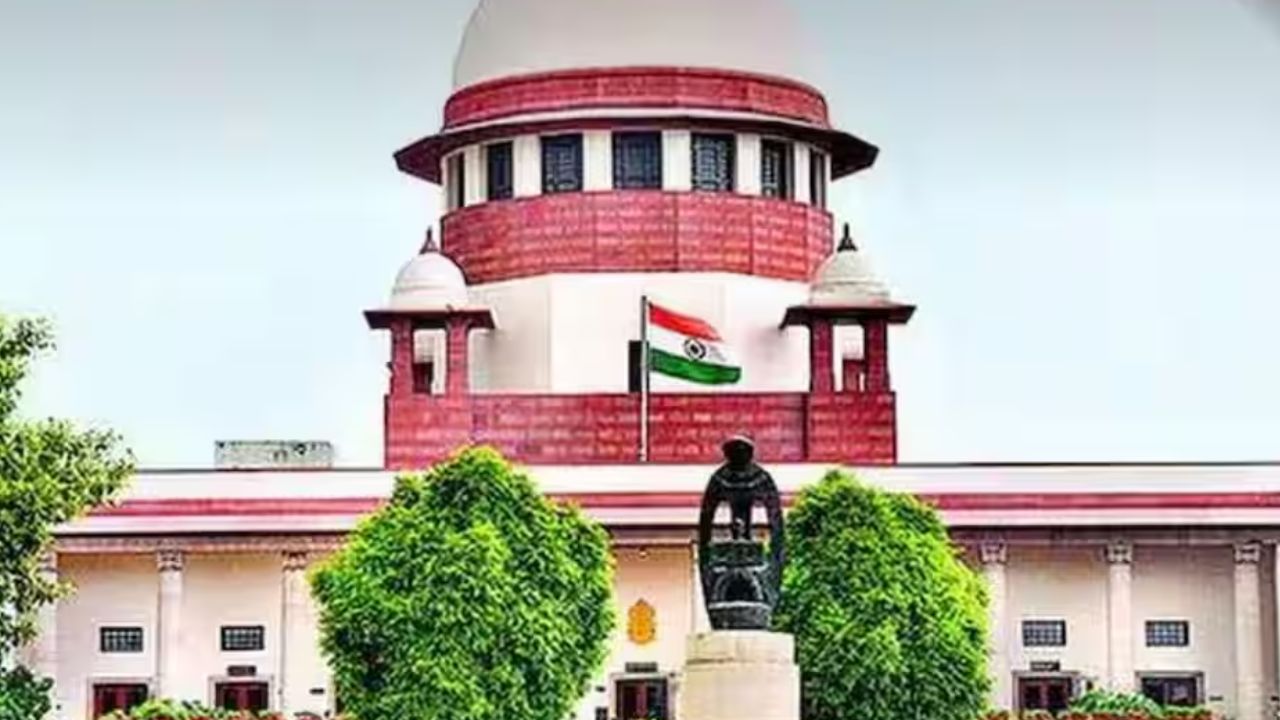
February 14, 2026: In a dramatic moment inside the Supreme Court of India, 19-year-old Atharva Chaturvedi from Jabalpur persuaded the bench led by Chief Justice Surya Kant to grant him ten additional minutes to present his case — a request that proved decisive. Invoking its extraordinary powers under Article 142 of the Constitution, the apex court directed the National Medical Commission and the Madhya Pradesh government to grant provisional MBBS admission to eligible NEET-qualified candidates from the Economically Weaker Section (EWS). For Atharva, the order revived a medical dream that had nearly been derailed.
Atharva had secured 530 marks in the National Eligibility cum Entrance Test (NEET) after appearing twice and had also cleared engineering entrance exams before choosing medicine. However, despite qualifying, he was denied admission under the EWS quota in private medical colleges because Madhya Pradesh had not extended EWS reservations to such institutions. The absence of a formal notification effectively blocked his admission, a gap the court later observed should not penalise a student for administrative lapses.
Determined not to give up, the teenager drafted and filed his own Special Leave Petition after studying procedures on the Supreme Court website and addressing registry objections. When the matter came up for hearing, he personally argued for relief. The court’s decision to exercise Article 142 powers ensured provisional admission for candidates like him, marking not just a personal triumph but a significant intervention in favour of equity in medical admissions.