UPI Is India’s Digital Backbone — Not a Gateway for Private Profits
UPI Isn’t Just a Payment Tool — It’s the Spine of India’s Digital Economy
India’s Unified Payments Interface (UPI) has done more than just digitize transactions — it has reimagined trust at scale. Seamless, instant, and free, UPI has become the invisible infrastructure powering everyday India — from bustling city malls to remote village mandis. But today, that trust stands at a crossroads.
Built as a public digital utility, UPI operates with zero cost to users and merchants — a deliberate policy that removed friction and catalyzed mass adoption. It wasn’t private disruption, but public innovation, that helped India leapfrog richer nations in real-time payments. Now, a proposal to reintroduce Merchant Discount Rates (MDR) threatens to unravel years of hard-won progress.
The UPI story isn’t about transactions — it’s about transformation. From just 0.4 billion transactions in 2016, UPI now powers over 15 billion transactions monthly in 2025. The average payment? Around ₹600. From chai stalls to vegetable vendors, Indians embraced UPI not just for its convenience, but because it made digital trustworthy and free. Even a ₹1 charge would have killed this momentum. In contrast, countries like the US still struggle with card MDRs of 1.5–3%, dissuading small merchants from going digital.
Reintroducing MDR — even if only for merchants with turnover above ₹40 lakh — sets a dangerous precedent. Larger merchants may pass the cost onto customers or return to cash. Smaller businesses may underreport income. A decade of behavior change risks slipping away.
The push for fees comes at a time when three payment brands dominate over 85% of UPI transactions, two of which are foreign-owned. The 30% market cap proposal by NPCI has already been diluted and delayed — potentially to 40%. In such a concentrated market, reintroducing fees hands more power to dominant players, who can afford to subsidize or distort pricing to expand their hold.
But why did private platforms flock to UPI in the first place if it was fee-free? The answer: user acquisition. UPI was a hook — the gateway to monetization through credit, insurance, commerce, and advertising. Charging for UPI now is a classic bait-and-switch: using public infrastructure to build private ecosystems, then charging to retain users.
India already spends ₹1,500 crore a year to support UPI — a strategic investment, not a subsidy. The marginal cost of digital transactions is trivial when compared to the massive benefits of financial velocity, transparency, and inclusion. Unlike the West, where private capital built walled gardens, India built a digital commons.
Brazil’s Pix is a similar model: fast, low-cost, decentralized, and inclusive. The US, on the other hand, remains fragmented and fee-heavy. India has already done the hard part — laying the rails, nurturing trust, and onboarding millions. Now is not the time to introduce friction.
If the goal is sustainability, don’t tax trust. Instead:
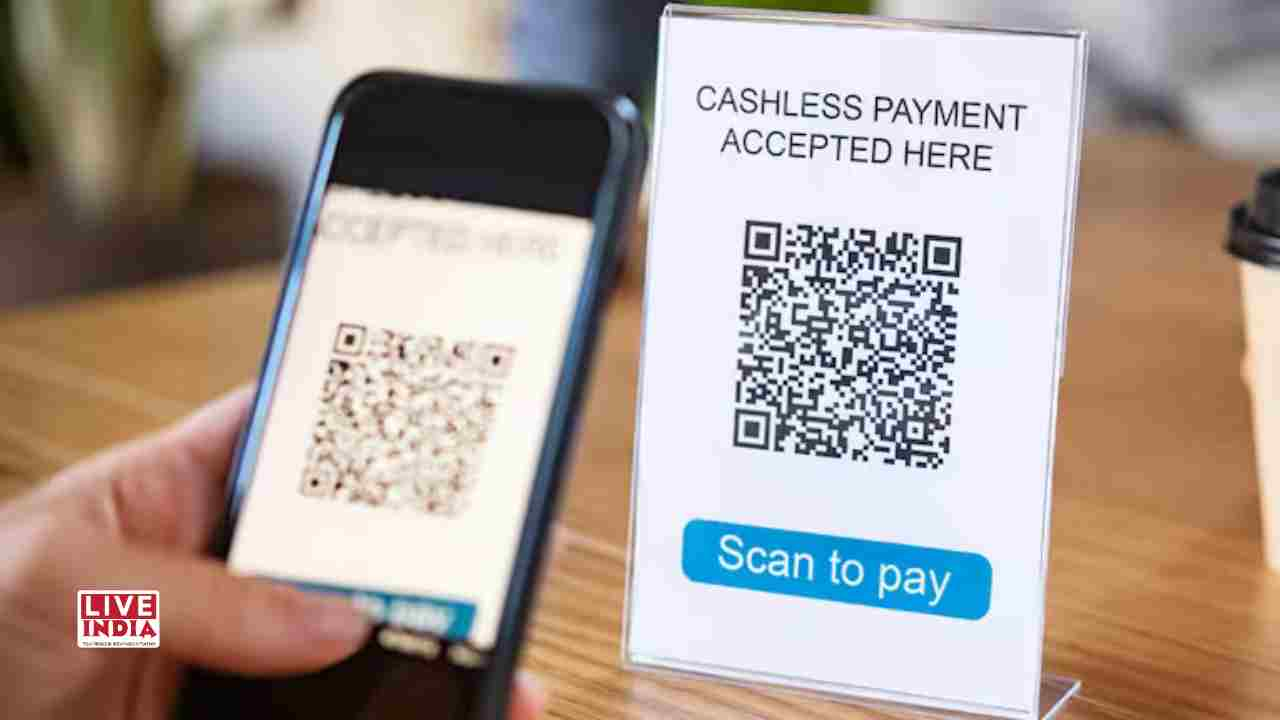
UPI isn’t just about payments. It’s about nation-building. The QR code on a kirana counter is not just a transaction — it’s a symbol of trust. Let’s not break it now.
Bahrain says it intercepted dozens of missiles and drones amid escalating Iran conflict March 6,…
Parties direct Lok Sabha members to attend Parliament as Budget Session resumes on March 9…
Congress leader tells students public life demands resilience, values and readiness to face hardships March…
In traditional Indian medicine, immunity is deeply connected with overall body balance. According to Ayurveda,…
After the vibrant celebrations of Holi, many people are left dealing with colour stains, dryness,…
Think tank analysis highlights soaring military expenses as conflict enters its first week March 6,…