
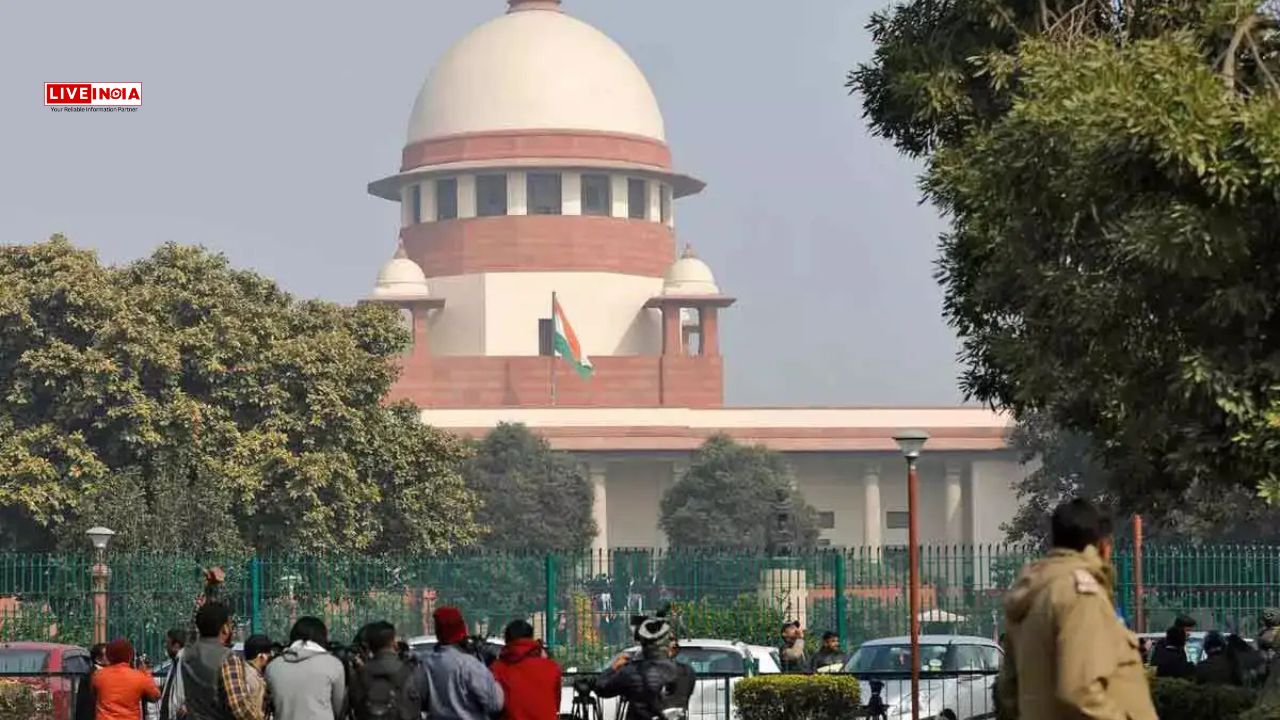


The Supreme Court, while hearing over 70 petitions against the Waqf Amendment, identified key concerns regarding property rights, board composition, and administrative authority under the revised law.
🗓️ April 17, 2025 | During a landmark hearing on the newly amended Waqf Act, the Supreme Court of India, led by Chief Justice Sanjiv Khanna, raised three major concerns that may influence the court’s future rulings or interim orders. The Waqf Act is being challenged for allegedly violating Articles 25 and 26 of the Constitution that safeguard religious freedoms.
⚖️ 3 Key Concerns Raised by the Supreme Court
1️⃣ Status of ‘Waqf by User’ Properties
- Issue: The amended Act allows the de-notification of properties previously declared as Waqf by courts.
- SC Observation: “Properties declared as Waqf by courts, whether ‘Waqf by user’ or by declaration, must not be de-notified or treated as non-Waqf properties.“
- Implication: Aimed at protecting judicial sanctity and preventing retrospective loss of Waqf status for properties with prior court recognition.
Also Read: NHRC Sends Team to Murshidabad After Deadly Protests Over Waqf Act
2️⃣ Collector’s Power to Block Waqf Status During Investigation
- Issue: Under the amended law, properties under investigation by a district collector cannot be considered Waqf until a final decision.
- SC Observation: “Is it fair that even without a decision, Waqf status is frozen during inquiry? The proviso should not be given effect to.“
- Interim Guidance: Collectors can continue inquiries, but the provisional freeze won’t apply unless the court modifies it upon request.
3️⃣ Inclusion of Non-Muslims in Waqf Boards and Central Council
- Issue: The current composition allows non-Muslim members on Waqf governance bodies.
- SC Observation: “Do you allow Muslims on Hindu endowment boards? Be honest.” “Ex-officio members may be of any faith, but nominated members must be Muslims.“
- Rationale: Ensuring community representation and religious autonomy in Waqf administration.
⏳ What’s Next?
The bench has not yet issued formal orders, but indicated that it may stay specific provisions. The Centre and states have been asked to respond before the next hearing.
📌 Tags:
Waqf Act 2025, Supreme Court hearing, Waqf property dispute, Waqf amendment bill, Chief Justice Sanjiv Khanna, religious freedom, Article 25, Article 26, Waqf board controversy, Waqf Council members