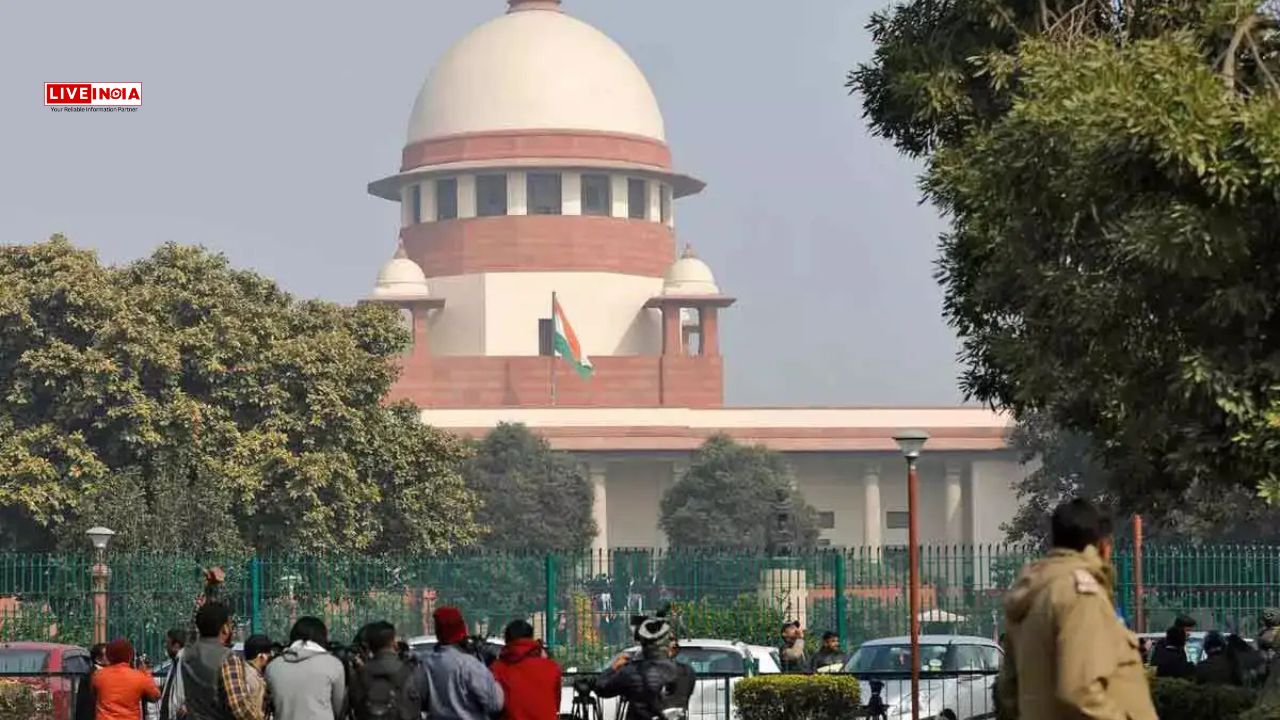
Waqf Act: Supreme Court Flags 3 Major Issues in First Judicial Review

The Supreme Court, while hearing over 70 petitions against the Waqf Amendment, identified key concerns regarding property rights, board composition, and administrative authority under the revised law.

🗓️ April 17, 2025 | During a landmark hearing on the newly amended Waqf Act, the Supreme Court of India, led by Chief Justice Sanjiv Khanna, raised three major concerns that may influence the court’s future rulings or interim orders. The Waqf Act is being challenged for allegedly violating Articles 25 and 26 of the Constitution that safeguard religious freedoms.

Also Read: Waqf Act Hearing: Supreme Court Flags ‘Genuine Concern’ Over Waqf by User; CJI Says Article 26 Is Secular


⚖️ 3 Key Concerns Raised by the Supreme Court


1️⃣ Status of ‘Waqf by User’ Properties

  • Issue: The amended Act allows the de-notification of properties previously declared as Waqf by courts.
  • SC Observation: “Properties declared as Waqf by courts, whether ‘Waqf by user’ or by declaration, must not be de-notified or treated as non-Waqf properties.“
  • Implication: Aimed at protecting judicial sanctity and preventing retrospective loss of Waqf status for properties with prior court recognition.

Also Read: NHRC Sends Team to Murshidabad After Deadly Protests Over Waqf Act


2️⃣ Collector’s Power to Block Waqf Status During Investigation

  • Issue: Under the amended law, properties under investigation by a district collector cannot be considered Waqf until a final decision.
  • SC Observation: “Is it fair that even without a decision, Waqf status is frozen during inquiry? The proviso should not be given effect to.“
  • Interim Guidance: Collectors can continue inquiries, but the provisional freeze won’t apply unless the court modifies it upon request.

3️⃣ Inclusion of Non-Muslims in Waqf Boards and Central Council

  • Issue: The current composition allows non-Muslim members on Waqf governance bodies.
  • SC Observation: “Do you allow Muslims on Hindu endowment boards? Be honest.” “Ex-officio members may be of any faith, but nominated members must be Muslims.“
  • Rationale: Ensuring community representation and religious autonomy in Waqf administration.

⏳ What’s Next?

The bench has not yet issued formal orders, but indicated that it may stay specific provisions. The Centre and states have been asked to respond before the next hearing.


📌 Tags:

Waqf Act 2025, Supreme Court hearing, Waqf property dispute, Waqf amendment bill, Chief Justice Sanjiv Khanna, religious freedom, Article 25, Article 26, Waqf board controversy, Waqf Council members

News Desk

Recent Posts

Aryan Khan Secures No. 2 Spot on IMDb’s Most Popular Indian Directors List

Just over two months after the premiere of his directorial debut, the Netflix series The…

6 hours ago

Ram Gopal Varma Defends Comments on Actresses, Calls Them “Praise, Not Objectification”

Filmmaker Ram Gopal Varma (RGV) has once again stirred controversy by defending his descriptive comments…

7 hours ago

Kim Kardashian Reclaims Narrative, Confronts Robbers “Dripping in Diamonds”

Nine years after her terrifying 2016 Paris robbery, Kim Kardashian made a powerful statement of…

8 hours ago

Aishwarya Rai Bachchan: Motherhood and Conviction Guide Career at Red Sea Film Festival

Bollywood icon Aishwarya Rai Bachchan captivated the audience at the Red Sea Film Festival 2025…

9 hours ago

Which One is better for you amid current toxic air pollution levels: A1 or A2 milk?

Amid concerns over air pollution stressing the body, the choice of dairy milk can play…

9 hours ago

How IndiGo crisis sent nationwide airports into meltdown

India's largest airline, IndiGo, is facing an unprecedented operational crisis, with over 1,000 flights cancelled…

9 hours ago