
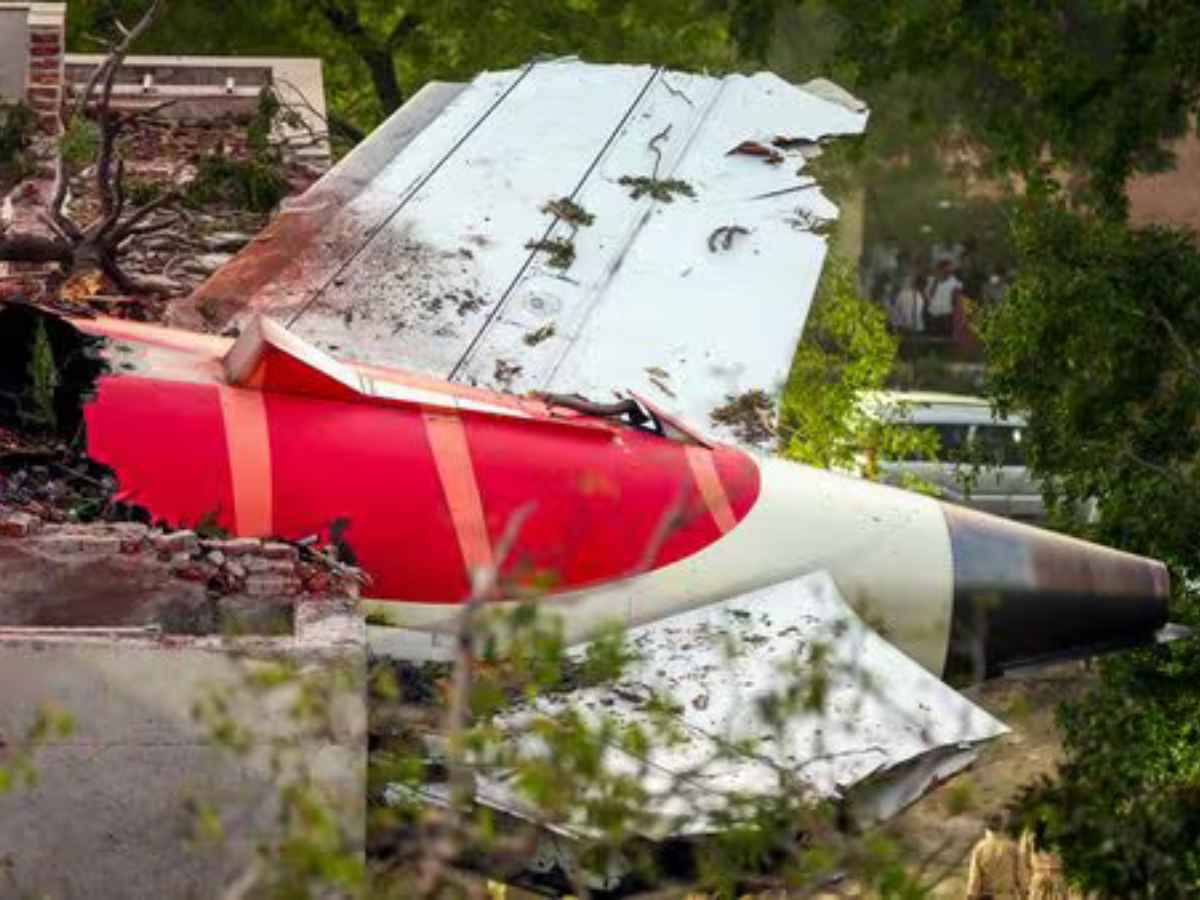


June 13, 2025: In the aftermath of the tragic crash of Air India Flight AI 171, early findings from the Directorate General of Civil Aviation’s (DGCA) preliminary probe have ruled out some of the most commonly suspected causes in aviation disasters.
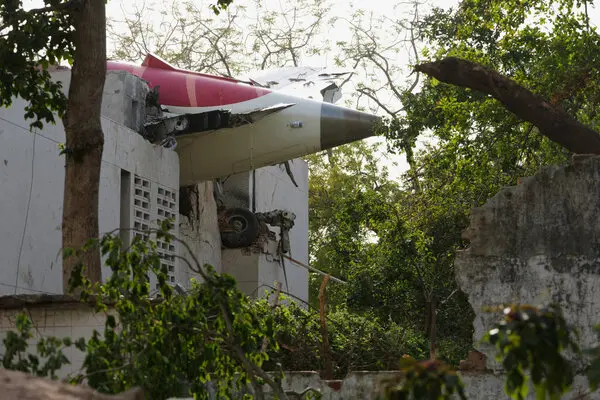
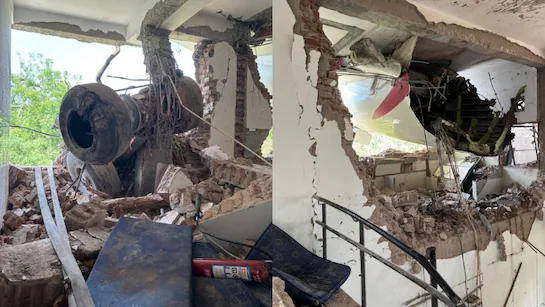
The flight, a Boeing 787 Dreamliner, was en route from Ahmedabad to London when it crashed shortly after takeoff near Ahmedabad airport on Thursday, claiming the lives of 241 of the 242 people on board, and causing multiple casualties on the ground after it struck a medical college hostel mess.
Key Findings from Initial Probe
The DGCA’s initial assessment, accessed by CNN-News18 and led by the Director of Security, highlighted the following:
- No evidence of bird strike: Investigators found no bird carcasses or remains near the crash site, effectively ruling out bird ingestion into the engines.
- Overloading dismissed: Despite the aircraft carrying 242 passengers, some seats were empty and load distribution was within normal limits.
- Pilot error unlikely: The actions of the cockpit crew before the crash showed no deviation from standard operating procedures, indicating minimal likelihood of pilot error.
- Engine failure improbable: The simultaneous failure of both engines—a rare and unlikely event—has also been ruled out at this stage.
These findings significantly narrow the scope of potential causes as the investigation continues.
A First in Aviation History
This marks the first-ever crash involving a Boeing 787 Dreamliner, despite the model having been in global service for over 12 years, with approximately 1,200 units operating worldwide. The crash raises serious questions about what could have caused a catastrophic failure in one of the industry’s most reliable aircraft models.
Survivor & Ground Casualties
Prime Minister Narendra Modi flew into Ahmedabad in the early hours of Friday and visited both the crash site and the civil hospital, where he met Ramesh Vishvakumar, the lone survivor of the crash, as well as several others injured on the ground.
Vishvakumar’s survival has stunned investigators and medical professionals, as he was reportedly seated in the rear section of the aircraft — the portion that took the least direct impact.
Ongoing Investigation
The crash is now the subject of a joint investigation by:
- Directorate General of Civil Aviation (DGCA)
- Aircraft Accident Investigation Bureau (AAIB)
- National Transportation Safety Board (NTSB) (USA)
- Boeing, the aircraft manufacturer
While several possibilities have been ruled out, officials emphasize that final conclusions will be drawn only after a full technical and forensic examination of the aircraft debris, black box recordings, flight data, and air traffic control logs.
A Nation in Mourning
As rescue and recovery efforts continue, tributes pour in from across India and the global aviation community. This tragedy has sparked renewed discussions about aircraft safety and emergency preparedness, especially concerning next-generation airliners like the Boeing 787.
Further updates are expected as the full investigation progresses in the coming weeks.