
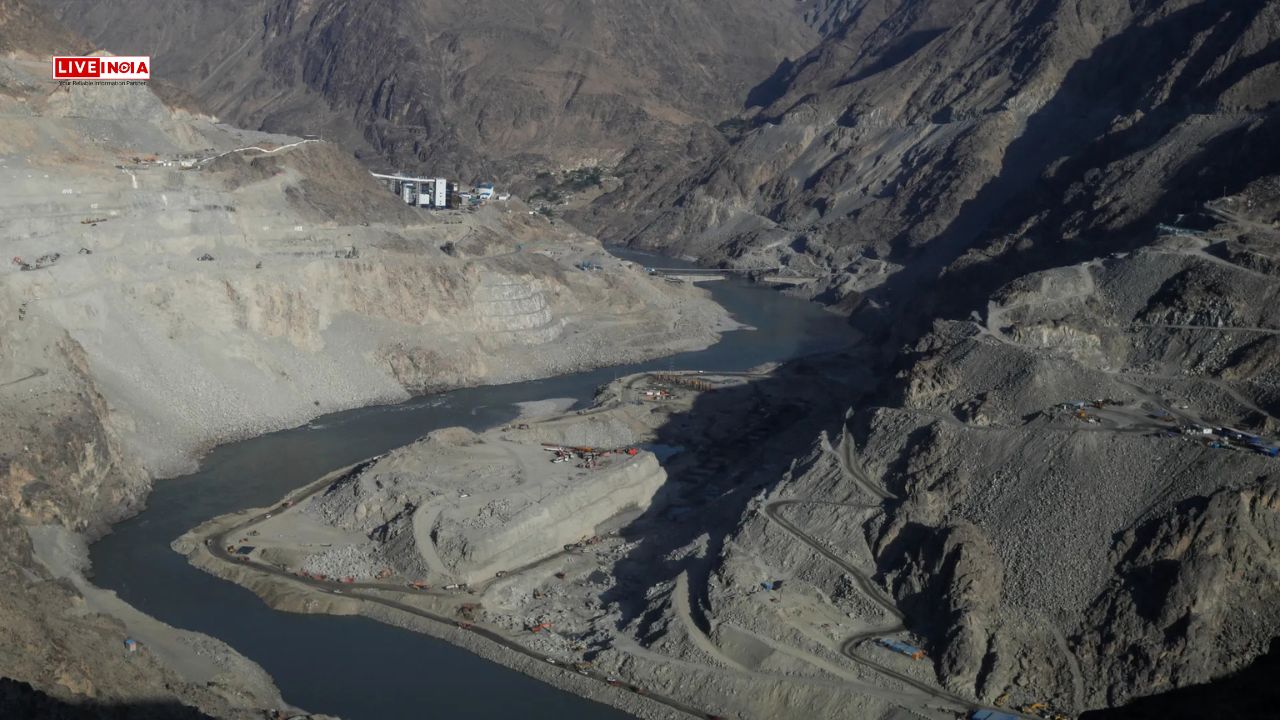


India Pauses Decades-Old Water Sharing Pact In Wake Of Pahalgam Terror Attack That Killed 26
April 24, 2025: In a stern move following the deadly terror attack in Jammu & Kashmir’s Pahalgam that killed 26 civilians, India has suspended the Indus Waters Treaty — a landmark water-sharing agreement between India and Pakistan in place since 1960.
Here’s what the treaty is all about, and why this suspension marks a significant escalation in India’s diplomatic response.
🛕 What Is The Indus Waters Treaty?
- Signed On: September 19, 1960
- Signatories: India, Pakistan, and the World Bank (as a mediator and guarantor)
- Purpose: To allocate the use of six cross-border rivers originating from the Himalayas and flowing into Pakistan.
🌊 River Water Allocation
Also Read: 3 Pakistanis, 2 Kashmiris Identified in Pahalgam Attack; NIA Probe Intensifies
- Eastern Rivers – Sutlej, Beas, Ravi:
Allocated entirely to India (approx. 33 million acre feet annually). India has unrestricted usage rights, including for agriculture, industry, and storage. - Western Rivers – Indus, Jhelum, Chenab:
Assigned largely to Pakistan (approx. 135 million acre feet annually). India is allowed limited use, primarily for hydroelectric generation via run-of-the-river projects, but must adhere to strict design and operational criteria.
Also Read: “Catch of the IPL?”: Ramiz Raja’s Slip of Tongue at PSL Ceremony Sparks Fan Outrage
🧾 Treaty Provisions
- The treaty outlines:
- A Permanent Indus Commission with representatives from both nations to resolve disputes.
- Annual meetings alternating between India and Pakistan.
- A mechanism for raising objections, particularly concerning hydroelectric project designs.
- Amendment possibilities only through mutual ratified treaties.
🏛️ Historical Significance
The treaty was brokered after nine years of negotiations and was signed by:
- Jawaharlal Nehru (then Indian Prime Minister)
- Field Marshal Mohammad Ayub Khan (then President of Pakistan)
It has long been cited as an example of successful water diplomacy despite wars and border tensions.
❌ Why India Suspended It
The move comes after the Pahalgam terror attack, which killed 26 civilians, including a Navy officer. Intelligence reports suggested cross-border terror involvement. The Indian government views the treaty’s suspension as a symbolic and strategic measure to apply pressure on Pakistan diplomatically and economically.
This decision is part of a broader set of punitive actions:
- Revocation of all visas issued to Pakistani nationals.
- Closure of the Atari land border.
- Withdrawal of staff from India’s High Commission in Islamabad.
- Ban on issuing SAARC visas to Pakistani citizens.
📝 Tags:
Indus Waters Treaty, India Pakistan Water Dispute, Pahalgam Terror Attack, India Suspends Treaty, Indus River System, Indo-Pak Relations, Hydroelectric Projects India, Sutlej Ravi Beas Chenab Indus Jhelum